

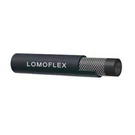
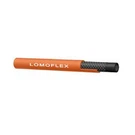


Hey there! As an air hose assembly supplier, I often get asked, "How long does an air hose assembly last?" Well, it's not a one - size - fits - all answer. There are several factors that can influence the lifespan of an air hose assembly. Let's dive into them.
Material Quality
The first and probably the most crucial factor is the quality of the materials used in the air hose assembly. High - quality hoses are typically made from durable materials like rubber, polyurethane, or PVC.
Rubber hoses are known for their flexibility and good resistance to abrasion and kinking. They can last a long time, usually around 5 - 10 years, depending on how they're used. If they're exposed to harsh chemicals or extreme temperatures, though, their lifespan can be significantly reduced.
Polyurethane hoses, on the other hand, are lightweight and have excellent resistance to chemicals and abrasion. They're also very flexible. A good - quality polyurethane air hose assembly can last anywhere from 3 - 8 years.
PVC hoses are the most budget - friendly option. They're lightweight but not as durable as rubber or polyurethane. PVC hoses usually last about 1 - 3 years. If you're looking for a long - lasting Air Hose Assembly, investing in a high - quality material is a must.
Usage Frequency
How often you use the air hose assembly plays a big role in its lifespan. If you're using it constantly, say in a busy industrial setting, the wear and tear will be much higher compared to occasional use in a home workshop.
In an industrial environment where the air hose is used for several hours a day, every day, it might need to be replaced every 2 - 5 years. The constant bending, stretching, and exposure to high - pressure air can take a toll on the hose.
For home users who use the air hose assembly once in a while for tasks like inflating tires or powering small air tools, the hose can last much longer, maybe 5 - 10 years or even more.
Operating Conditions
The conditions under which the air hose assembly operates are also important. Extreme temperatures can have a negative effect on the hose material. In very cold temperatures, rubber hoses can become brittle and crack, while in high - heat environments, PVC hoses can soften and lose their shape.

If the air hose is exposed to sunlight, ozone, or chemicals, it can degrade faster. For example, in a chemical plant where the air hose is in contact with various chemicals on a regular basis, it might need to be replaced every 1 - 2 years.
On the other hand, if the air hose is used in a clean, temperature - controlled environment, it can last much closer to its maximum lifespan.
Proper Maintenance
Proper maintenance can significantly extend the life of an air hose assembly. Regularly inspecting the hose for signs of wear, such as cracks, leaks, or bulges, is essential. If you notice any issues early on, you can take steps to fix them before they become major problems.
Cleaning the air hose regularly to remove dirt and debris can also prevent abrasion and damage. Storing the hose properly when not in use is another important aspect. Coiling the hose neatly and keeping it in a cool, dry place can help preserve its integrity.
If you follow a good maintenance routine, you can add a few extra years to the lifespan of your air hose assembly, regardless of the material or usage frequency.
Installation and Fittings
The way the air hose assembly is installed and the quality of the fittings used can also affect its lifespan. If the hose is installed incorrectly, it can cause kinks or stress points, which can lead to premature failure.
Using high - quality fittings that are properly sized and tightened is crucial. Loose fittings can cause air leaks, which not only waste energy but can also put extra stress on the hose. Over time, this can lead to damage and a shorter lifespan.
Signs That It's Time to Replace
Even if you take good care of your air hose assembly, there will come a time when it needs to be replaced. Some signs that it's time for a new hose include visible cracks, leaks, bulges, or a significant loss of flexibility. If you notice that the air pressure is inconsistent or that the air tools are not performing as well as they used to, it could be a sign that the hose is failing.
Our Offer as a Supplier
As an air hose assembly supplier, we understand the importance of providing high - quality products that last. We offer a wide range of air hose assemblies made from top - notch materials, including rubber, polyurethane, and PVC. Our products are designed to withstand various operating conditions and usage frequencies.
We also provide detailed installation and maintenance guides to help you get the most out of your air hose assembly. If you're not sure which type of hose is right for your needs, our team of experts is always here to help you make the best choice.
If you're in the market for a new air hose assembly or just want to learn more about our products, don't hesitate to reach out. Whether you're an industrial user or a home hobbyist, we have the perfect solution for you. Contact us today to start a conversation about your air hose needs, and let's work together to find the best air hose assembly for your specific requirements.
References
- "Industrial Hoses: Selection, Installation, and Maintenance" by Hose Manufacturers Institute
- "Handbook of Polymer Science and Technology" for material properties of rubber, polyurethane, and PVC