

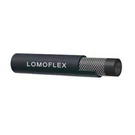
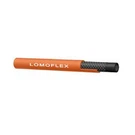


Repairing a leaking rubber air hose is a practical skill that can save you time and money. As a supplier of rubber air hoses, I understand the importance of maintaining these essential tools. In this blog post, I'll share a step-by-step guide on how to repair a leaking rubber air hose, along with some tips to prevent future leaks.
Step 1: Identify the Leak
The first step in repairing a leaking rubber air hose is to locate the source of the leak. This can be done by pressurizing the hose and listening for the hissing sound of escaping air. You can also apply a soapy water solution to the hose and look for bubbles, which indicate the presence of a leak. Once you've identified the leak, mark the area with a piece of tape or a marker.
Step 2: Gather the Necessary Tools and Materials
Before you begin the repair process, you'll need to gather the following tools and materials:


- A sharp utility knife
- A pair of pliers
- A hose clamp
- A patch or a replacement section of hose
- A tube of rubber cement or adhesive
Step 3: Prepare the Hose
Once you've identified the leak and gathered the necessary tools and materials, it's time to prepare the hose for repair. Start by cutting out the damaged section of the hose using a sharp utility knife. Make sure to cut the hose at a 45-degree angle to ensure a clean and secure connection.
Step 4: Apply the Patch or Replacement Section
If the leak is small, you can use a patch to repair the hose. Cut a patch from a piece of rubber or a spare section of hose that is slightly larger than the damaged area. Apply a thin layer of rubber cement or adhesive to the patch and the area around the leak. Press the patch firmly onto the hose and hold it in place for a few minutes to allow the adhesive to dry.
If the leak is large or the hose is severely damaged, you may need to replace the entire section of the hose. Cut a replacement section of hose that is the same length and diameter as the damaged section. Apply a thin layer of rubber cement or adhesive to the ends of the replacement section and the remaining sections of the hose. Insert the replacement section into the hose and secure it with a hose clamp.
Step 5: Test the Repair
Once you've applied the patch or replacement section, it's time to test the repair. Pressurize the hose and check for any signs of leaks. If you notice any leaks, repeat the repair process until the hose is leak-free.
Tips to Prevent Future Leaks
- Inspect the hose regularly: Regularly inspect your rubber air hose for signs of wear and tear, such as cracks, holes, or bulges. Replace the hose if you notice any damage.
- Use the correct hose for the application: Make sure you're using the correct type of rubber air hose for the application. Different hoses are designed for different pressures, temperatures, and chemicals.
- Store the hose properly: When not in use, store the hose in a cool, dry place away from direct sunlight and heat. Avoid storing the hose in a kinked or twisted position, as this can cause damage to the hose.
- Follow the manufacturer's instructions: Always follow the manufacturer's instructions when using and maintaining your rubber air hose. This will help ensure the longevity and performance of the hose.
As a supplier of rubber air hoses, we offer a wide range of high-quality hoses to meet your needs. Whether you're looking for a Lpg Hose, a Rubber Air Hose, or a Fuel Oil Hose, we have the right product for you. If you're interested in learning more about our products or would like to place an order, please contact us. We're here to help you find the best solution for your needs.
References
- "How to Repair a Leaking Air Hose." Family Handyman, https://www.familyhandyman.com/article/how-to-repair-a-leaking-air-hose/.
- "Rubber Hose Repair: A Comprehensive Guide." The Spruce, https://www.thespruce.com/rubber-hose-repair-4169630.
- "Tips for Maintaining Your Rubber Air Hose." Industrial Hose Supply, https://www.industrialhosesupply.com/tips-for-maintaining-your-rubber-air-hose/.