

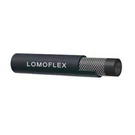


As a supplier of SAE100R1AT hoses, I often receive inquiries from customers about the compatibility of this product in various systems. One common question is whether SAE100R1AT can be used in a pneumatic system. In this blog post, I will delve into this topic, providing a comprehensive analysis based on the characteristics of SAE100R1AT and the requirements of pneumatic systems.
Understanding SAE100R1AT
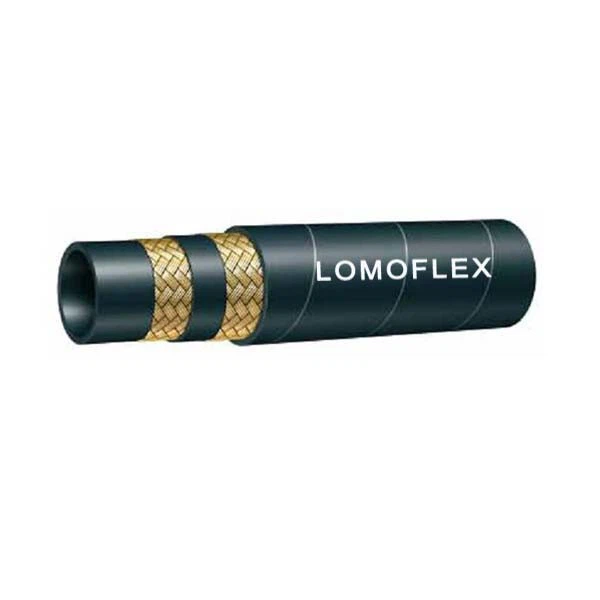
SAE100R1AT is a type of hydraulic hose that is widely used in hydraulic systems. It is designed to withstand high pressures and is typically used for conveying hydraulic fluids. The hose is constructed with an inner tube, reinforcement layers, and an outer cover. The inner tube is usually made of synthetic rubber, which provides excellent resistance to hydraulic fluids. The reinforcement layers, often made of high - strength steel wire braids, give the hose its strength and pressure - bearing capacity. The outer cover is also made of synthetic rubber, protecting the hose from environmental factors such as abrasion, weather, and chemicals.

Requirements of Pneumatic Systems
Pneumatic systems use compressed air to transmit power and perform work. These systems have specific requirements for the components used, including hoses. Some of the key requirements for hoses in pneumatic systems are as follows:
- Pressure Rating: Pneumatic systems typically operate at lower pressures compared to hydraulic systems. However, the hoses still need to be able to withstand the maximum pressure of the system without bursting or leaking.
- Air Permeability: The hose should have low air permeability to prevent air leakage, which can lead to inefficiencies in the system.
- Flexibility: Pneumatic systems often require hoses to be flexible to allow for easy installation and movement of components.
- Chemical Resistance: The hose should be resistant to the chemicals present in the compressed air, such as oil and moisture.
Can SAE100R1AT be Used in a Pneumatic System?
Advantages of Using SAE100R1AT in Pneumatic Systems
- Strength and Durability: SAE100R1AT hoses are known for their high strength and durability. They can withstand relatively high pressures, which means they can handle the pressures typically found in pneumatic systems. The steel wire braid reinforcement provides excellent resistance to bursting, ensuring the safety of the system.
- Chemical Resistance: The synthetic rubber inner tube and outer cover of SAE100R1AT hoses offer good chemical resistance. This is beneficial in pneumatic systems where the compressed air may contain oil, moisture, or other chemicals.
Limitations of Using SAE100R1AT in Pneumatic Systems
- Air Permeability: One of the main concerns with using SAE100R1AT in pneumatic systems is its air permeability. Since SAE100R1AT is designed for hydraulic fluids, it may not have the same low air permeability as hoses specifically designed for pneumatic systems. Air leakage can lead to reduced system efficiency and increased energy consumption.
- Cost: SAE100R1AT hoses are generally more expensive than hoses specifically designed for pneumatic systems. This can be a significant factor for cost - sensitive applications.
Alternatives to SAE100R1AT in Pneumatic Systems
If SAE100R1AT is not the best choice for your pneumatic system, there are several alternatives available. For example, Hydraulic Rubber Hose Sae100 R17 and Din En853 1sn are hoses that may be more suitable for certain pneumatic applications. These hoses are designed to meet the specific requirements of pneumatic systems, such as low air permeability and appropriate pressure ratings.
Another option is Sae100 R2AT, which has different characteristics compared to SAE100R1AT and may be a better fit for some pneumatic systems.
Considerations for Using SAE100R1AT in Pneumatic Systems
If you decide to use SAE100R1AT in a pneumatic system, there are several considerations to keep in mind:
- Pressure Rating: Ensure that the pressure rating of the SAE100R1AT hose is suitable for the maximum pressure of your pneumatic system.
- Air Leakage: Monitor the system for air leakage regularly. If significant air leakage is detected, consider using additional sealing measures or replacing the hose with a more suitable one.
- System Compatibility: Check the compatibility of the SAE100R1AT hose with other components in the pneumatic system, such as fittings and valves.
Conclusion
In conclusion, while SAE100R1AT can potentially be used in a pneumatic system, it is not the ideal choice in all cases. Its high strength and chemical resistance are advantages, but its relatively high air permeability and cost may be drawbacks. Before using SAE100R1AT in a pneumatic system, it is important to carefully evaluate the specific requirements of your system and consider alternative hoses that are better suited for pneumatic applications.
If you are interested in learning more about SAE100R1AT or other hoses for your pneumatic or hydraulic systems, feel free to contact us for further discussion and procurement. We are here to provide you with the best solutions for your needs.
References
- Industry standards for hydraulic and pneumatic hoses
- Technical literature on SAE100R1AT hoses
- Manufacturer's specifications for SAE100R1AT and related hoses