

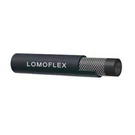
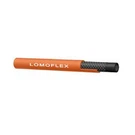


As a supplier of twin welding hoses, I often get asked if twin welding hoses can be used for copper welding. It's a valid question, and the answer isn't as straightforward as you might think. In this blog post, I'll break down the ins and outs of using twin welding hoses for copper welding, so you can make an informed decision for your projects.
Understanding Twin Welding Hoses
First off, let's talk about what twin welding hoses are. Twin welding hoses are essentially two hoses that are bundled together. They're commonly used in welding applications because they allow for the simultaneous delivery of two different gases - usually oxygen and acetylene. This setup is super convenient as it streamlines the welding process and reduces the clutter of having two separate hoses.
You can check out our Twin Welding Hose for more details on the specific features and specifications.
Copper Welding Basics
Copper welding is a specialized process that requires specific conditions and equipment. Copper has a high thermal conductivity, which means it dissipates heat quickly. This can make it challenging to weld, as you need to maintain a consistent heat source to ensure a proper weld.
There are a few different methods of copper welding, including TIG (Tungsten Inert Gas) welding, MIG (Metal Inert Gas) welding, and oxy - acetylene welding. Each method has its own set of requirements and advantages.
Can Twin Welding Hoses Be Used for Copper Welding?
The short answer is yes, twin welding hoses can be used for copper welding, especially when using the oxy - acetylene welding method. Oxy - acetylene welding is a popular choice for copper welding because it provides a high - temperature flame that can effectively melt copper.
Twin welding hoses are ideal for this process because they can deliver both oxygen and acetylene gases to the welding torch. The oxygen helps to support the combustion of acetylene, creating a hot flame that can melt the copper and the filler material.
However, there are a few things to keep in mind when using twin welding hoses for copper welding.
Compatibility
Not all twin welding hoses are created equal. You need to make sure that the hoses you're using are compatible with the gases you're using. Oxygen and acetylene are highly reactive gases, so the hoses need to be made from materials that can withstand the chemical reactions and high pressures.
Pressure Ratings
Copper welding requires a specific pressure of gases to ensure a proper weld. You need to make sure that the twin welding hoses you're using have the appropriate pressure ratings. Using hoses with insufficient pressure ratings can lead to leaks or even explosions, which is obviously a huge safety risk.
Length and Diameter
The length and diameter of the twin welding hoses can also affect the performance of the welding process. Longer hoses can cause a drop in pressure, which can result in a weaker flame. On the other hand, hoses with a smaller diameter may not be able to deliver enough gas to the torch, also affecting the quality of the weld.
Advantages of Using Twin Welding Hoses for Copper Welding
There are several advantages to using twin welding hoses for copper welding.
Convenience
As mentioned earlier, twin welding hoses are convenient because they combine two hoses into one. This reduces the amount of equipment you need to manage and makes the welding process more efficient.
Cost - Effective
Using twin welding hoses can be more cost - effective in the long run. Instead of buying two separate hoses, you can purchase one twin hose, which can save you money.
Safety
Twin welding hoses are designed to be safe. They're made from materials that can withstand the high pressures and chemical reactions associated with welding gases. This reduces the risk of leaks and other safety hazards.
Other Considerations
While twin welding hoses are suitable for copper welding, there are other factors to consider.
Welding Torch
The type of welding torch you use is also important. Make sure that the torch is compatible with the twin welding hoses and the gases you're using.

Filler Material
Choosing the right filler material is crucial for copper welding. The filler material needs to have similar properties to the copper being welded to ensure a strong and durable weld.
Skill Level
Copper welding requires a certain level of skill and experience. If you're new to welding, it's a good idea to practice on scrap pieces of copper before attempting a real project.
Conclusion
In conclusion, twin welding hoses can definitely be used for copper welding, especially when using the oxy - acetylene welding method. They offer convenience, cost - effectiveness, and safety. However, it's important to choose the right hoses, ensure compatibility with the gases, and pay attention to pressure ratings, length, and diameter.
If you're in the market for twin welding hoses for your copper welding projects, feel free to reach out. We're here to help you find the right hoses for your needs. And if you're interested in other types of hoses, we also offer Fuel Oil Hose and Rubber Water Hose.
If you have any questions or would like to discuss your specific requirements, don't hesitate to contact us. We're always happy to assist you with your welding hose needs.
References
- Welding Handbook, American Welding Society
- Copper Welding Guide, Copper Development Association