

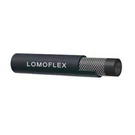
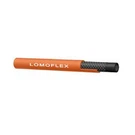


In the realm of fluid management, suction and discharge water hoses play a pivotal role in a wide range of applications. As a supplier of suction and discharge water hoses, I have witnessed firsthand the numerous advantages these hoses offer. In this blog post, I will delve into the key benefits of using suction and discharge water hoses, highlighting their importance in various industries.
1. Versatility in Applications
One of the most significant advantages of suction and discharge water hoses is their versatility. These hoses are designed to handle a diverse range of fluids, primarily water, but they can also be used for other liquids such as mild chemicals and slurries. They are commonly employed in agricultural, industrial, construction, and municipal settings.
In agriculture, suction and discharge water hoses are essential for irrigation systems. They can draw water from wells, ponds, or rivers and distribute it across fields, ensuring that crops receive an adequate supply of water. This helps in maintaining healthy plant growth and increasing crop yields.
In the industrial sector, these hoses are used for various purposes, including cooling systems, water transfer between tanks, and dewatering operations. They can withstand high pressures and temperatures, making them suitable for demanding industrial environments. For example, in manufacturing plants, suction and discharge water hoses are used to circulate cooling water through machinery, preventing overheating and ensuring smooth operation.
In construction, these hoses are used for dewatering excavations, transferring water from one location to another, and supplying water for concrete mixing. They are also used in firefighting operations, where they can quickly deliver large volumes of water to extinguish fires.
Municipalities use suction and discharge water hoses for a variety of tasks, such as flood control, sewage pumping, and water treatment. They are an integral part of the infrastructure that ensures the proper management of water resources in cities and towns.
2. Efficient Fluid Transfer
Suction and discharge water hoses are designed to provide efficient fluid transfer. They have smooth inner linings that minimize friction, allowing water to flow freely through the hose. This reduces energy consumption and increases the overall efficiency of the fluid transfer system.
The hoses are also available in a variety of diameters and lengths, allowing users to choose the appropriate hose for their specific needs. Larger diameter hoses can handle higher flow rates, while longer hoses can reach greater distances. This flexibility ensures that the hoses can be customized to meet the requirements of different applications.
In addition, suction and discharge water hoses are equipped with fittings that provide a secure connection between the hose and the equipment. These fittings are designed to prevent leaks and ensure a tight seal, which is essential for efficient fluid transfer.
3. Durability and Longevity
Another advantage of suction and discharge water hoses is their durability and longevity. These hoses are made from high-quality materials that are resistant to abrasion, corrosion, and weathering. They can withstand harsh environmental conditions, including extreme temperatures, UV radiation, and chemical exposure.
The outer cover of the hose is typically made from synthetic rubber or thermoplastic materials, which provide excellent protection against physical damage. The inner lining is also made from a material that is compatible with the fluid being transported, ensuring that the hose remains in good condition over time.
In addition, suction and discharge water hoses are designed to withstand high pressures. They are tested to ensure that they can handle the maximum pressure requirements of the application, providing a reliable and safe fluid transfer solution.
4. Easy Installation and Maintenance
Suction and discharge water hoses are relatively easy to install and maintain. They are lightweight and flexible, making them easy to handle and maneuver. The hoses can be easily connected to the equipment using standard fittings, and they do not require any special tools or equipment for installation.
Maintenance of suction and discharge water hoses is also straightforward. Regular inspection of the hose for any signs of damage, such as cracks, leaks, or wear, is recommended. If any damage is detected, the hose should be repaired or replaced immediately to prevent further problems.


In addition, the hoses should be cleaned regularly to prevent the buildup of dirt, debris, and other contaminants. This can be done by flushing the hose with clean water or using a mild detergent.
5. Cost-Effectiveness
Suction and discharge water hoses are a cost-effective solution for fluid transfer. They are relatively inexpensive compared to other types of hoses, and they offer a long service life. This means that users can save money in the long run by investing in high-quality suction and discharge water hoses.
In addition, the efficiency of the hoses can also result in cost savings. By reducing energy consumption and minimizing downtime due to leaks or other problems, suction and discharge water hoses can help to lower operating costs.
6. Safety
Suction and discharge water hoses are designed with safety in mind. They are made from materials that are non-toxic and comply with relevant safety standards. This ensures that the hoses are safe to use for transporting water and other fluids.
In addition, the hoses are equipped with fittings that provide a secure connection between the hose and the equipment. This helps to prevent leaks and spills, which can be a safety hazard.
Conclusion
In conclusion, suction and discharge water hoses offer numerous advantages in a wide range of applications. Their versatility, efficiency, durability, ease of installation and maintenance, cost-effectiveness, and safety make them an ideal choice for fluid transfer. As a supplier of Suction and Discharge Water Hose, I am committed to providing high-quality hoses that meet the needs of our customers. If you are in the market for suction and discharge water hoses, I encourage you to contact us to discuss your requirements and explore how our products can benefit your operations. We also offer Suction and Discharge Oil Hose for applications involving oil transfer.
References
- "Industrial Hoses: A Guide to Selection and Application." Parker Hannifin Corporation.
- "Suction and Discharge Hoses: Technical Specifications and Performance." Gates Corporation.