

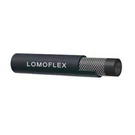
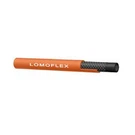


In the realm of industrial machinery and equipment, hydraulic systems play an indispensable role. At the heart of these systems are hydraulic hoses, which are crucial for transferring hydraulic fluid and ensuring the smooth operation of various hydraulic components. As a dedicated special hydraulic hose supplier, I am excited to delve into the different layers of a special hydraulic hose, exploring their functions, materials, and significance in maintaining the integrity and performance of hydraulic systems.
The Inner Tube: The Foundation of Hydraulic Hoses
The inner tube is the innermost layer of a hydraulic hose and serves as the primary conduit for the hydraulic fluid. It is in direct contact with the fluid and must be able to withstand the pressure, temperature, and chemical properties of the fluid. The choice of material for the inner tube is critical, as it determines the hose's compatibility with different types of hydraulic fluids, such as mineral oil, synthetic oil, water-glycol, and phosphate ester.


Common materials used for the inner tube include nitrile rubber (NBR), fluorocarbon rubber (FKM), and thermoplastic materials. Nitrile rubber is widely used due to its excellent resistance to mineral oil-based hydraulic fluids, good flexibility, and relatively low cost. Fluorocarbon rubber, on the other hand, offers superior resistance to high temperatures, chemicals, and ozone, making it suitable for applications in harsh environments. Thermoplastic materials, such as polyamide and polyurethane, provide high strength, abrasion resistance, and flexibility, and are often used in applications where lightweight and compact hoses are required.
The Reinforcement Layer: Providing Strength and Pressure Resistance
The reinforcement layer is the next layer of the hydraulic hose and is responsible for providing strength and pressure resistance. It prevents the hose from bursting under high pressure and ensures the safe and reliable operation of the hydraulic system. The reinforcement layer is typically made of one or more layers of high-strength materials, such as steel wire, synthetic fiber, or a combination of both.
Steel wire reinforcement is the most common type of reinforcement used in hydraulic hoses. It offers high strength, excellent pressure resistance, and good flexibility. Steel wire can be braided or spiraled around the inner tube, depending on the application requirements. Braided steel wire reinforcement provides better flexibility and is suitable for applications where the hose needs to bend or flex frequently. Spiraled steel wire reinforcement, on the other hand, offers higher pressure resistance and is often used in high-pressure applications.
Synthetic fiber reinforcement, such as aramid or polyester, is also used in hydraulic hoses. Synthetic fibers offer high strength, lightweight, and good resistance to abrasion and chemicals. They are often used in applications where weight reduction and flexibility are important, such as in aerospace and automotive industries.
The Outer Cover: Protecting the Hose from External Damage
The outer cover is the outermost layer of the hydraulic hose and serves as a protective barrier against external damage, such as abrasion, cuts, chemicals, and UV radiation. It also provides additional strength and flexibility to the hose. The choice of material for the outer cover depends on the application environment and the specific requirements of the hydraulic system.
Common materials used for the outer cover include rubber, thermoplastic, and polyurethane. Rubber outer covers are widely used due to their excellent resistance to abrasion, weathering, and chemicals. They are also flexible and can withstand a wide range of temperatures. Thermoplastic outer covers offer high strength, abrasion resistance, and flexibility, and are often used in applications where lightweight and compact hoses are required. Polyurethane outer covers provide excellent resistance to abrasion, cuts, and chemicals, and are suitable for applications in harsh environments.
Special Hydraulic Hoses: Meeting Specific Application Requirements
In addition to the standard hydraulic hoses, there are also special hydraulic hoses designed to meet specific application requirements. These hoses may have unique features, such as high temperature resistance, fire resistance, or low permeability. For example, the Sae100 R8 Thermoplastic Hose is a high-pressure thermoplastic hose that offers excellent resistance to abrasion, chemicals, and high temperatures. It is suitable for use in a wide range of applications, including construction, mining, and agriculture.
Another example is the Sae100 R7 Thermoplastic Hose, which is a low-pressure thermoplastic hose that offers excellent flexibility and kink resistance. It is commonly used in applications where space is limited and the hose needs to be routed around obstacles.
Importance of Choosing the Right Hydraulic Hose
Choosing the right hydraulic hose is crucial for the safe and reliable operation of hydraulic systems. A poorly chosen hose can lead to leaks, failures, and even accidents, which can result in costly downtime and repairs. When selecting a hydraulic hose, it is important to consider the following factors:
- Application requirements: The hose must be able to withstand the pressure, temperature, and chemical properties of the hydraulic fluid, as well as the operating conditions of the system.
- Hose size and length: The hose size and length must be appropriate for the application to ensure proper flow and pressure.
- Reinforcement type and layer: The reinforcement type and layer must be selected based on the pressure requirements of the system.
- Outer cover material: The outer cover material must be able to protect the hose from external damage and environmental factors.
Conclusion
In conclusion, the different layers of a special hydraulic hose play a crucial role in ensuring the safe and reliable operation of hydraulic systems. The inner tube provides a conduit for the hydraulic fluid, the reinforcement layer provides strength and pressure resistance, and the outer cover protects the hose from external damage. By understanding the functions and materials of each layer, you can choose the right hydraulic hose for your specific application requirements.
As a special hydraulic hose supplier, we are committed to providing high-quality hoses that meet the highest standards of performance and reliability. If you have any questions or need assistance in selecting the right hydraulic hose for your application, please do not hesitate to contact us. We look forward to working with you to meet your hydraulic hose needs.
References
- Hydraulic Hose Handbook, Parker Hannifin Corporation
- Hydraulic Systems and Components, Eaton Corporation
- Fluid Power Technology, Society of Automotive Engineers (SAE)