




As a supplier of oxygen acetylene hoses, I understand the critical importance of protecting these hoses from chemical exposure. Oxygen acetylene hoses are essential components in welding and cutting operations, and their proper maintenance and protection can significantly extend their lifespan and ensure safe and efficient performance. In this blog post, I will share some practical tips on how to protect oxygen acetylene hoses from chemical exposure.
Understanding the Risks of Chemical Exposure
Oxygen acetylene hoses are often exposed to a variety of chemicals during welding and cutting operations. These chemicals can include solvents, acids, alkalis, and other corrosive substances. Exposure to these chemicals can cause damage to the hose material, leading to leaks, cracks, and other failures. In addition, some chemicals can react with the oxygen or acetylene in the hoses, creating a fire or explosion hazard.
Choosing the Right Hose Material
One of the most important steps in protecting oxygen acetylene hoses from chemical exposure is choosing the right hose material. Different hose materials have different levels of resistance to chemicals, so it is important to select a hose that is suitable for the specific chemicals that it will be exposed to. For example, rubber hoses are generally more resistant to chemicals than PVC hoses, but they may not be suitable for all applications.
When choosing a hose material, it is also important to consider the operating conditions of the hose. For example, if the hose will be exposed to high temperatures or pressures, it may need to be made of a more heat-resistant or pressure-resistant material. In addition, if the hose will be used in a harsh environment, such as a chemical plant or a mining operation, it may need to be made of a more durable and resistant material.
Proper Storage and Handling
Proper storage and handling of oxygen acetylene hoses is also essential for protecting them from chemical exposure. Hoses should be stored in a cool, dry place away from direct sunlight and sources of heat. They should also be stored away from chemicals and other corrosive substances.
When handling oxygen acetylene hoses, it is important to avoid dragging them across rough surfaces or sharp edges, as this can cause damage to the hose material. In addition, hoses should be coiled properly to prevent kinking and damage.
Regular Inspection and Maintenance
Regular inspection and maintenance of oxygen acetylene hoses is also important for protecting them from chemical exposure. Hoses should be inspected regularly for signs of damage, such as cracks, leaks, or abrasions. If any damage is found, the hose should be repaired or replaced immediately.

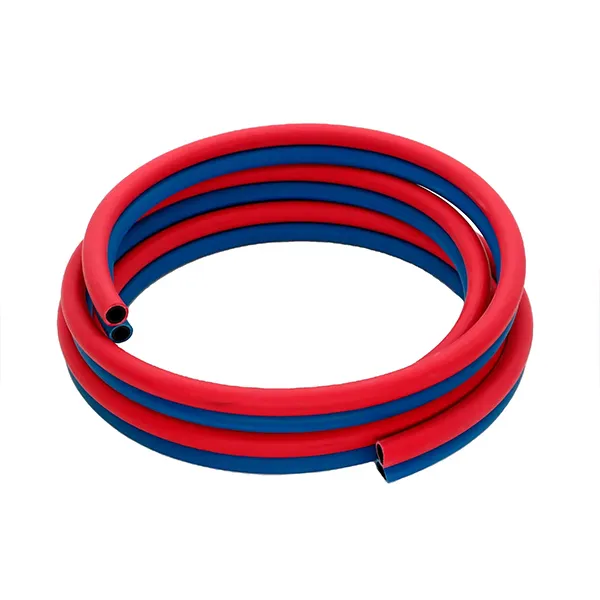
In addition, hoses should be cleaned regularly to remove any dirt, debris, or chemicals that may have accumulated on the surface. This can help to prevent the buildup of corrosive substances and extend the lifespan of the hose.
Using Protective Covers
Using protective covers is another effective way to protect oxygen acetylene hoses from chemical exposure. Protective covers can be made of a variety of materials, such as rubber, PVC, or nylon, and they can provide an additional layer of protection against chemicals, abrasions, and other types of damage.
When choosing a protective cover, it is important to select one that is compatible with the hose material and the chemicals that it will be exposed to. In addition, the protective cover should be easy to install and remove, and it should not interfere with the normal operation of the hose.
Training and Education
Finally, training and education are essential for ensuring that oxygen acetylene hoses are used and maintained properly. Operators should be trained on the proper use and handling of oxygen acetylene hoses, as well as the risks associated with chemical exposure. In addition, operators should be educated on the importance of regular inspection and maintenance of the hoses, and they should be provided with the necessary tools and equipment to perform these tasks.
Conclusion
Protecting oxygen acetylene hoses from chemical exposure is essential for ensuring their safe and efficient performance. By choosing the right hose material, storing and handling the hoses properly, inspecting and maintaining them regularly, using protective covers, and providing training and education to operators, you can significantly extend the lifespan of your oxygen acetylene hoses and reduce the risk of accidents and failures.
If you are in the market for high-quality oxygen acetylene hoses, I encourage you to visit our website at Oxygen Acetylene Hose to learn more about our products and services. We offer a wide range of oxygen acetylene hoses, as well as other industrial hoses, such as Twin Welding Hose and Rubber Air Hose. Our hoses are made of high-quality materials and are designed to meet the needs of a variety of applications.
If you have any questions or would like to discuss your specific requirements, please do not hesitate to contact us. We are always happy to help and look forward to working with you.
References
- American Society of Mechanical Engineers (ASME). (2019). Pressure Piping Code: B31.1 Power Piping.
- International Organization for Standardization (ISO). (2017). Rubber and plastics hoses and hose assemblies - Vocabulary.
- National Fire Protection Association (NFPA). (2018). Standard for the Installation of Oxygen-Fuel Gas Systems for Welding, Cutting, and Allied Processes.