

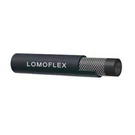
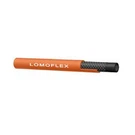


As a supplier of special hydraulic hoses, I've witnessed firsthand the critical role these components play in various industrial applications. One of the most significant challenges in the hydraulic system is dealing with dust and dirt. In this blog, we'll explore the resistance to dust and dirt of special hydraulic hoses and how it impacts their performance and longevity.
Understanding the Impact of Dust and Dirt on Hydraulic Hoses
Dust and dirt can have a profound impact on the performance and lifespan of hydraulic hoses. When these particles enter the hydraulic system, they can cause abrasion, corrosion, and blockages. Abrasion can wear down the outer layer of the hose, leading to leaks and potential failures. Corrosion can weaken the hose structure, making it more susceptible to damage. Blockages can restrict the flow of hydraulic fluid, reducing the efficiency of the system and potentially causing overheating.
Factors Affecting Dust and Dirt Resistance
Several factors contribute to the dust and dirt resistance of special hydraulic hoses. These include the materials used, the design of the hose, and the manufacturing process.
Materials
The materials used in the construction of the hose play a crucial role in its resistance to dust and dirt. High - quality polymers and elastomers are often used in special hydraulic hoses. For example, thermoplastic materials are known for their excellent abrasion resistance. They can withstand the constant rubbing against dust and dirt particles without significant wear.
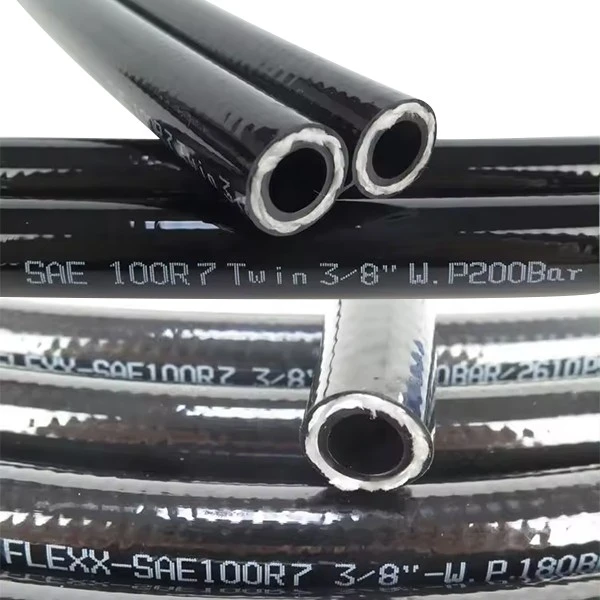
The Sae100 R7 Thermoplastic Hose Sae100 R7 Thermoplastic Hose is a prime example. It is made from a thermoplastic material that offers superior resistance to abrasion, which in turn helps it resist the penetration of dust and dirt. The inner tube of this hose is designed to be smooth, reducing the likelihood of dust and dirt particles getting trapped inside.
Design
The design of the hose also affects its dust and dirt resistance. A well - designed hose will have features that prevent dust and dirt from entering the system. For instance, hoses with tight - fitting couplings can prevent dust and dirt from seeping in at the connection points. Additionally, hoses with a protective outer layer can provide an extra barrier against dust and dirt.
The Sae100 R8 Thermoplastic Hose Sae100 R8 Thermoplastic Hose is designed with a robust outer layer that not only provides mechanical protection but also acts as a shield against dust and dirt. Its construction ensures that even in harsh environments, the hose can maintain its integrity and performance.
Manufacturing Process
The manufacturing process is another important factor. Precision manufacturing techniques can ensure that the hose has a uniform structure and a smooth surface. This reduces the chances of dust and dirt particles adhering to the hose. Advanced manufacturing processes also allow for better control over the quality of the materials used, further enhancing the hose's resistance to dust and dirt.
Testing and Certification
To ensure the dust and dirt resistance of special hydraulic hoses, rigorous testing is carried out. These tests simulate real - world conditions to evaluate the hose's performance under the presence of dust and dirt. For example, hoses may be subjected to a dust chamber test, where they are exposed to a controlled amount of dust for a specific period. The hoses are then inspected for signs of wear, damage, or blockages.
Certifications from recognized organizations also play a vital role. Certifications such as ISO standards ensure that the hoses meet certain quality and performance criteria. When a hose is certified, it gives customers confidence that the hose can withstand the challenges posed by dust and dirt in their applications.
Benefits of Dust and Dirt - Resistant Hydraulic Hoses
Investing in dust and dirt - resistant hydraulic hoses offers several benefits. Firstly, it reduces maintenance costs. Since these hoses are less likely to be damaged by dust and dirt, they require less frequent replacement and repair. This can result in significant cost savings over the long term.
Secondly, it improves the reliability of the hydraulic system. By preventing dust and dirt from entering the system, the risk of blockages and malfunctions is reduced. This ensures that the hydraulic system operates smoothly and efficiently, minimizing downtime.
Finally, it extends the lifespan of the hydraulic system. Well - protected hoses can last longer, which means that the entire system can function effectively for a more extended period. This is especially important in industries where continuous operation is crucial.
How to Choose the Right Dust and Dirt - Resistant Hydraulic Hose
When choosing a dust and dirt - resistant hydraulic hose, there are several factors to consider. Firstly, you need to assess the operating environment. If the application is in a dusty or dirty environment, you'll need a hose with high - level dust and dirt resistance.
Secondly, consider the pressure and flow requirements of your hydraulic system. Different hoses are designed to handle different pressure and flow rates. Make sure to choose a hose that can meet the specific requirements of your system.
Finally, look for hoses that are certified and have a good reputation in the market. Certifications indicate that the hose meets certain quality standards, and a good reputation means that other customers have had positive experiences with the product.

Conclusion
Dust and dirt resistance is a critical aspect of special hydraulic hoses. By understanding the factors that affect this resistance, the benefits of using dust and dirt - resistant hoses, and how to choose the right hose, you can ensure the optimal performance and longevity of your hydraulic system.
If you're in the market for high - quality special hydraulic hoses with excellent dust and dirt resistance, we're here to help. Our wide range of products, including the Sae100 R7 Thermoplastic Hose and Sae100 R8 Thermoplastic Hose, are designed to meet the most demanding applications. Contact us to discuss your specific requirements and start a procurement negotiation today.
References
- "Hydraulic Hose Handbook", Industry Standard Publications
- "Materials Science for Hydraulic Components", Academic Research Journal