

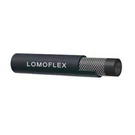
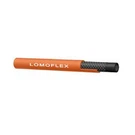


As a supplier of rubber hoses, I've been asked a lot about the corrosion - resistance properties of sewage rubber hoses. It's a crucial topic, especially when you're dealing with harsh sewage environments. Let's dive right in and explore what makes these hoses tick in terms of corrosion resistance.
What's in Sewage and Why Does It Matter?
Sewage is a complex mixture. It contains all sorts of stuff like organic matter, chemicals, and even microorganisms. These components can be pretty aggressive towards materials. For example, acids and alkalis in sewage can react with the hose material, causing it to degrade over time. Microorganisms can also play a role. Some bacteria produce corrosive substances as part of their metabolic processes.
When a rubber hose is used in sewage, it has to withstand all these challenges. If it doesn't have good corrosion - resistance, it can start to break down. This leads to leaks, which are not only a hassle but can also cause environmental problems.
How Are Sewage Rubber Hoses Made to Be Corrosion - Resistant?
The first step in making a corrosion - resistant sewage rubber hose is choosing the right rubber compound. Different types of rubber have different properties. For instance, neoprene is a popular choice. It has good resistance to a wide range of chemicals, including many of the acids and alkalis found in sewage. Nitrile rubber is also used in some cases, especially when there's a need for resistance to oils and greases that might be present in sewage.
Manufacturers also add various additives to the rubber. These additives can enhance the hose's resistance to corrosion. For example, antioxidants are added to prevent the rubber from oxidizing, which can weaken the material. UV stabilizers are used to protect the hose from the sun's rays if it's used outdoors.
Testing the Corrosion - Resistance of Sewage Rubber Hoses
Before a sewage rubber hose hits the market, it goes through a series of tests. One common test is the immersion test. In this test, a sample of the hose is immersed in a solution that simulates the composition of sewage. The sample is left in the solution for a certain period, and then it's examined for any signs of degradation, such as changes in weight, hardness, or appearance.
Another test is the salt spray test. This test exposes the hose to a fine mist of saltwater, which can accelerate the corrosion process. By observing how the hose performs in this test, manufacturers can get an idea of how it will hold up in real - world sewage environments.
Real - World Performance
In real - world applications, sewage rubber hoses face a variety of conditions. Some hoses are used in underground sewage systems, where they're constantly in contact with wet, corrosive soil. Others are used in industrial settings, where the sewage may contain higher concentrations of chemicals.
I've heard from many customers that our sewage rubber hoses have performed well in these challenging environments. They've reported that the hoses have a long service life and don't require frequent replacements. This is a testament to the quality of the materials and the manufacturing processes we use.
Comparing with Other Types of Hoses
It's interesting to compare sewage rubber hoses with other types of rubber hoses. For example, Rubber Air Hose is designed mainly for air transfer. It doesn't need to have the same level of corrosion - resistance as a sewage hose because it's not exposed to the same harsh chemicals.
Twin Welding Hose is used in welding applications. While it also needs to be durable, its main requirements are related to heat resistance and flexibility, rather than corrosion resistance in a sewage context.
Lpg Hose is used for transferring liquefied petroleum gas. It has to be resistant to the specific properties of LPG, such as its flammability and chemical composition, which are different from the challenges faced by sewage hoses.
Maintenance Tips for Sewage Rubber Hoses
Even though sewage rubber hoses are designed to be corrosion - resistant, proper maintenance can extend their lifespan. Regular inspections are a must. Check for any signs of wear, such as cracks or bulges. If you notice any issues, it's important to address them right away.


Cleaning the hoses is also important. You can use mild detergents to remove any dirt or debris that might be stuck to the hose. Avoid using harsh chemicals, as they can damage the rubber.
Conclusion
Sewage rubber hoses are an essential part of many sewage systems. Their corrosion - resistance properties are crucial for ensuring a long service life and preventing leaks. By choosing the right materials, conducting thorough testing, and following proper maintenance procedures, these hoses can perform well in even the most challenging sewage environments.
If you're in the market for high - quality sewage rubber hoses, or if you have any questions about our products, feel free to reach out. We're here to help you find the best solution for your needs.
References
- ASTM International. (Year). Standard test methods for rubber properties in liquids.
- Rubber Manufacturers Association. (Year). Technical guidelines for rubber hose manufacturing.