

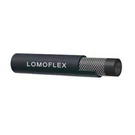
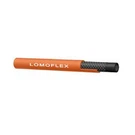


As a supplier of twin welding hoses, I understand the importance of protecting these vital components from sharp objects. Twin welding hoses are essential for delivering gases and electricity during welding operations, and any damage can lead to safety hazards, decreased efficiency, and costly repairs. In this blog post, I will share some practical tips on how to protect a twin welding hose from sharp objects to ensure its longevity and optimal performance.
Understanding the Risks
Before we delve into the protective measures, it's crucial to understand the risks associated with sharp objects and twin welding hoses. Sharp objects such as metal edges, tools, and debris can cause cuts, punctures, and abrasions to the hose, compromising its integrity. These damages can lead to gas leaks, electrical shorts, and even fires, posing significant safety risks to the operator and the surrounding environment.
Choosing the Right Hose
One of the first steps in protecting a twin welding hose is to choose the right one for your application. Consider the following factors when selecting a hose:
- Material: Opt for hoses made from high-quality materials such as synthetic rubber or reinforced PVC. These materials are more resistant to cuts, abrasions, and chemicals, providing better protection against sharp objects.
- Reinforcement: Look for hoses with additional reinforcement layers, such as braided or spiral-wound fibers. These reinforcements enhance the hose's strength and durability, making it more resistant to damage.
- Size and Length: Select a hose that is the appropriate size and length for your welding setup. A hose that is too short or too long can increase the risk of tangling and damage.
Proper Handling and Storage
Proper handling and storage of twin welding hoses are essential for preventing damage from sharp objects. Here are some tips to keep in mind:


- Avoid Dragging: Never drag the hose across rough surfaces or sharp edges. Instead, lift and carry the hose carefully to prevent cuts and abrasions.
- Use Hose Reels: Invest in a high-quality hose reel to keep the hose organized and protected when not in use. A hose reel helps prevent tangling and reduces the risk of damage from sharp objects.
- Store in a Safe Place: Store the hose in a clean, dry, and well-ventilated area away from sharp objects, chemicals, and direct sunlight. Avoid storing the hose in areas where it can be crushed or damaged.
Protective Covers and Guards
Using protective covers and guards is an effective way to shield twin welding hoses from sharp objects. Here are some options to consider:
- Hose Sleeves: Hose sleeves are made from durable materials such as nylon or neoprene and can be slipped over the hose to provide an extra layer of protection. They are available in various sizes and lengths to fit different hoses.
- Guard Rails: Install guard rails around the welding area to prevent the hose from coming into contact with sharp objects. Guard rails can be made from metal or plastic and can be easily installed on the floor or walls.
- Cable Ties and Clamps: Use cable ties and clamps to secure the hose in place and prevent it from moving around. This helps reduce the risk of the hose getting caught on sharp objects.
Regular Inspections
Regular inspections of twin welding hoses are crucial for detecting and addressing any signs of damage early on. Here are some tips for conducting inspections:
- Visual Inspection: Inspect the hose regularly for cuts, punctures, abrasions, and other signs of damage. Pay special attention to the areas where the hose connects to the welding equipment and the gas cylinders.
- Pressure Testing: Conduct pressure tests on the hose periodically to ensure that it is functioning properly and is not leaking. Pressure testing can help detect any hidden leaks or weaknesses in the hose.
- Replacement: If you notice any signs of damage or wear on the hose, replace it immediately. Using a damaged hose can pose significant safety risks and can lead to costly repairs.
Training and Education
Proper training and education of welding operators are essential for protecting twin welding hoses from sharp objects. Here are some tips for providing training:
- Safety Training: Provide safety training to all welding operators on the proper handling and use of twin welding hoses. This includes training on how to avoid contact with sharp objects, how to inspect the hose for damage, and how to replace the hose if necessary.
- Equipment Training: Provide training on the proper use of welding equipment, including the hose. This includes training on how to connect and disconnect the hose, how to adjust the gas flow, and how to troubleshoot any problems.
- Emergency Procedures: Provide training on emergency procedures in case of a hose failure or other safety hazard. This includes training on how to shut off the gas supply, how to evacuate the area, and how to call for help.
Conclusion
Protecting a twin welding hose from sharp objects is essential for ensuring its longevity and optimal performance. By choosing the right hose, handling and storing it properly, using protective covers and guards, conducting regular inspections, and providing training and education to welding operators, you can minimize the risk of damage and ensure the safety of your welding operations.
If you are in the market for high-quality twin welding hoses, Rubber Water Hose, Oxygen Acetylene Hose, or Fuel Oil Hose, please feel free to contact us. We offer a wide range of hoses to meet your specific needs and requirements. Our team of experts is available to provide you with personalized advice and support to help you choose the right hose for your application.
References
- American Welding Society. (2023). Welding Safety and Health.
- Occupational Safety and Health Administration. (2023). Welding, Cutting, and Brazing.
- Hose Manufacturers Institute. (2023). Hose Selection and Application Guide.