





Preventing electrostatic discharge in an oxygen acetylene hose is crucial for ensuring safety in various industrial applications. As a trusted oxygen acetylene hose supplier, we understand the significance of this issue and are committed to providing solutions to our customers. In this blog post, we will delve into the causes of electrostatic discharge in oxygen acetylene hoses, the potential dangers it poses, and most importantly, how to prevent it.
Understanding Electrostatic Discharge in Oxygen Acetylene Hoses
Electrostatic discharge occurs when there is a sudden flow of electricity between two electrically charged objects caused by contact, an electrical short, or dielectric breakdown. In the context of oxygen acetylene hoses, electrostatic discharge can be generated due to several factors. One of the primary causes is the friction between the gas flowing through the hose and the inner surface of the hose. As the oxygen and acetylene gases move at high speeds, they can create static electricity. Additionally, external factors such as the movement of the hose, contact with other objects, or even the environment can contribute to the build - up of static charge.
The Dangers of Electrostatic Discharge in Oxygen Acetylene Hoses
The consequences of electrostatic discharge in oxygen acetylene hoses can be extremely severe. Oxygen is a highly reactive gas, and acetylene is a flammable gas. A small spark from electrostatic discharge can ignite the acetylene - oxygen mixture, leading to an explosion or a fire. This not only endangers the lives of the workers handling the equipment but also causes significant damage to the property and the surrounding environment. Therefore, preventing electrostatic discharge is not just a matter of compliance with safety regulations but also a moral obligation to protect human lives and assets.
Preventive Measures
1. Use of Conductive Hoses
One of the most effective ways to prevent electrostatic discharge is to use conductive oxygen acetylene hoses. These hoses are specifically designed with materials that can conduct electricity, allowing the static charge to dissipate safely. The conductive properties of the hose ensure that any static electricity generated during the flow of gas is quickly transferred to the ground, reducing the risk of a dangerous spark. As a supplier, we offer a range of conductive oxygen acetylene hoses that meet the highest safety standards.
2. Grounding the Hoses
Proper grounding is essential for preventing electrostatic discharge. When the hose is grounded, it provides a path for the static charge to flow safely to the ground. This can be achieved by connecting the hose to a suitable grounding point using a grounding cable. The grounding point should be a reliable and low - resistance connection to the earth. Regular checks should be made to ensure that the grounding connection is intact and functioning properly.
3. Controlling the Gas Flow Rate
The speed at which the oxygen and acetylene gases flow through the hose can significantly affect the generation of static electricity. Higher flow rates tend to create more friction and thus more static charge. By controlling the gas flow rate within the recommended limits, the amount of static electricity generated can be reduced. This can be achieved by using flow control valves and regulators to ensure a stable and appropriate flow of gas.
4. Maintaining a Clean Environment
The environment in which the oxygen acetylene hoses are used can also impact the build - up of static charge. Dust, dirt, and other contaminants can increase the friction between the gas and the hose, leading to more static electricity. Therefore, it is important to keep the hoses clean and the working area free from debris. Regular cleaning of the hoses with appropriate solvents can help remove any contaminants and reduce the risk of electrostatic discharge.
5. Training and Education
Proper training and education of the workers handling the oxygen acetylene hoses are vital. Workers should be aware of the risks associated with electrostatic discharge and the preventive measures that need to be taken. They should be trained on how to handle the hoses correctly, how to check the grounding, and how to recognize the signs of potential electrostatic problems. Regular safety training sessions can help ensure that all workers are well - informed and equipped to handle the equipment safely.
Our Product Range
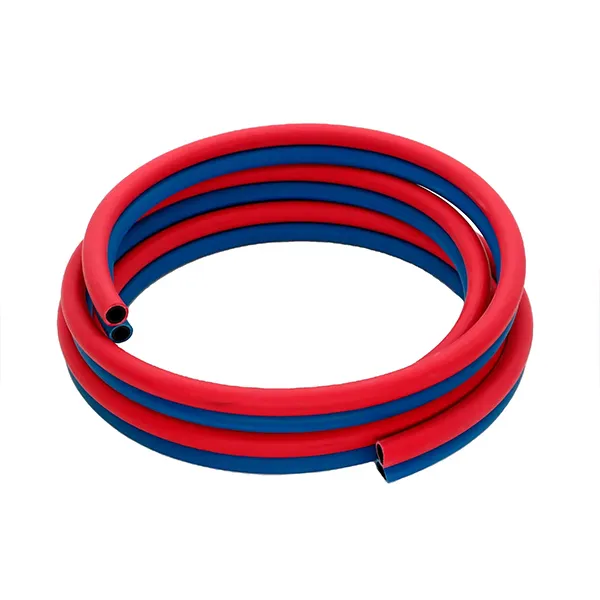
As a leading oxygen acetylene hose supplier, we offer a wide range of high - quality hoses to meet the diverse needs of our customers. In addition to our standard oxygen acetylene hoses, we also provide other types of industrial hoses such as Fuel Oil Hose, Twin Welding Hose, and Rubber Air Hose. All our hoses are manufactured using the latest technology and high - quality materials to ensure maximum safety and performance.
Conclusion
Preventing electrostatic discharge in oxygen acetylene hoses is a multi - faceted process that requires a combination of proper equipment, correct procedures, and well - trained personnel. As a responsible oxygen acetylene hose supplier, we are dedicated to providing our customers with the best products and services to ensure their safety. If you are in the market for high - quality oxygen acetylene hoses or any other industrial hoses, we encourage you to contact us for more information and to discuss your specific requirements. Our team of experts is ready to assist you in finding the best solutions for your needs.
References
[1] Industrial Safety Handbook, 2nd Edition
[2] Safety Guidelines for Oxygen and Acetylene Equipment, National Fire Protection Association
[3] Electrostatic Discharge in Industrial Hoses: Causes and Prevention, Journal of Industrial Safety Research