



When it comes to transferring oil, especially heating oil, the choice of hose is crucial. As a supplier of suction and discharge oil hoses, I often encounter questions from customers about the suitability of our hoses for heating oil transfer. In this blog post, I will delve into the technical aspects, advantages, and limitations of using suction and discharge oil hoses for heating oil transfer.
Technical Specifications of Suction and Discharge Oil Hoses
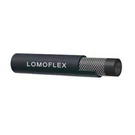
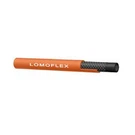
Suction and discharge oil hoses are designed to handle the transfer of various types of oils under different conditions. These hoses typically consist of an inner tube, reinforcement layer, and outer cover. The inner tube is in direct contact with the oil and is made of materials that are resistant to oil degradation. Common materials for the inner tube include nitrile rubber (NBR), which has excellent oil resistance properties.
The reinforcement layer provides the hose with strength and pressure resistance. It can be made of synthetic fibers such as polyester or nylon, or in some cases, steel wire for high - pressure applications. The outer cover protects the hose from external factors such as abrasion, weathering, and chemicals.
For heating oil transfer, the hose needs to be able to withstand the specific properties of the heating oil. Heating oil, also known as fuel oil, has certain characteristics such as a relatively high viscosity and may contain additives. The hose should be able to resist the swelling and softening effects that the oil can have on the hose materials over time.
Compatibility with Heating Oil
One of the primary considerations when using a suction and discharge oil hose for heating oil transfer is compatibility. Heating oil is a hydrocarbon - based fuel, and the hose materials must be able to resist the chemical attack of these hydrocarbons. Nitrile rubber inner tubes are a popular choice because they have good resistance to a wide range of oils and fuels.
However, it's important to note that not all nitrile rubber compounds are created equal. Some may have better resistance to the specific additives and contaminants found in heating oil. As a supplier, we ensure that our suction and discharge oil hoses are tested for compatibility with heating oil. We work with manufacturers who use high - quality nitrile rubber compounds that are specifically formulated for oil transfer applications.
Temperature Resistance
Heating oil transfer may involve handling oil at different temperatures. During storage, heating oil is usually at ambient temperature, but when it is being transferred from a storage tank to a heating system, it may be heated to a certain degree. Our suction and discharge oil hoses are designed to have a wide temperature range.
The inner tube and outer cover materials are selected to maintain their physical properties within the expected temperature range. For example, the nitrile rubber inner tube can typically withstand temperatures from - 40°F to 212°F (- 40°C to 100°C). This temperature range allows the hose to be used in various environments, from cold winter conditions to warmer indoor settings where the oil may be slightly heated.
Pressure Rating
Another important factor in heating oil transfer is the pressure rating of the hose. The pressure in a heating oil transfer system depends on factors such as the height of the storage tank, the length of the transfer pipeline, and the flow rate of the oil. Our suction and discharge oil hoses are designed to handle different pressure levels.
The reinforcement layer plays a key role in determining the pressure rating of the hose. Hoses with multiple layers of synthetic fiber reinforcement or steel wire reinforcement can handle higher pressures. We offer a range of hoses with different pressure ratings to meet the specific needs of our customers. Whether it's a low - pressure transfer from a small storage tank or a high - pressure transfer in an industrial heating system, we have the right hose for the job.
Advantages of Using Suction and Discharge Oil Hoses for Heating Oil Transfer
- Flexibility: Suction and discharge oil hoses are highly flexible, which makes them easy to install and maneuver in different settings. This flexibility allows for easy connection between the storage tank and the heating system, even in tight spaces.
- Durability: With proper construction and high - quality materials, these hoses are durable and can withstand the rigors of regular use. They are resistant to abrasion, which is important in environments where the hose may come into contact with rough surfaces during installation or operation.
- Versatility: Our suction and discharge oil hoses can be used for a variety of oil transfer applications, not just heating oil. This means that if a customer has other oil - related needs in the future, they can use the same type of hose, providing cost - effectiveness and convenience.
Limitations and Considerations
- Length Limitations: The length of the hose can affect the flow rate and pressure in the transfer system. Longer hoses may result in a decrease in pressure and flow rate due to friction losses. It's important to select the appropriate hose length based on the specific requirements of the heating oil transfer system.
- Maintenance: Like any equipment, suction and discharge oil hoses require regular maintenance. This includes checking for signs of wear, such as cracks or leaks in the hose, and ensuring that the fittings are tight and in good condition. Regular maintenance can extend the lifespan of the hose and prevent potential problems.
Related Products
If you are also interested in water transfer applications, we offer Suction and Discharge Water Hose. These hoses are designed with similar principles but are optimized for water transfer, with materials that are resistant to water - related chemicals and environmental factors.
For all your oil transfer needs, our Suction and Discharge Oil Hose is a reliable choice. We offer a wide range of sizes, pressure ratings, and configurations to meet the diverse needs of our customers.
Conclusion
In conclusion, suction and discharge oil hoses can be effectively used for heating oil transfer. They offer the necessary compatibility, temperature resistance, and pressure rating to ensure a safe and efficient transfer process. However, it's important to consider factors such as hose length, maintenance, and the specific requirements of the heating oil system.


As a supplier, we are committed to providing high - quality suction and discharge oil hoses that meet the highest industry standards. If you have any questions or need assistance in selecting the right hose for your heating oil transfer application, please feel free to contact us for a detailed discussion and procurement negotiation.
References
- ASTM International. (Year). Standard specifications for rubber hoses for petroleum products.
- Manufacturer's technical documentation for suction and discharge oil hoses.