



Can SAE100 R5 be used for oil transfer?
As a supplier of SAE100 R5 hydraulic hoses, I often get asked whether this type of hose can be used for oil transfer. This question is crucial as the right choice of hose can significantly impact the efficiency, safety, and longevity of an oil transfer system. In this blog, I'll delve into the characteristics of SAE100 R5 hoses and assess their suitability for oil transfer.
Understanding SAE100 R5 Hoses
SAE100 R5 hoses are part of the SAE (Society of Automotive Engineers) standards for hydraulic hoses. These hoses are designed with a single wire braid reinforcement, which gives them a certain level of strength and flexibility. They are typically used in low to medium-pressure hydraulic applications.
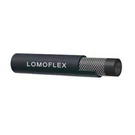
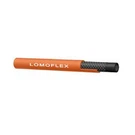
The construction of SAE100 R5 hoses consists of an inner tube, a single wire braid layer, and an outer cover. The inner tube is usually made of synthetic rubber, which is resistant to various fluids, including oils. The wire braid provides the necessary reinforcement to withstand the pressure within the hose, while the outer cover protects the hose from external factors such as abrasion, weather, and chemicals.
Compatibility with Oils
One of the key factors in determining whether SAE100 R5 can be used for oil transfer is its compatibility with different types of oils. Most SAE100 R5 hoses are designed to be compatible with mineral oils, which are commonly used in hydraulic systems. Mineral oils have a relatively low viscosity and are chemically stable, making them suitable for use with the synthetic rubber inner tube of SAE100 R5 hoses.
However, it's important to note that not all oils are the same. There are also synthetic oils, bio-based oils, and other specialty oils that may have different chemical properties. Before using SAE100 R5 hoses for oil transfer, it's essential to check the hose manufacturer's specifications to ensure compatibility with the specific type of oil being used.
Pressure and Flow Requirements
Another important consideration is the pressure and flow requirements of the oil transfer system. SAE100 R5 hoses are rated for a specific working pressure, which is typically in the range of 1,500 to 3,000 psi (pounds per square inch). If the oil transfer system operates at a pressure higher than the rated pressure of the SAE100 R5 hose, it can lead to hose failure, which can be dangerous and costly.
In addition to pressure, the flow rate of the oil also needs to be considered. The size of the hose and its internal diameter will determine the maximum flow rate that the hose can handle. If the flow rate is too high for the hose, it can cause excessive pressure drop, which can reduce the efficiency of the oil transfer system.
Advantages of Using SAE100 R5 for Oil Transfer
There are several advantages to using SAE100 R5 hoses for oil transfer. Firstly, they are relatively lightweight and flexible, which makes them easy to install and maneuver. This is especially important in applications where space is limited or where the hose needs to be bent or routed around obstacles.
Secondly, SAE100 R5 hoses are cost-effective compared to other types of hydraulic hoses. They offer a good balance between performance and price, making them a popular choice for many oil transfer applications.
Finally, SAE100 R5 hoses are widely available and can be easily sourced from suppliers. This ensures that replacement hoses can be quickly obtained in case of a failure or when maintenance is required.
Limitations of Using SAE100 R5 for Oil Transfer
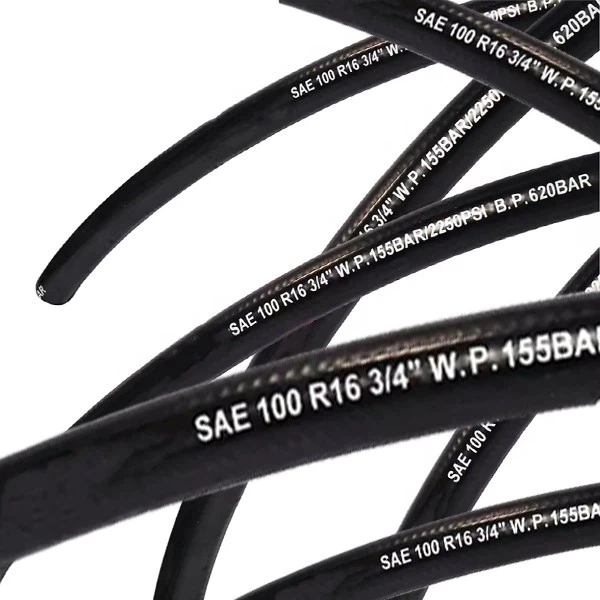
While SAE100 R5 hoses have many advantages, they also have some limitations. One of the main limitations is their relatively low pressure rating compared to other types of hydraulic hoses, such as Din En857 2sc or Hydraulic Rubber Hose Sae100 R16. If the oil transfer system requires a higher pressure, a different type of hose may be needed.
Another limitation is their resistance to abrasion and wear. While the outer cover of SAE100 R5 hoses is designed to protect the hose from external factors, it may not be as durable as the outer covers of some other types of hoses, such as Din En853 2sn. In applications where the hose is likely to be exposed to abrasive materials or rough surfaces, a more robust hose may be required.

Conclusion
In conclusion, SAE100 R5 hoses can be used for oil transfer in many applications, especially those with low to medium-pressure requirements. They offer a good balance between performance, cost, and flexibility. However, it's important to consider the specific requirements of the oil transfer system, including the type of oil, pressure, and flow rate, before choosing SAE100 R5 hoses.
If you're considering using SAE100 R5 hoses for your oil transfer application, I encourage you to contact us for more information. Our team of experts can help you determine the best hose for your specific needs and provide you with a quote. We look forward to working with you to ensure the success of your oil transfer system.
References
- SAE International Standards for Hydraulic Hoses
- Manufacturer's Specifications for SAE100 R5 Hoses