



Disposing of an old suction and discharge water hose properly is not only an environmental responsibility but also a matter of safety and compliance. As a supplier of suction and discharge water hoses, I've witnessed firsthand the importance of proper disposal methods. In this blog, I'll share some insights on how to handle old hoses in a way that minimizes environmental impact and adheres to regulations.
Understanding the Composition of Suction and Discharge Water Hoses
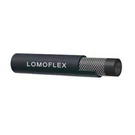
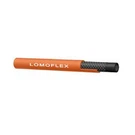
Before we dive into the disposal methods, it's essential to understand what suction and discharge water hoses are made of. These hoses typically consist of an inner tube, reinforcement layer, and outer cover. The inner tube is often made of materials like PVC (polyvinyl chloride), rubber, or thermoplastic elastomers, which are designed to be resistant to water and various chemicals. The reinforcement layer can be made of synthetic fibers, steel wire, or textile, providing strength and flexibility. The outer cover protects the hose from abrasion, weathering, and other external factors and is usually made of rubber or PVC.
The materials used in these hoses have different properties and disposal requirements. For example, PVC is a type of plastic that can release harmful chemicals when burned, while rubber can take a long time to decompose in landfills. Understanding the composition of your old hose will help you choose the most appropriate disposal method.
Assessing the Condition of the Old Hose
The first step in proper disposal is to assess the condition of the old suction and discharge water hose. If the hose is still in good working condition, it may be possible to reuse it. For instance, if the damage is minor, such as a small puncture or a loose fitting, you can repair it and put it back into service. This not only saves money but also reduces waste.
However, if the hose is severely damaged, worn out, or no longer meets safety standards, it's time to consider disposal. Look for signs of excessive wear, such as cracks, splits, or deterioration of the inner tube or outer cover. Check the reinforcement layer for any signs of corrosion or breakage. If the hose has been exposed to hazardous chemicals or contaminants, it may require special handling.


Reuse and Recycling Options
One of the most environmentally friendly ways to dispose of an old suction and discharge water hose is to reuse or recycle it. There are several options available:
- Donation or Resale: If the hose is still in good condition, you can donate it to a local community organization, charity, or a DIY enthusiast. You can also try selling it on online marketplaces or through local classified ads. This way, the hose can find a new home and continue to be useful.
- Recycling Programs: Many recycling facilities accept rubber and plastic hoses. Contact your local recycling center or waste management company to inquire about their recycling programs. Some facilities may require you to separate the different components of the hose, such as the inner tube, reinforcement layer, and outer cover, before recycling. Make sure to follow their guidelines to ensure proper recycling.
- Manufacturer Take-Back Programs: Some hose manufacturers offer take-back programs for old hoses. These programs allow you to return your used hoses to the manufacturer, who will recycle or reuse the materials. Check with the manufacturer of your suction and discharge water hose to see if they have a take-back program in place.
Disposal in Landfills
If reuse and recycling options are not available, you may have to dispose of the old hose in a landfill. However, this should be a last resort, as landfills can have a negative impact on the environment. Before disposing of the hose in a landfill, make sure to check local regulations and guidelines. Some landfills may have restrictions on the types of materials they accept, especially those containing hazardous chemicals.
If you need to dispose of the hose in a landfill, it's important to take steps to minimize its environmental impact. For example, you can cut the hose into smaller pieces to reduce its volume. This will help save space in the landfill and make it easier to handle. Additionally, you can try to find a landfill that uses advanced waste management techniques, such as landfill gas capture and recycling, to reduce its environmental footprint.
Hazardous Waste Disposal
If the old suction and discharge water hose has been exposed to hazardous chemicals or contaminants, it must be disposed of as hazardous waste. Hazardous waste can pose a significant risk to human health and the environment if not handled properly. Examples of hazardous substances that may contaminate hoses include oil, gasoline, pesticides, and heavy metals.
To dispose of a hose contaminated with hazardous waste, you need to follow strict regulations and guidelines. Contact your local environmental protection agency or waste management company for information on how to handle and dispose of hazardous waste. They may require you to use a licensed hazardous waste disposal facility or follow specific procedures for packaging and transporting the waste.
Safety Precautions
When handling and disposing of an old suction and discharge water hose, it's important to take appropriate safety precautions. Wear protective gloves, goggles, and clothing to prevent contact with any chemicals or contaminants that may be present on the hose. If the hose has been exposed to hazardous substances, follow the safety instructions provided by the manufacturer or the relevant regulatory agency.
When cutting or handling the hose, use sharp tools and be careful to avoid injury. Make sure to dispose of any waste materials, such as cuttings or debris, properly. Do not leave the hose or any waste materials lying around, as they can pose a tripping hazard or attract pests.
Conclusion
Proper disposal of an old suction and discharge water hose is crucial for protecting the environment, ensuring safety, and complying with regulations. By understanding the composition of the hose, assessing its condition, and exploring reuse, recycling, and disposal options, you can make an informed decision on how to handle your old hose.
As a supplier of Suction and Discharge Water Hose and Suction and Discharge Oil Hose, I'm committed to promoting sustainable practices and providing our customers with high-quality products. If you have any questions or need further information on hose disposal or our products, please feel free to contact us. We're here to help you make the right choices for your business and the environment.
References
- "Hose Recycling: A Guide to Sustainable Disposal." Environmental Protection Agency.
- "Safe Handling and Disposal of Hazardous Waste." Occupational Safety and Health Administration.
- "Recycling Programs for Rubber and Plastic Products." Local Recycling Center Directory.