

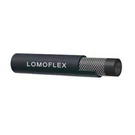
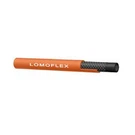


Hey there! As a supplier of oxygen acetylene hoses, I often get asked about the minimum bending radius of these hoses. It's a crucial question because it can have a big impact on the performance and safety of the hoses. So, let's dive right in and explore what the minimum bending radius is and why it matters.
First off, what exactly is the minimum bending radius? Well, it's the smallest radius that a hose can be bent without causing damage to the hose or affecting its performance. When a hose is bent beyond its minimum bending radius, it can lead to a whole bunch of problems. For example, it can restrict the flow of oxygen and acetylene, which is obviously not good for your welding or cutting operations. It can also cause the hose to kink, which can lead to leaks and even pose a safety hazard.
So, what determines the minimum bending radius of an oxygen acetylene hose? There are a few factors to consider. One of the main factors is the diameter of the hose. Generally speaking, the larger the diameter of the hose, the larger the minimum bending radius will be. This is because a larger hose has more material and is less flexible than a smaller hose. Another factor is the type of hose. Different types of hoses have different minimum bending radii, depending on their construction and materials.
For example, a rubber oxygen acetylene hose typically has a minimum bending radius of around 4 to 6 times the diameter of the hose. So, if you have a 1/4-inch diameter hose, the minimum bending radius would be around 1 to 1.5 inches. However, it's important to note that this is just a general guideline, and the actual minimum bending radius may vary depending on the specific hose and its manufacturer.
It's also worth mentioning that the minimum bending radius can be affected by other factors, such as the temperature and pressure of the gas flowing through the hose. In colder temperatures, the hose may become more rigid and less flexible, which can increase the minimum bending radius. Similarly, higher pressures can also make the hose more difficult to bend.
So, why is it so important to pay attention to the minimum bending radius of your oxygen acetylene hose? Well, as I mentioned earlier, bending the hose beyond its minimum bending radius can cause a variety of problems. In addition to restricting the flow of gas and causing kinks, it can also lead to premature wear and tear on the hose. This can shorten the lifespan of the hose and increase the risk of leaks and other safety issues.
To ensure that you're using your oxygen acetylene hose safely and effectively, it's important to follow the manufacturer's guidelines for the minimum bending radius. This will help to prevent damage to the hose and ensure that it performs as intended. If you're not sure what the minimum bending radius is for your specific hose, you can always check the manufacturer's documentation or contact their customer support team for more information.
In addition to following the manufacturer's guidelines, there are a few other things you can do to protect your oxygen acetylene hose. For example, you should avoid bending the hose at sharp angles or kinking it. You should also make sure that the hose is properly supported and secured to prevent it from being pulled or twisted. And if you're using the hose in a high-pressure environment, you may want to consider using a hose protector to help prevent damage.
Now, let's talk a little bit about the different types of hoses that are available. As a supplier, I offer a variety of hoses, including Rubber Air Hose, Lpg Hose, and Rubber Water Hose. Each type of hose has its own unique properties and applications, so it's important to choose the right one for your specific needs.
For example, if you're using the hose for welding or cutting, you'll want to choose a hose that is specifically designed for oxygen and acetylene. These hoses are typically made from a high-quality rubber material that is resistant to heat, chemicals, and abrasion. They also have a special inner lining that helps to prevent the gas from leaking out.
On the other hand, if you're using the hose for air or water applications, you'll want to choose a hose that is designed for those specific uses. Rubber Air Hose is typically used for pneumatic tools and equipment, while Rubber Water Hose is used for watering plants, washing cars, and other similar applications.


In conclusion, the minimum bending radius of an oxygen acetylene hose is an important factor to consider when using these hoses. By following the manufacturer's guidelines and taking proper care of your hose, you can ensure that it performs safely and effectively. And if you're in the market for a new hose, be sure to check out our selection of Rubber Air Hose, Lpg Hose, and Rubber Water Hose. We offer high-quality hoses at competitive prices, and our team of experts is always available to help you choose the right hose for your needs.
If you're interested in learning more about our products or have any questions, please don't hesitate to contact us. We'd be happy to help you find the perfect hose for your application.
References:
- Manufacturer's documentation for oxygen acetylene hoses
- Industry standards and guidelines for hose safety and performance