

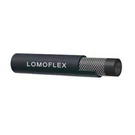
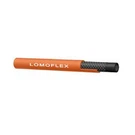


Hey there! As a supplier of LPG hoses, I often get asked about the flexibility of these hoses at low temperatures. It's a crucial aspect, especially for those working in cold environments. So, let's dive right in and explore what the flexibility at low temperatures of an LPG hose really means.
First off, what is LPG? LPG stands for liquefied petroleum gas, which is a flammable mixture of hydrocarbon gases. It's commonly used for heating, cooking, and in some vehicles. And LPG hoses are designed to transport this gas safely from the source to the appliance.
Now, when it comes to low - temperature flexibility, it's all about how well the hose can bend and move without cracking or losing its integrity in cold conditions. You see, in cold weather, materials tend to become more rigid. Rubber, which is a common material for LPG hoses, is no exception.
The flexibility of an LPG hose at low temperatures is affected by several factors. One of the main factors is the type of rubber used. Different types of rubber have different cold - resistance properties. For example, some synthetic rubbers are specifically formulated to maintain flexibility even in extremely cold temperatures.
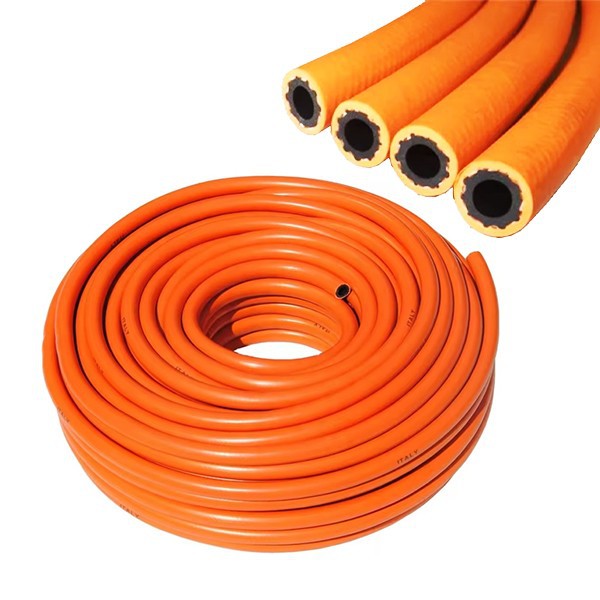

Another factor is the hose's construction. A well - constructed LPG hose will have a proper reinforcement layer. This layer not only provides strength but also helps the hose maintain its shape and flexibility. The thickness of the rubber and the quality of the reinforcement can greatly impact how well the hose performs in the cold.
Let's talk about the importance of low - temperature flexibility. In cold regions, if an LPG hose loses its flexibility, it can lead to a whole bunch of problems. Cracks can form in the hose, which can cause gas leaks. Gas leaks are not only a waste of fuel but also a serious safety hazard. They can lead to fires or explosions, putting lives and property at risk.
Moreover, a non - flexible hose can be difficult to install and maneuver. In cold weather, it might be hard to bend the hose into the right position to connect it to the LPG source or the appliance. This can lead to improper connections, which again increase the risk of leaks.
As a supplier, we understand the importance of providing LPG hoses that can withstand low temperatures. That's why we offer a range of hoses made from high - quality rubbers with excellent cold - resistance properties. Our hoses are designed to maintain flexibility even in sub - zero temperatures, ensuring safe and efficient operation.
If you're in the market for an LPG hose, you might also be interested in other types of hoses we offer. For example, we have Rubber Air Hose. These hoses are great for pneumatic tools and other air - related applications. They're also made from high - quality rubber and are designed to be flexible and durable.
We also have Fuel Oil Hose. These hoses are used for transporting fuel oil, and like our LPG hoses, they're built to last. They can handle the harsh conditions associated with fuel oil transportation, including low temperatures.
Of course, our Lpg Hose is our specialty. We've put a lot of effort into ensuring that our LPG hoses meet the highest standards of quality and safety. We test our hoses rigorously to make sure they can maintain their flexibility and integrity in low - temperature environments.
When choosing an LPG hose, it's important to consider the temperature range in which it will be used. If you're in a cold climate, you'll want to look for a hose with a low - temperature rating. This rating indicates the lowest temperature at which the hose can still function properly.
In addition to low - temperature flexibility, there are other factors to consider when buying an LPG hose. You'll want to look at the hose's pressure rating, which indicates how much pressure it can handle without bursting. You'll also want to consider the length and diameter of the hose, as these can affect the flow of gas.
We're here to help you make the right choice. Our team of experts can answer any questions you have about our LPG hoses or any of our other products. We can also provide you with detailed information about the technical specifications of our hoses.
If you're interested in purchasing an LPG hose or any of our other products, we encourage you to reach out to us. We're always happy to have a chat about your needs and find the best solution for you. Whether you're a small business or a large industrial operation, we have the products and expertise to meet your requirements.
In conclusion, the flexibility of an LPG hose at low temperatures is a critical factor in its performance and safety. By choosing a high - quality hose with good cold - resistance properties, you can ensure that your LPG system operates smoothly and safely, even in cold weather. So, don't hesitate to get in touch with us if you have any questions or if you're ready to make a purchase. We're looking forward to hearing from you!
References:
- Industry standards and guidelines for LPG hoses
- Technical literature on rubber materials and their properties at low temperatures