

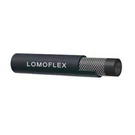
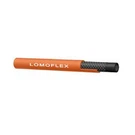


As a supplier of air hose assemblies, ensuring that our products meet the highest standards is not just a goal; it's a commitment we make to our customers. In this blog post, I'll share the key steps and considerations for checking if an air hose assembly meets the standards.
Understanding the Standards
Before diving into the inspection process, it's crucial to have a clear understanding of the standards that apply to air hose assemblies. These standards can vary depending on the industry, application, and geographical location. For example, in the industrial sector, standards such as ISO 1402 and SAE J200 are commonly referenced. These standards cover aspects like material quality, pressure ratings, and dimensional specifications.

As a supplier, we stay updated with the latest standards and ensure that our manufacturing processes are aligned with them. This proactive approach helps us deliver products that not only meet but often exceed the industry requirements.
Visual Inspection
The first step in checking an air hose assembly is a thorough visual inspection. This involves examining the hose, fittings, and any other components for visible defects or damage.
Hose Inspection
- Surface Condition: Check the outer surface of the hose for cuts, abrasions, cracks, or signs of aging. A damaged hose can compromise its integrity and lead to leaks or failures.
- Color and Texture: The hose should have a consistent color and texture. Any discoloration or unusual texture could indicate a problem with the material or manufacturing process.
- Markings: Look for markings on the hose that indicate its specifications, such as size, pressure rating, and material type. These markings should be clear and legible.
Fitting Inspection
- Connection: Ensure that the fittings are properly connected to the hose. There should be no signs of looseness or leakage at the connection points.
- Condition: Inspect the fittings for any signs of corrosion, damage, or deformation. Damaged fittings can affect the performance of the hose assembly and pose a safety risk.
- Sealing: Check the seals on the fittings to ensure they are intact and properly seated. A faulty seal can cause air leakage and reduce the efficiency of the system.
Dimensional Inspection
In addition to the visual inspection, dimensional inspection is also essential to ensure that the air hose assembly meets the specified standards. This involves measuring the various dimensions of the hose and fittings to ensure they are within the acceptable tolerance range.
Hose Dimensions
- Inner Diameter: Measure the inner diameter of the hose using a caliper or other appropriate measuring tool. The inner diameter should be within the specified range to ensure proper flow of air through the hose.
- Outer Diameter: Measure the outer diameter of the hose to ensure it is consistent and within the acceptable tolerance range. A variation in the outer diameter can affect the fit of the hose in the system.
- Length: Measure the length of the hose to ensure it meets the specified requirements. The length should be accurate to ensure proper installation and operation of the system.
Fitting Dimensions
- Thread Size: Check the thread size of the fittings to ensure they are compatible with the mating components. The thread size should be within the specified range to ensure a proper seal and connection.
- Overall Dimensions: Measure the overall dimensions of the fittings to ensure they are within the acceptable tolerance range. This includes the length, width, and height of the fittings.
Pressure Testing
Pressure testing is a critical step in checking the performance of an air hose assembly. This involves subjecting the hose assembly to a specified pressure to ensure it can withstand the pressure without leaking or failing.
Testing Procedure
- Set Up: Connect the air hose assembly to a pressure testing device and ensure it is properly secured.
- Pressurize: Gradually increase the pressure to the specified test pressure and hold it for a specified period of time.
- Inspect: During the pressure test, carefully inspect the hose assembly for any signs of leakage, bulging, or other defects.
- Release Pressure: After the test is complete, slowly release the pressure and disconnect the hose assembly from the testing device.
Test Pressure and Duration
The test pressure and duration can vary depending on the standards and application. In general, the test pressure should be higher than the maximum operating pressure of the system to ensure a safety margin. The duration of the test should be long enough to detect any potential leaks or failures.
Material Testing
In some cases, it may be necessary to conduct material testing to ensure that the air hose assembly is made of high-quality materials that meet the specified standards. This can involve testing the material for its chemical composition, mechanical properties, and other characteristics.
Chemical Composition Analysis
- Elemental Analysis: Use techniques such as spectroscopy or chromatography to analyze the chemical composition of the material. This can help identify any impurities or contaminants that may affect the performance of the hose assembly.
- Polymer Analysis: If the hose is made of a polymer material, conduct polymer analysis to determine its molecular structure and properties. This can help ensure that the material has the desired mechanical and chemical properties.
Mechanical Property Testing
- Tensile Strength: Test the material for its tensile strength to ensure it can withstand the forces applied during normal operation.
- Elongation at Break: Measure the elongation at break of the material to determine its flexibility and ability to stretch without breaking.
- Hardness: Test the hardness of the material to ensure it has the appropriate level of stiffness and durability.
Documentation and Certification
As a supplier, we maintain detailed documentation of the manufacturing process, inspection results, and test reports for each air hose assembly. This documentation serves as evidence that our products meet the specified standards and provides traceability in case of any issues or concerns.
In addition to the documentation, we also obtain relevant certifications from recognized testing laboratories to demonstrate the quality and compliance of our products. These certifications can give our customers confidence in the performance and reliability of our air hose assemblies.
Conclusion
Checking if an air hose assembly meets the standards is a comprehensive process that involves visual inspection, dimensional inspection, pressure testing, material testing, and documentation. By following these steps and ensuring strict adherence to the standards, we can deliver high-quality air hose assemblies that meet the needs of our customers.
If you are in the market for Air Hose Assembly, we invite you to contact us for a consultation. Our team of experts can help you select the right air hose assembly for your application and ensure that it meets the highest standards of quality and performance. We look forward to the opportunity to work with you and provide you with the best solutions for your air hose assembly needs.
References
- ISO 1402: Industrial hoses and hose assemblies - Specification for hydraulic hoses and hose assemblies
- SAE J200: Rubber and plastics hoses and hose assemblies - Specification for automotive air brake systems