

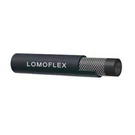
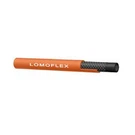


Preventing kinking in twin welding hoses is crucial for ensuring the efficiency, safety, and longevity of welding operations. As a reliable twin welding hose vendor, we understand the challenges that welders face due to kinked hoses, and we're here to share expert insights and practical solutions to keep your hoses in optimal condition.


Understanding the Causes of Kinking
Kinking in twin welding hoses can stem from various factors, each of which needs to be addressed to prevent this common issue. One primary cause is improper handling during storage and transportation. When hoses are coiled too tightly or haphazardly, they are more prone to developing kinks. Additionally, sharp bends and sudden twists in the hoses during use can lead to kinking, especially if the hoses are not flexible enough to accommodate such movements.
Another contributing factor is the quality of the hoses themselves. Inferior materials or poor manufacturing processes can result in hoses that are less resistant to kinking. For instance, hoses with a low-grade outer layer may not have the necessary durability to withstand repeated bending and flexing, making them more likely to kink.
Choosing the Right Twin Welding Hoses
Selecting high-quality twin welding hoses is the first step in preventing kinking. Look for hoses that are made from premium materials, such as [mention specific high-quality materials]. These materials offer better flexibility, durability, and resistance to kinking compared to lower-grade alternatives.
It's also important to consider the diameter and length of the hoses. Choosing the appropriate diameter ensures proper gas flow, while the right length prevents excessive slack that can lead to tangling and kinking. As a twin welding hose provider, we offer a wide range of hoses with different diameters and lengths to meet the specific needs of your welding operations.
Proper Storage and Handling
Correct storage and handling practices play a significant role in preventing kinking. When not in use, hoses should be stored in a clean, dry, and well-ventilated area. Avoid storing hoses on rough surfaces or in direct sunlight, as this can cause damage to the hose material and increase the risk of kinking.
When coiling the hoses for storage or transportation, use a proper coiling technique. Start by laying the hose out straight and then coil it evenly in a circular motion, making sure to avoid tight turns or twists. If possible, use a hose reel or a storage rack to keep the hoses organized and prevent them from becoming tangled.
Using Hose Protectors and Guides
Hose protectors and guides are valuable accessories that can help prevent kinking. Hose protectors, such as braided sleeves or spiral wraps, provide an extra layer of protection for the hoses, reducing the risk of damage from abrasion, cuts, and kinking. These protectors are typically made from durable materials, such as nylon or polyurethane, and can be easily installed over the hoses.
Hose guides, on the other hand, are designed to keep the hoses in place and prevent them from moving or tangling during use. They can be attached to the welding equipment or workbench using clamps or brackets, and they help to maintain a smooth and continuous flow of the hoses.
Regular Inspections and Maintenance
Regular inspections and maintenance are essential for identifying and addressing potential kinking issues before they become serious problems. Inspect the hoses for signs of wear, damage, or kinking on a regular basis, and replace any hoses that show significant wear or damage.
Clean the hoses regularly to remove any dirt, debris, or welding spatter that may accumulate on the surface. This not only helps to prevent kinking but also extends the lifespan of the hoses. Additionally, check the fittings and connectors for tightness and proper alignment, as loose or misaligned fittings can cause the hoses to kink or leak.
Training and Education
Proper training and education are key to preventing kinking in twin welding hoses. Ensure that all welders and operators are trained on the correct handling, storage, and maintenance of the hoses. Provide them with clear instructions and guidelines on how to prevent kinking, and encourage them to report any issues or concerns immediately.
By investing in training and education, you can help to ensure that your welding operations run smoothly and safely, while also reducing the risk of downtime and equipment damage caused by kinked hoses.
Conclusion
Preventing kinking in twin welding hoses is essential for maintaining the efficiency, safety, and longevity of your welding operations. By understanding the causes of kinking, choosing the right hoses, implementing proper storage and handling practices, using hose protectors and guides, conducting regular inspections and maintenance, and providing training and education, you can significantly reduce the risk of kinking and ensure that your hoses perform at their best.
As a leading twin welding hose supplier, we are committed to providing our customers with high-quality hoses and expert advice on how to prevent kinking. If you have any questions or need further assistance, please don't hesitate to [mention the way to contact for procurement discussion, e.g., reach out to our sales team]. We look forward to helping you achieve optimal performance and safety in your welding operations.
References
- [List relevant industry standards, technical documents, or books related to welding hoses and kinking prevention]
- [If applicable, mention any internal research or case studies conducted by your company]