

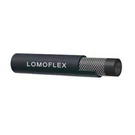
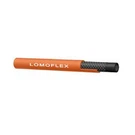


Hey there! I'm a supplier of rubber hoses, and while I'm super proud of the products we offer, it's only fair to talk about the other side of the coin. Let's dive into the disadvantages of using a rubber hose.
Durability Issues
One of the major drawbacks of rubber hoses is their limited lifespan. Over time, rubber can degrade due to various factors. Exposure to sunlight is a big culprit. UV rays can cause the rubber to become brittle and crack. I've seen it happen many times with hoses left out in the open for extended periods. For example, if you have a Rubber Water Hose lying in your backyard, the sun's rays can gradually break down the rubber molecules, weakening the hose.
Extreme temperatures also take a toll on rubber hoses. In cold weather, rubber becomes stiff and loses its flexibility. This makes it more prone to cracking when bent or moved. On the other hand, in hot weather, rubber can become soft and expand, which might lead to leaks. I remember a customer who had a Lpg Hose in a high - temperature environment. The hose started to bulge and eventually developed a small leak, which could have been a serious safety hazard.
Chemical Compatibility
Rubber hoses may not be suitable for all types of chemicals. Different rubbers have different chemical resistances. For instance, if you use a regular rubber hose to transfer Fuel Oil Hose, the fuel can react with the rubber. Some fuels contain solvents that can dissolve or swell the rubber, leading to a breakdown of the hose. This not only affects the performance of the hose but can also contaminate the fuel. I've had customers who unknowingly used the wrong type of hose for a chemical transfer and ended up with a mess.
Cost
Rubber hoses can be relatively expensive compared to some other types of hoses. The manufacturing process of rubber hoses involves several steps, including compounding the rubber, extruding it into the desired shape, and adding reinforcement layers. All these processes add to the cost. Additionally, the quality of rubber used can also affect the price. High - quality rubber that offers better resistance to various factors will cost more. So, if you're on a tight budget, rubber hoses might not be the most cost - effective option.
Weight
Rubber hoses tend to be heavier than some alternative materials. This can be a problem, especially if you need to move the hose around frequently. For example, if you're using a long rubber water hose for gardening, carrying it from one end of the yard to the other can be a bit of a hassle. The weight can also put more strain on the connections, increasing the risk of leaks or disconnections.
Maintenance
Maintaining rubber hoses requires some effort. You need to keep them clean to prevent the buildup of dirt, debris, and chemicals. If not cleaned regularly, these substances can accelerate the degradation of the rubber. Also, you need to store the hoses properly when not in use. Coiling them correctly and keeping them in a cool, dry place can help extend their lifespan. But let's face it, not everyone has the time or knowledge to do all these maintenance tasks.
Limited Pressure Resistance
Rubber hoses have a limited pressure - bearing capacity. If you try to use a rubber hose in a high - pressure application beyond its rated capacity, it can burst. This is a serious safety concern, especially in industrial settings. For example, in a hydraulic system, if a rubber hose fails due to over - pressure, it can cause damage to equipment and pose a risk to workers.
Environmental Impact
The production and disposal of rubber hoses can have a negative impact on the environment. The manufacturing process of rubber involves the use of various chemicals and energy, which can contribute to pollution. When rubber hoses reach the end of their life, they can take a long time to decompose in landfills. This adds to the growing problem of waste management.
Installation Challenges
Installing rubber hoses can be tricky. They need to be properly cut to the right length, and the connections need to be secure. If the hose is not installed correctly, it can lead to leaks. For example, if the fittings are not tightened properly, the hose may come loose under pressure. And getting the right size and type of fittings can also be a bit of a headache.


Despite all these disadvantages, rubber hoses still have their place in many applications. They offer good flexibility, are relatively easy to handle in some cases, and can be customized to meet specific needs. At our company, we take pride in providing high - quality rubber hoses that are designed to minimize these drawbacks as much as possible.
If you're in the market for rubber hoses and want to discuss your requirements, feel free to reach out. We can help you choose the right type of hose for your application and ensure that you get the best value for your money.
References
- "The Handbook of Rubber Science and Technology"
- "Industrial Hoses: Design, Selection, and Use"