

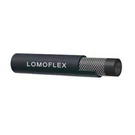
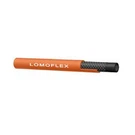


As a seasoned supplier in the rubber hose industry, I've encountered numerous inquiries regarding the air - pressure rating for pneumatic rubber hoses. Understanding this crucial specification is essential for ensuring the safe and efficient operation of pneumatic systems.
What is Air - Pressure Rating?
The air - pressure rating of a pneumatic rubber hose represents the maximum pressure that the hose can withstand during normal operation. It is usually specified in units such as pounds per square inch (psi), bar, or pascals (Pa). Exceeding this rating can lead to hose failure, which may result in leaks, bursts, and even pose safety hazards to operators and surrounding equipment.
Several factors influence the air - pressure rating of a pneumatic rubber hose. The material composition of the hose is one of the most significant factors. High - quality synthetic rubbers, such as nitrile rubber (NBR) and ethylene propylene diene monomer (EPDM), are commonly used in the production of pneumatic hoses due to their excellent resistance to pressure, abrasion, and chemicals. These materials can maintain their structural integrity under high - pressure conditions, allowing the hose to achieve a higher air - pressure rating.
The construction of the hose also plays a vital role. Reinforcement layers are added to enhance the hose's strength and pressure - bearing capacity. The most common types of reinforcement include textile braids, spirals, and steel wire braids. Textile - reinforced hoses are suitable for low - to medium - pressure applications, while steel wire - reinforced hoses can handle much higher pressures, often up to thousands of psi.
Importance of Correct Air - Pressure Rating
Using a pneumatic rubber hose with an appropriate air - pressure rating is of utmost importance. When the operating pressure exceeds the hose's rating, the likelihood of a hose failure increases significantly. A burst hose can release a sudden and powerful stream of compressed air, which may cause physical harm to nearby workers, damage equipment, and disrupt operations.
On the other hand, choosing a hose with a much higher air - pressure rating than necessary can lead to unnecessary costs. Higher - rated hoses are often more expensive and may have additional features that are not required for the specific application. Therefore, it is crucial to accurately determine the required air - pressure for the pneumatic system and select a hose that meets this requirement.
Determining the Required Air - Pressure Rating
To determine the appropriate air - pressure rating for a pneumatic rubber hose, you need to consider the maximum pressure that the system will generate. This information can usually be obtained from the equipment manufacturer or the system design documentation. It is also important to account for any pressure spikes or surges that may occur during operation. These transient pressures can be significantly higher than the normal operating pressure and should be factored into the selection of the hose.
In addition to the maximum pressure, you should also consider the temperature range in which the hose will operate. High temperatures can reduce the strength of the rubber and the reinforcement materials, thereby lowering the air - pressure rating of the hose. In contrast, extremely low temperatures can make the rubber brittle and more prone to cracking. Therefore, it is essential to choose a hose that is rated for the specific temperature range of the application.
Our Range of Pneumatic Rubber Hoses
At our company, we offer a wide range of pneumatic rubber hoses with varying air - pressure ratings to meet the diverse needs of our customers. Our hoses are manufactured using high - quality materials and advanced production techniques to ensure superior performance and durability.
For example, our Twin Welding Hose is designed for welding applications where a reliable supply of gas is required. It has a suitable air - pressure rating to handle the pressures associated with welding operations, and it is resistant to heat, abrasion, and chemicals.
Our Fuel Oil Hose is another popular product. It is designed to transfer fuel oil in industrial and automotive applications. This hose has a specific air - pressure rating that is suitable for the safe transfer of fuel oil, and it is also resistant to oil and other petroleum - based products.


If you are in need of a hose for water transfer, our Rubber Water Hose is an excellent choice. It has an appropriate air - pressure rating for water systems and is resistant to kinking and abrasion, ensuring a long service life.
Guidance on Hose Selection and Maintenance
When selecting a pneumatic rubber hose, it is advisable to consult with our experienced team. We can provide you with detailed information about the air - pressure ratings, material properties, and application suitability of our hoses. We understand that every customer's needs are unique, and we are committed to helping you choose the best hose for your specific requirements.
Proper maintenance of the pneumatic rubber hose is also crucial for ensuring its long - term performance. Regularly inspect the hose for signs of wear, such as cracks, abrasions, or bulges. Replace the hose immediately if any damage is detected. Additionally, make sure to store the hose in a cool, dry place away from direct sunlight and chemicals to prevent premature degradation.
Contact Us for Your Pneumatic Rubber Hose Needs
If you are in the market for high - quality pneumatic rubber hoses, we invite you to contact us for a detailed discussion. Our team of experts is ready to provide you with professional advice, product samples, and competitive pricing. Whether you need a single hose for a small project or a large quantity for an industrial application, we have the resources and expertise to meet your needs.
References
- "Handbook of Pneumatic Systems", Industrial Press Inc.
- "Rubber Technology: Compounding, Testing, and Applications", William Andrew Publishing