

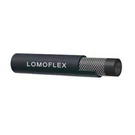
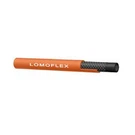


Hey there! As a supplier of rubber air hoses, I often get asked about the chemical resistance of these hoses. It's a super important topic, especially for folks who need to use these hoses in various industrial or commercial settings. So, let's dive into what chemical resistance means for a rubber air hose.
First off, what exactly is chemical resistance? Well, it's the ability of a material - in this case, the rubber in our air hoses - to withstand the effects of different chemicals without getting damaged or losing its functionality. When a rubber air hose has good chemical resistance, it can be used in environments where it might come into contact with various substances, like oils, solvents, acids, and alkalis, without breaking down.
There are a few factors that can affect the chemical resistance of a rubber air hose. One of the main ones is the type of rubber used. Different types of rubber have different molecular structures, which give them varying levels of resistance to different chemicals. For example, nitrile rubber is known for its excellent resistance to oils and fuels. If you're in an industry where your hoses are likely to come into contact with oil, like in automotive repair or oil refineries, a nitrile rubber air hose would be a great choice. You can check out our Fuel Oil Hose for more details on hoses designed for such applications.
On the other hand, EPDM rubber is highly resistant to weathering, ozone, and many chemicals, including acids and alkalis. This makes it a good option for outdoor applications or in industries where exposure to these types of chemicals is common. If you need a hose for a water - related application where there might be some chemical additives in the water, our Rubber Water Hose made with EPDM rubber could be just what you're looking for.
Another factor is the concentration of the chemical. Even a rubber with good chemical resistance might not hold up well if it's exposed to a very high - concentration chemical for a long time. For instance, a mild acid solution might not cause much damage to a hose with moderate acid resistance, but a concentrated acid could quickly degrade the rubber.
The temperature also plays a role. Higher temperatures can increase the rate of chemical reactions, which means that a rubber air hose might be more vulnerable to chemical attack when it's hot. So, if you're using the hoses in a high - temperature environment, you need to make sure the rubber is rated for that temperature range and has sufficient chemical resistance.
Now, let's talk about how we test the chemical resistance of our rubber air hoses. We conduct a series of laboratory tests where we expose samples of the rubber to different chemicals for a set period. We measure things like changes in weight, volume, hardness, and tensile strength. If the rubber doesn't change much after these tests, it means it has good chemical resistance.
But it's not just about passing the lab tests. We also take real - world applications into account. We talk to our customers, understand their needs, and make sure our hoses can perform in their specific working conditions. For example, if you're working in the liquefied petroleum gas (LPG) industry, you need a hose that can handle the specific chemicals and conditions associated with LPG. That's why we offer a Lpg Hose that is designed and tested to meet the high - standards required for LPG applications.
When you're choosing a rubber air hose based on chemical resistance, it's important to be clear about what chemicals your hose will be exposed to. You should also consider the frequency and duration of exposure. If it's a one - time or occasional exposure, you might be able to get away with a hose with moderate chemical resistance. But for continuous exposure, you'll need a hose that's built to last.
It's also a good idea to look at the overall quality of the hose. A well - made hose with good chemical resistance will have a proper inner lining, reinforcement layer, and outer cover. The inner lining is the part that comes into direct contact with the chemicals, so it needs to be made of the right type of rubber. The reinforcement layer provides strength and prevents the hose from bursting under pressure, and the outer cover protects the hose from external damage, like abrasion and weathering.
In addition to chemical resistance, you should also think about other factors like flexibility, pressure rating, and length. A hose that's too stiff might be difficult to maneuver, and one with a low pressure rating won't be suitable for high - pressure applications.


As a supplier, we're always here to help you choose the right rubber air hose. We have a team of experts who can answer your questions and provide you with the best advice based on your specific needs. Whether you're a small business owner looking for a hose for a simple workshop or a large industrial company in need of high - performance hoses, we've got you covered.
If you're interested in learning more about our rubber air hoses or have any questions about chemical resistance, don't hesitate to reach out. We're happy to have a chat and discuss how our products can meet your requirements. Let's work together to find the perfect rubber air hose for your application!
References:
- Handbook of Elastomers, Second Edition, Edited by Moses Morton
- Rubber Technology, Third Edition, Edited by Maurice Morton