

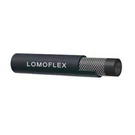
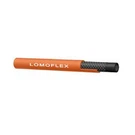


When it comes to the world of industrial hoses, the suction and discharge water hose stands as a vital component in various applications. Whether it's for agricultural irrigation, construction site dewatering, or industrial water transfer, understanding the flow rate of these hoses is crucial for efficient and effective operations. As a supplier of Suction and Discharge Water Hose, I am often asked about the factors that influence flow rate and how to select the right hose for the job. In this blog post, I will delve into the details of flow rate, explore the key factors that affect it, and provide some practical tips for choosing the appropriate suction and discharge water hose for your specific needs.
Understanding Flow Rate
Flow rate refers to the volume of fluid that passes through a given cross - sectional area of a hose per unit of time. It is typically measured in units such as gallons per minute (GPM) or liters per second (L/s). The flow rate of a suction and discharge water hose is determined by a combination of factors, including the hose diameter, the pressure applied, the viscosity of the fluid, and the length and roughness of the hose.
Factors Affecting Flow Rate
Hose Diameter
One of the most significant factors influencing flow rate is the diameter of the hose. According to the principles of fluid mechanics, the flow rate is proportional to the square of the hose diameter. In simple terms, a larger - diameter hose can carry more water than a smaller - diameter one. For example, if you double the diameter of a hose, the flow rate can increase by a factor of four, assuming all other factors remain constant. This is because a wider hose provides a larger cross - sectional area for the water to flow through, reducing resistance and allowing for a higher volume of water to pass.
Pressure
Pressure is another critical factor that affects flow rate. The pressure difference between the suction and discharge ends of the hose creates the driving force for water to move through the hose. The greater the pressure difference, the higher the flow rate. In practical applications, pumps are often used to create the necessary pressure to move water. However, it's important to note that the hose must be rated to handle the pressure applied. Exceeding the pressure rating of the hose can lead to leaks, bursts, and other safety hazards.
Fluid Viscosity
The viscosity of the fluid being transferred also plays a role in determining the flow rate. Water is a relatively low - viscosity fluid, which means it flows easily through hoses. However, if the fluid contains suspended solids or has a higher viscosity, such as an oil - water mixture, the flow rate will be reduced. This is because more energy is required to move a more viscous fluid through the hose, and the internal resistance of the fluid increases. When dealing with high - viscosity fluids, it may be necessary to use a larger - diameter hose or increase the pressure to maintain an adequate flow rate.
Hose Length and Roughness
The length and internal roughness of the hose can affect flow rate. A longer hose creates more friction, which reduces the flow rate. Additionally, a hose with a rough inner surface will also increase friction and impede the flow of water. When selecting a suction and discharge water hose, it's important to choose the shortest length possible while still meeting the requirements of your application. Smooth - bore hoses are generally preferred over rough - bore hoses for better flow performance.
Calculating Flow Rate
Calculating the exact flow rate of a suction and discharge water hose can be complex, as it involves multiple variables. However, there are some simplified formulas and methods that can be used for estimation. One common formula is the Darcy - Weisbach equation, which takes into account the hose diameter, length, friction factor, and pressure difference. For most practical applications, manufacturers provide flow rate charts for their hoses based on standard test conditions. These charts can be used as a guide to estimate the flow rate for a given hose size and pressure.
Selecting the Right Suction and Discharge Water Hose
When choosing a suction and discharge water hose, it's important to consider the specific requirements of your application. Here are some key points to keep in mind:


Determine the Required Flow Rate
First, calculate or estimate the flow rate needed for your application. Consider factors such as the volume of water to be transferred, the time available for transfer, and the pressure available from your pump. This will help you determine the appropriate hose diameter.
Consider the Operating Pressure
Ensure that the hose you select is rated to handle the maximum pressure that will be applied during operation. Exceeding the pressure rating can lead to serious safety issues and premature hose failure.
Evaluate the Fluid Compatibility
If you are transferring water with contaminants or chemicals, make sure the hose is compatible with the fluid. Some hoses are designed to resist specific chemicals or abrasives, while others are suitable for general - purpose water transfer.
Think About the Hose Length
As mentioned earlier, keep the hose length as short as possible to minimize friction and maintain an adequate flow rate. However, make sure the length is sufficient to reach the required distance.
Other Considerations for Suction and Discharge Hoses
In addition to Suction and Discharge Water Hose, we also offer Suction and Discharge Oil Hose for applications involving the transfer of oil and other petroleum - based products. These hoses are designed to be resistant to the chemical properties of oil and to handle the specific pressures and flow requirements of oil transfer.
Conclusion
Understanding the flow rate of a suction and discharge water hose is essential for ensuring efficient and reliable water transfer in various industrial and commercial applications. By considering factors such as hose diameter, pressure, fluid viscosity, and hose length, you can select the right hose for your needs. As a supplier of high - quality suction and discharge hoses, we are committed to providing our customers with the best products and technical support. If you have any questions about flow rate, hose selection, or any other aspect of our products, please feel free to reach out to us for a detailed discussion. We are here to help you make the right choice for your specific application.
References
- Crane, D. S. (1988). Flow of Fluids Through Valves, Fittings, and Pipe. Technical Paper No. 410M, Crane Co.
- Munson, B. R., Young, D. F., & Okiishi, T. H. (2009). Fundamentals of Fluid Mechanics. Wiley.