

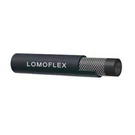
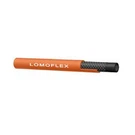


A twin welding hose is a crucial component in welding operations, facilitating the safe and efficient delivery of gases such as oxygen and acetylene to the welding torch. However, due to the harsh working conditions in welding environments, these hoses can sometimes get damaged. As a twin welding hose supplier, I understand the importance of maintaining the integrity of these hoses. In this blog, I will guide you through the process of replacing a damaged section of a twin welding hose.
Step 1: Safety First
Before you start any work on the twin welding hose, safety should be your top priority. First, turn off the gas supply at the source. This is essential to prevent any potential gas leaks or explosions. Make sure the welding equipment is completely powered down. Wear appropriate personal protective equipment (PPE), including safety glasses, gloves, and flame - resistant clothing. This will protect you from any potential hazards during the replacement process.
Step 2: Identify the Damaged Section
Carefully inspect the twin welding hose to locate the damaged area. Look for signs of cuts, abrasions, cracks, or bulges. These can be caused by sharp objects, excessive bending, or long - term wear and tear. Once you have identified the damaged section, mark it clearly with a marker or tape. This will help you accurately measure the length of the section that needs to be replaced.
Step 3: Gather the Necessary Tools and Materials
To replace the damaged section of the twin welding hose, you will need the following tools and materials:
- A sharp utility knife or hose cutter: This is used to cut the damaged section of the hose cleanly.
- Replacement hose: Make sure the replacement hose is of the same type and size as the original twin welding hose. You can find high - quality replacement hoses from us, your trusted twin welding hose supplier.
- Hose clamps: These are used to secure the replacement hose to the existing hose sections.
- A wire brush: To clean the ends of the existing hose sections before attaching the replacement hose.
Step 4: Cut Out the Damaged Section
Using the sharp utility knife or hose cutter, carefully cut out the marked damaged section of the twin welding hose. Make sure to cut straight across the hose to ensure a proper fit for the replacement section. Remove the damaged section completely and set it aside.
Step 5: Prepare the Ends of the Existing Hose Sections
Use the wire brush to clean the ends of the existing hose sections. This will remove any dirt, debris, or oxidation that could prevent a good seal between the existing hose and the replacement hose. After cleaning, wipe the ends of the hose sections with a clean, dry cloth.
Step 6: Attach the Replacement Hose
Slide a hose clamp onto each end of the replacement hose. Then, insert the ends of the replacement hose into the cleaned ends of the existing hose sections. Make sure the replacement hose is inserted fully and aligned properly. Tighten the hose clamps using a screwdriver or a pair of pliers. Ensure that the clamps are tightened firmly enough to prevent any gas leaks but not so tight that they damage the hose.
Step 7: Inspect the Connection
Once the replacement hose is attached, carefully inspect the connection points. Look for any signs of misalignment or gaps. Check the tightness of the hose clamps to ensure they are secure. If you notice any issues, make the necessary adjustments before proceeding.
Step 8: Pressure Test the Hose
After the replacement is complete, it is important to perform a pressure test on the twin welding hose. Turn on the gas supply at a low pressure and check for any gas leaks at the connection points. You can use a soapy water solution to detect leaks. Apply the soapy water to the connection points, and if you see bubbles forming, it indicates a gas leak. In such a case, tighten the hose clamps further or re - check the alignment of the replacement hose.
Step 9: Final Checks
Once the pressure test is successful and there are no gas leaks, perform a final visual inspection of the entire twin welding hose. Make sure there are no kinks or bends in the hose that could restrict the flow of gases. Check that all connections are secure and that the hose is properly installed.
Why Choose Our Twin Welding Hoses
As a leading twin welding hose supplier, we offer a wide range of high - quality twin welding hoses. Our hoses are made from durable materials that can withstand the rigors of welding operations. We also provide excellent customer service and technical support to ensure that you get the right hose for your specific needs.


In addition to twin welding hoses, we also supply other types of industrial hoses such as Rubber Water Hose, Rubber Air Hose, and Oxygen Acetylene Hose. These hoses are designed to meet the highest industry standards and are suitable for a variety of applications.
If you are in need of a twin welding hose or any other industrial hoses, we encourage you to contact us for a purchase consultation. Our team of experts will be happy to assist you in selecting the right product for your requirements. Whether you are a small - scale welder or a large industrial enterprise, we have the solutions to meet your needs.
References
- Welding Equipment Handbook: A comprehensive guide to welding equipment and accessories.
- Industrial Hose Standards and Specifications: Published by industry regulatory bodies.
- Safety Guidelines for Welding Operations: Issued by safety organizations.