



As a special hydraulic hose supplier, I've been getting a lot of questions lately about the compatibility of our hoses with different hydraulic fluids. It's a super important topic, so I thought I'd break it down for you all.
First off, let's talk about why compatibility matters. Hydraulic fluids are the lifeblood of hydraulic systems. They transfer power, lubricate components, and dissipate heat. If your hydraulic hose isn't compatible with the fluid it's carrying, it can lead to all sorts of problems. For instance, the hose could start to degrade, swell, or even leak. This not only affects the performance of your hydraulic system but can also pose safety risks.
Now, onto the nitty - gritty. There are several types of hydraulic fluids out there, and each has its own set of characteristics. The most common ones include mineral oil - based fluids, synthetic fluids, and water - based fluids.
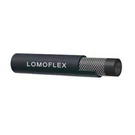
Mineral oil - based fluids are probably the most widely used in hydraulic systems. They're relatively inexpensive, have good lubricating properties, and offer decent temperature stability. Most of our special hydraulic hoses are well - suited for these types of fluids. For example, our Sae100 R7 Thermoplastic Hose has an inner tube that's resistant to the chemical properties of mineral oil. This means it won't break down easily when in contact with the fluid, and you can expect a long service life.
However, you do need to be careful about the additives in the mineral oil. Some extreme - pressure additives or anti - wear agents can be a bit more aggressive. That's why we always recommend double - checking the specific requirements of your system. Our team of experts can also help you determine if a particular hose is the right fit for your mineral - oil hydraulic fluid.
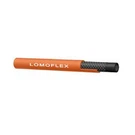
Synthetic fluids are another popular option. They offer better performance in extreme temperatures, whether it's really hot or freezing cold. They also have a higher resistance to oxidation and can extend the life of your hydraulic components. Our Sae100 R8 Thermoplastic Hose is a great choice for synthetic fluids. The thermoplastic material used in its construction can withstand the unique chemical makeup of synthetic hydraulic fluids. It won't crack or become brittle over time, even when exposed to the harsh conditions that synthetic fluids can handle.
But here's the thing with synthetic fluids: they can be more expensive than mineral oil - based ones. And not all hoses are compatible. Some hoses may not be able to handle the high - performance characteristics of synthetic fluids, which is why it's crucial to choose the right one.
Water - based fluids are often used in applications where fire resistance is a major concern, like in industries where there's a high risk of fire. These fluids can be further divided into water - glycol mixtures and high - water - content fluids. When it comes to water - based fluids, compatibility becomes even more of a challenge. The water in these fluids can cause corrosion in some hoses if the inner tube isn't properly designed.
Our special hydraulic hoses are engineered to resist corrosion from water - based fluids. We use special materials for the inner tube that can repel water and prevent rusting. However, it's important to note that the operating pressure and temperature limits for hoses used with water - based fluids may be different compared to those used with mineral oil or synthetic fluids.


When you're choosing a hydraulic hose for your specific fluid, there are a few factors you should keep in mind. First, look at the chemical composition of the fluid. Check for any additives or special properties that could affect the hose. Second, consider the operating conditions of your hydraulic system, such as temperature, pressure, and flow rate. These factors can all impact the performance and compatibility of the hose.
We've spent years researching and developing our special hydraulic hoses to ensure they're compatible with a wide range of hydraulic fluids. Our testing facilities are top - notch, and we subject our hoses to rigorous tests to make sure they meet the highest standards of quality and compatibility.
If you're still not sure which hose is right for your hydraulic fluid, don't hesitate to reach out. Our sales team is always ready to answer your questions and help you make the best decision. Whether you're running a small - scale hydraulic system or a large industrial operation, we've got the right hose for you.
In conclusion, understanding the compatibility of your special hydraulic hose with different hydraulic fluids is key to the smooth and safe operation of your hydraulic system. By choosing the right hose and taking into account the unique properties of your fluid, you can avoid costly downtime and ensure the longevity of your equipment.
If you're in the market for a special hydraulic hose, get in touch with us for a detailed discussion about your needs. We're confident that we can provide you with the perfect solution for your hydraulic fluid compatibility requirements.
References:
- Hydraulic Fluid Handbook: A Guide to Understanding and Selecting Hydraulic Fluids
- Hose Manufacturer's Technical Manuals on Compatibility with Different Fluids