

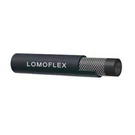
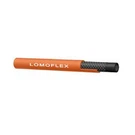


The lifespan of an industrial hose assembly is a critical consideration for businesses across various sectors. As a seasoned supplier of industrial hose assemblies, I've witnessed firsthand the impact that hose longevity can have on operational efficiency, safety, and cost - effectiveness. In this blog, we'll delve into the factors that influence the lifespan of an industrial hose assembly, typical lifespans for different types, and how to maximize their service life.

Factors Influencing the Lifespan of Industrial Hose Assemblies
1. Material Quality
The quality of materials used in the construction of an industrial hose assembly is paramount. Hoses can be made from a variety of materials such as rubber, thermoplastics, and metal. High - grade materials are more resistant to abrasion, corrosion, and chemical damage. For instance, a hose made from synthetic rubber with excellent ozone and weather resistance will last longer in outdoor applications compared to a lower - quality natural rubber hose. When we select materials for our hose assemblies, we always aim for the highest standards to ensure long - term performance.
2. Operating Conditions
The environment in which the hose operates significantly affects its lifespan. Temperature extremes, whether hot or cold, can cause the hose material to degrade over time. High - temperature environments may cause the hose to become brittle, while cold temperatures can make it stiff and more prone to cracking. Additionally, exposure to chemicals, UV radiation, and abrasive substances can also shorten the hose's life. For example, a hose used in a chemical processing plant that is constantly exposed to harsh acids or alkalis will need to be made from a chemically resistant material and may have a shorter lifespan compared to a hose used in a less aggressive environment.
3. Pressure and Flow Rates
The pressure and flow rates within the hose are crucial factors. Exceeding the recommended pressure rating of a hose can lead to premature failure. High - pressure applications put more stress on the hose walls, increasing the risk of leaks, bursts, or delamination. Similarly, extremely high flow rates can cause erosion inside the hose, wearing it down over time. Our hose assemblies are designed with specific pressure and flow ratings, and we always advise our customers to operate within these limits to ensure optimal performance and longevity.
4. Installation and Maintenance
Proper installation is essential for the long - term health of an industrial hose assembly. Incorrect installation, such as kinking the hose or using improper fittings, can create weak points and lead to early failure. Regular maintenance, including inspection for signs of wear, tear, and damage, is also vital. Simple tasks like cleaning the hose, checking for leaks, and replacing worn - out components can significantly extend its lifespan. We provide detailed installation and maintenance guides to our customers to help them get the most out of our products.
Typical Lifespans of Different Types of Industrial Hose Assemblies
1. Hydraulic Hoses
Hydraulic hoses are commonly used in heavy machinery and equipment. Under normal operating conditions, a well - maintained hydraulic hose can last anywhere from 2 to 5 years. However, in high - stress applications with frequent pressure spikes and high - temperature environments, the lifespan may be reduced to 1 to 2 years. These hoses are subject to constant flexing and high - pressure pulses, which can cause the internal reinforcement layers to fatigue over time.
2. Chemical Transfer Hoses
Chemical transfer hoses are designed to handle a wide range of chemicals. Their lifespan depends on the type of chemical being transferred and the material of the hose. In general, a chemical - resistant hose used in a relatively mild chemical environment may last 3 to 5 years. But when dealing with highly corrosive chemicals, the hose may need to be replaced every 1 to 2 years.
3. Air Hose Assembly
Air hose assemblies are used in pneumatic systems for applications such as air tools and air compressors. A good - quality air hose assembly can last 5 to 10 years under normal use. However, if the hose is exposed to rough handling, abrasion, or extreme temperatures, its lifespan may be shortened. Regular inspection for leaks and damage is important to ensure the continued performance of air hoses.
Maximizing the Lifespan of Industrial Hose Assemblies
1. Select the Right Hose
Choosing the appropriate hose for the specific application is the first step in maximizing its lifespan. Consider factors such as the type of fluid or gas being transferred, the operating pressure and temperature, and the environmental conditions. Our team of experts can assist customers in selecting the most suitable hose assembly based on their unique requirements.
2. Follow Installation Guidelines
Proper installation is key. Make sure to follow the manufacturer's installation instructions carefully. Use the correct fittings, ensure proper alignment, and avoid kinking or bending the hose beyond its recommended radius.
3. Implement a Maintenance Program
Establish a regular maintenance schedule for your industrial hose assemblies. This includes visual inspections, pressure testing, and cleaning. Replace any damaged or worn - out components promptly to prevent further damage.
4. Train Your Staff
Ensure that your employees are trained in the proper use, installation, and maintenance of industrial hose assemblies. This will help prevent misuse and ensure that the hoses are treated correctly throughout their service life.
Conclusion
The lifespan of an industrial hose assembly is influenced by multiple factors, including material quality, operating conditions, pressure and flow rates, and installation and maintenance. By understanding these factors and taking appropriate measures to maximize the lifespan of your hoses, you can improve operational efficiency, reduce downtime, and save on replacement costs.
As a trusted supplier of industrial hose assemblies, we are committed to providing high - quality products and excellent customer service. If you are in the market for industrial hose assemblies or need advice on extending the lifespan of your existing hoses, we invite you to contact us for a detailed discussion and to explore our wide range of products. Our team of experts is ready to assist you in finding the best solutions for your specific needs.
References
- "Industrial Hose Handbook" - A comprehensive guide on industrial hoses and their applications.
- Manufacturer's specifications and technical data sheets for various industrial hose assemblies.