

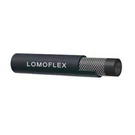



What is the temperature range for a car coolant rubber hose?
As a well - versed rubber hose supplier in the industry, I've had countless discussions with clients about various types of rubber hoses, and one topic that frequently arises is the temperature range for car coolant rubber hoses. Understanding this temperature range is crucial for ensuring the proper functioning and longevity of a vehicle's cooling system.
The Basics of Car Coolant Rubber Hoses
Car coolant rubber hoses play a vital role in the engine's cooling system. They are responsible for transporting coolant between different components such as the radiator, engine, and heater core. The coolant helps to regulate the engine's temperature, preventing it from overheating, which can lead to severe engine damage.
Ideal Temperature Range
The temperature range for most standard car coolant rubber hoses typically lies between -40°F (-40°C) to 257°F (125°C). This wide range is designed to accommodate the various operating conditions that a vehicle may encounter.
In colder climates, the hose needs to remain flexible even at extremely low temperatures. If the hose becomes too rigid, it can crack or break, leading to coolant leaks. For example, in regions where the winter temperatures can drop well below freezing, the -40°F lower limit ensures the hoses can withstand these harsh conditions without failing.
On the other hand, the upper limit of 257°F is set to handle the high temperatures generated by the engine during normal operation. When the engine is running, it produces a significant amount of heat, and the coolant absorbs this heat. The coolant rubber hoses need to be able to transfer this hot coolant efficiently without degrading.
Factors Affecting the Temperature Range
Several factors can influence the actual temperature range that a car coolant rubber hose can withstand:
- Material Composition: Different rubber compounds are used to manufacture coolant hoses. Some materials offer better heat resistance, while others are more flexible in cold conditions. For instance, EPDM (Ethylene Propylene Diene Monomer) rubber is a popular choice due to its excellent heat resistance and durability. It can often handle higher temperatures compared to some other rubber materials, pushing the upper temperature limit closer to 284°F (140°C) in some cases.
- Reinforcement: Hoses are often reinforced with materials like nylon or polyester to improve their strength and pressure - bearing capacity. Reinforcement can also have an impact on the temperature range. A well - reinforced hose may be better able to handle high - pressure and high - temperature situations without bursting or collapsing.
- Exposure to Chemicals: Coolants contain various chemicals that can affect the rubber hose over time. Some chemicals may cause the rubber to swell or degrade, reducing its ability to withstand extreme temperatures. It's important to use hoses that are compatible with the specific type of coolant used in the vehicle.
Importance of Staying within the Temperature Range
Staying within the recommended temperature range is essential for the safety and reliability of the vehicle. If the temperature exceeds the upper limit, the rubber can start to break down. This can lead to softening, cracking, or even melting of the hose. A damaged hose can result in coolant leaks, which can cause the engine to overheat and potentially lead to costly repairs.
Conversely, if the temperature drops below the lower limit, the hose may become brittle and crack. A cracked hose can also cause coolant to leak, which can leave the engine without proper cooling.
Other Types of Rubber Hoses
In addition to car coolant rubber hoses, we also supply a wide range of other industrial rubber hoses, including Fuel Oil Hose, Twin Welding Hose, and Lpg Hose. Each type of hose has its own unique temperature range and application requirements.
Fuel oil hoses, for example, need to be able to handle the temperature of the fuel being transported. They are often designed to withstand a temperature range that is suitable for the specific type of fuel, which can vary depending on factors such as the ambient temperature and the temperature of the storage tank.
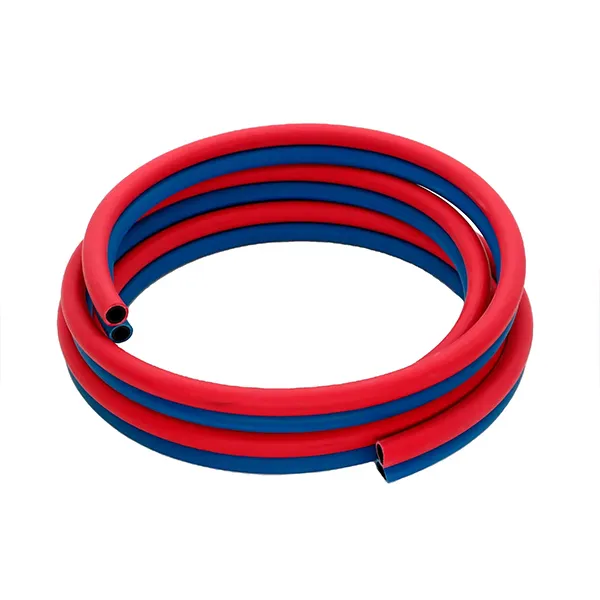
Twin welding hoses are used in welding applications, where they are responsible for transporting gases such as oxygen and acetylene. These hoses need to be able to handle the high - pressure and high - temperature conditions associated with welding processes.
Lpg hoses are used for transporting liquefied petroleum gas. They must be able to withstand the temperature and pressure changes that occur during the filling, storage, and use of the gas.
Quality Assurance and Testing
At our supply business, we take quality seriously. All of our car coolant rubber hoses and other industrial hoses undergo rigorous testing to ensure they meet or exceed industry standards. We test for temperature resistance, pressure resistance, chemical compatibility, and flexibility. By doing so, we can guarantee that our customers receive high - quality hoses that will perform reliably in various conditions.
Why Choose Our Rubber Hoses?
- Wide Temperature Range: Our car coolant rubber hoses are designed to cover a broad temperature spectrum, ensuring they can be used in a variety of climates and operating conditions.
- High - Quality Materials: We use only the best rubber compounds and reinforcement materials to manufacture our hoses. This ensures their durability and performance over an extended period.
- Customization: We understand that different customers may have different requirements. That's why we offer customization options for our hoses, including size, shape, and temperature range.
- Expert Support: Our team of experts is always available to provide technical support and advice. Whether you have a question about the temperature range of a particular hose or need help selecting the right hose for your application, we're here to assist you.
Contact Us for Procurement
If you're in the market for high - quality car coolant rubber hoses or any of our other industrial hoses, we invite you to contact us for procurement. Our commitment to providing the best products and services makes us the ideal partner for all your rubber hose needs. We look forward to discussing your requirements and helping you find the perfect solution.
References
- Automotive Cooling System Handbook.
- Rubber Hose Manufacturing and Application Guidelines.