



As a supplier of rubber hoses, I've often been asked about the potential use of our products in medical applications. This is a complex and critical topic, as the medical field has strict standards and requirements for the materials and equipment it uses. In this blog, I'll explore whether a rubber hose can be used for medical applications, considering various factors such as material properties, regulatory requirements, and the specific needs of the medical industry.
Material Properties of Rubber Hoses
Rubber hoses come in a variety of types, each with its own unique material properties. These properties play a crucial role in determining whether a rubber hose is suitable for medical use.
Chemical Resistance
Medical applications often involve the transfer of various chemicals, including drugs, disinfectants, and bodily fluids. A rubber hose used in medical settings must be resistant to these chemicals to prevent degradation, leaching, or contamination. For example, if a hose comes into contact with a strong disinfectant and is not chemically resistant, it may break down over time, releasing harmful substances into the medical environment.
Biocompatibility
Biocompatibility is perhaps the most important factor when considering using a rubber hose in medical applications. A biocompatible material is one that does not cause an adverse reaction when in contact with living tissue or biological fluids. Rubber hoses need to be tested to ensure they do not cause irritation, allergic reactions, or other harmful effects on patients or medical staff. This can involve extensive testing in laboratories and clinical trials.
Flexibility and Durability
Medical procedures often require hoses to be flexible enough to maneuver easily, especially in tight spaces or around the human body. At the same time, they must be durable enough to withstand repeated use, bending, and twisting without cracking or leaking. Rubber hoses typically offer good flexibility, but their durability can vary depending on the type of rubber and the manufacturing process.
Types of Rubber Hoses and Their Suitability for Medical Applications
Let's take a look at some common types of rubber hoses and their potential for medical use:
Twin Welding Hose
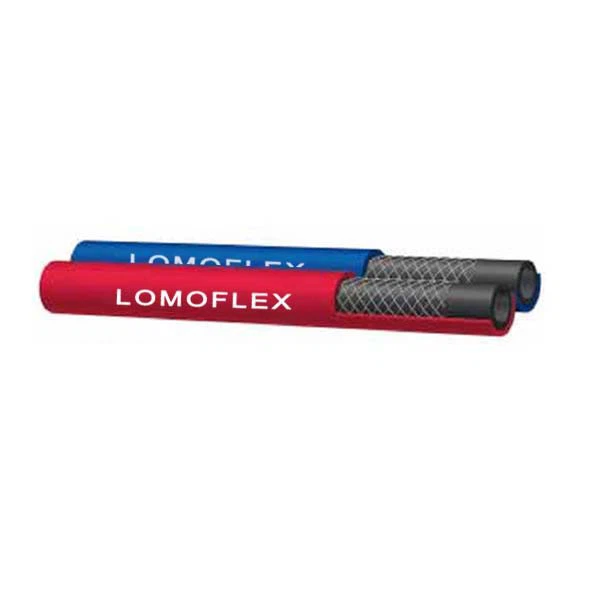
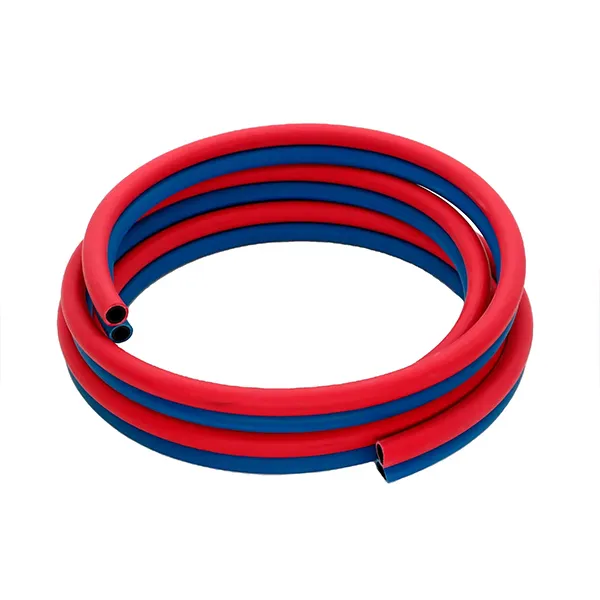
As the name suggests, twin welding hoses are primarily designed for welding applications. They are typically made of rubber that is resistant to high temperatures and abrasion. While these hoses are strong and durable, they are not designed with medical applications in mind. Their chemical composition may not be biocompatible, and they are not tested for use in contact with the human body or medical substances. Therefore, twin welding hoses are generally not suitable for medical applications.
Rubber Air Hose
Rubber air hoses are commonly used in industrial settings to transfer compressed air. They are designed to be flexible and withstand high pressure. In some non - invasive medical applications, such as the transfer of air in certain medical devices, rubber air hoses may potentially be used. However, they still need to meet strict biocompatibility and cleanliness standards. Specialized medical - grade rubber air hoses may be required, which are manufactured and tested specifically for medical use.
Rubber Water Hose
Rubber water hoses are used for various water - related applications, including gardening and industrial water transfer. For medical applications, such as supplying water for certain medical equipment or in low - risk, non - direct contact situations, rubber water hoses may be considered. But again, they must be made from materials that are safe for use in a medical environment. This may involve using food - grade or medical - grade rubber to ensure there is no contamination of the water supply.
Regulatory Requirements for Medical Rubber Hoses
The medical industry is highly regulated, and any product used in medical applications must comply with strict regulatory requirements. In the United States, the Food and Drug Administration (FDA) is responsible for regulating medical devices, including rubber hoses used in medical settings.
FDA Classification
Rubber hoses used in medical applications are classified as medical devices by the FDA. The classification depends on the intended use of the hose, the level of risk associated with its use, and the potential impact on patients. For example, a hose used in a critical life - saving device will be classified in a higher - risk category and will require more extensive testing and regulatory approval.
Quality Control and Testing
Manufacturers of medical rubber hoses must implement strict quality control measures to ensure the safety and effectiveness of their products. This includes testing for biocompatibility, chemical resistance, flexibility, and durability. The products must also be labeled accurately with information about their composition, intended use, and any potential risks.
Specific Medical Applications Where Rubber Hoses May Be Used
Despite the challenges, there are some specific medical applications where rubber hoses can be used:
Oxygen Delivery Systems
In oxygen delivery systems, rubber hoses can be used to transfer oxygen from the oxygen source to the patient. These hoses must be made of materials that are non - flammable, biocompatible, and resistant to oxygen degradation. They are often used in conjunction with oxygen masks, nasal cannulas, and other respiratory devices.
Fluid Transfer in Medical Equipment
Some medical equipment, such as dialysis machines and infusion pumps, require the transfer of fluids. Rubber hoses can be used for this purpose, provided they meet the necessary standards for biocompatibility and chemical resistance. These hoses are designed to ensure a smooth and safe flow of fluids without causing contamination.
Non - Invasive Monitoring Devices
In non - invasive monitoring devices, such as blood pressure cuffs, rubber hoses may be used to transfer air or fluid for the measurement process. These hoses are not in direct contact with the patient's internal body, but they still need to be reliable and safe to use.
Challenges and Considerations
While rubber hoses have the potential to be used in medical applications, there are several challenges and considerations that need to be addressed:
Cost
Manufacturing rubber hoses that meet the strict requirements of the medical industry can be expensive. This includes the cost of high - quality materials, extensive testing, and compliance with regulatory standards. As a result, medical - grade rubber hoses may be more costly than their industrial counterparts.
Supply Chain Management
Ensuring a reliable supply chain for medical - grade rubber hoses is crucial. Any disruption in the supply chain can have serious consequences for medical facilities and patients. Suppliers need to have robust processes in place to manage inventory, quality control, and delivery schedules.
Innovation and Development
The medical industry is constantly evolving, with new technologies and treatments emerging. Rubber hose suppliers need to invest in research and development to keep up with these changes and develop new products that meet the changing needs of the medical field.
Conclusion
In conclusion, while rubber hoses can potentially be used for medical applications, it is a complex and highly regulated area. The suitability of a rubber hose for medical use depends on its material properties, compliance with regulatory requirements, and the specific needs of the medical application. As a rubber hose supplier, we are committed to meeting the highest standards of quality and safety to provide products that are suitable for a wide range of industries, including the medical field.
If you are interested in exploring the use of rubber hoses for your medical applications, we invite you to contact us for a detailed discussion. Our team of experts can provide you with more information about our products, their suitability for your specific needs, and the regulatory compliance process. We look forward to the opportunity to work with you and contribute to the advancement of the medical industry.
References
- "Medical Device Regulation in the United States" by the Food and Drug Administration
- "Biocompatibility Testing of Medical Materials" by various scientific journals in the field of biomaterials
- "Standards for Rubber Hoses in Industrial and Medical Applications" by relevant international standards organizations