

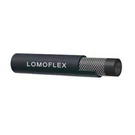
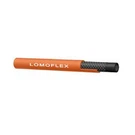


When it comes to the transfer of diesel oil, one common question that arises is whether a suction and discharge oil hose can be used for this purpose. As a supplier of suction and discharge oil hoses, I am well - versed in the technical aspects and practical considerations of this issue. In this blog, I will delve into the details to provide you with a comprehensive answer.
Compatibility of Suction and Discharge Oil Hoses with Diesel Oil
Diesel oil is a complex hydrocarbon mixture, and its properties need to be carefully considered when selecting a hose for transfer. Suction and discharge oil hoses are specifically designed to handle various types of oils. They are typically constructed with materials that are resistant to the chemical and physical properties of oils.
The inner tube of a high - quality suction and discharge oil hose is often made of materials such as nitrile rubber (NBR). Nitrile rubber has excellent resistance to oils, including diesel oil. It can withstand the solvents and chemicals present in diesel without degrading or swelling significantly. This resistance ensures that the hose maintains its integrity during the transfer process, preventing leaks and ensuring the safe and efficient movement of diesel.
For example, if a hose is made of a material that is not compatible with diesel, the diesel may cause the inner tube to soften, crack, or even dissolve over time. This can lead to serious safety hazards, such as spills and fires, as well as operational inefficiencies due to reduced flow rates or complete blockages.


Pressure and Flow Requirements
Another crucial factor to consider when using a suction and discharge oil hose for diesel transfer is the pressure and flow requirements. Diesel transfer systems may operate under different pressures depending on the application. For instance, in a small - scale diesel transfer from a storage tank to a generator, the pressure may be relatively low. However, in industrial settings where large volumes of diesel need to be transferred quickly, higher pressures may be involved.
Suction and discharge oil hoses are designed to handle a wide range of pressures. They are reinforced with materials such as high - strength synthetic yarns or steel wire spirals. These reinforcements provide the hose with the necessary strength to withstand the pressure exerted during the transfer of diesel. The wire or yarn layers prevent the hose from collapsing under suction or bursting under high - pressure discharge.
In terms of flow, the diameter of the hose plays a significant role. A larger - diameter hose can generally accommodate a higher flow rate of diesel. When selecting a suction and discharge oil hose for diesel transfer, it is essential to choose a hose with an appropriate diameter based on the required flow rate of the system. For example, if a high - volume diesel transfer is needed, a hose with a larger inner diameter, such as 4 inches or more, may be necessary.
Temperature Considerations
Diesel oil can be stored and transferred at different temperatures. Extreme temperatures can have a significant impact on the performance of a suction and discharge oil hose. In cold temperatures, diesel may become more viscous, which can increase the resistance to flow. At the same time, the hose material may become stiffer, reducing its flexibility and potentially affecting its ability to handle the flow of diesel.
On the other hand, in high - temperature environments, the diesel may expand, and the hose material may also be subjected to thermal stress. A good suction and discharge oil hose should be able to maintain its performance across a wide temperature range. Many high - quality hoses are rated for temperatures ranging from - 40°F to 180°F or even wider. This ensures that the hose can be used in various climate conditions and industrial settings without compromising its integrity.
Safety and Compliance
Safety is of utmost importance when transferring diesel oil. Suction and discharge oil hoses must comply with relevant safety standards and regulations. For example, in many countries, hoses used for fuel transfer are required to meet standards such as ISO 1402 or EN 13765. These standards specify requirements for the material, construction, and performance of hoses to ensure their safety and reliability.
When using a suction and discharge oil hose for diesel transfer, it is also essential to follow proper installation and maintenance procedures. The hose should be installed correctly to prevent kinking, which can restrict the flow of diesel and increase the risk of pressure build - up. Regular inspections should be carried out to check for signs of wear, damage, or degradation. Any damaged hoses should be replaced immediately to avoid potential safety hazards.
Comparison with Suction and Discharge Water Hoses
It is important to note that suction and discharge water hoses Suction and Discharge Water Hose are not suitable for diesel transfer. Water hoses are designed to handle water, which has different chemical and physical properties compared to diesel. The materials used in water hoses are not resistant to the solvents and chemicals in diesel, and they may not be able to withstand the pressure and temperature requirements of diesel transfer systems.
For example, the inner tube of a water hose may be made of a material that is easily damaged by diesel, leading to leaks and failures. Additionally, water hoses may not have the same level of reinforcement as suction and discharge oil hoses, making them more prone to bursting or collapsing under the pressure of diesel transfer.
Our Suction and Discharge Oil Hoses
As a supplier of suction and discharge oil hoses Suction and Discharge Oil Hose, we offer a wide range of products that are specifically designed for diesel transfer. Our hoses are made of high - quality materials and are manufactured to meet or exceed international safety standards.
We have hoses with different diameters, pressure ratings, and temperature ranges to suit various diesel transfer applications. Whether you need a hose for a small - scale diesel generator or a large - scale industrial diesel transfer system, we can provide you with the right solution.
Conclusion
In conclusion, a suction and discharge oil hose can be used for diesel oil transfer, provided that it is made of compatible materials, can handle the pressure and flow requirements, and is suitable for the temperature conditions. It is crucial to choose a high - quality hose that complies with safety standards and to follow proper installation and maintenance procedures.
If you are in the market for a suction and discharge oil hose for diesel transfer, we are here to help. Our team of experts can assist you in selecting the most appropriate hose for your specific needs. Contact us to start a procurement discussion and ensure a safe and efficient diesel transfer process.
References
- ISO 1402: International standard for hoses used in fuel transfer applications.
- EN 13765: European standard for hoses for the transfer of liquid petroleum products.