

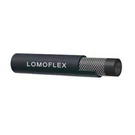



Hey there! As a supplier of air hose assemblies, I often get asked whether our products can be used in extreme cold conditions. It's a valid question, especially for industries operating in frigid environments like the Arctic, high - altitude mountain areas, or cold storage facilities. In this blog, I'll break down the factors that determine an air hose assembly's performance in the cold and share some insights based on our experience.
First off, let's talk about what an Air Hose Assembly is. Simply put, it's a combination of hoses, fittings, and sometimes connectors used to transfer air from one point to another. They're used in a wide range of applications, from pneumatic tools in workshops to air - powered machinery in manufacturing plants.
One of the primary concerns when using an air hose assembly in cold conditions is the impact of low temperatures on the hose material. Most hoses are made from rubber, PVC, or polyurethane. Each material responds differently to cold.
Rubber hoses are known for their flexibility and durability. However, in extreme cold, rubber can become brittle. When rubber gets too cold, its molecular structure changes, making it less elastic. This brittleness can lead to cracks and leaks, especially if the hose is bent or flexed. Imagine trying to bend a piece of hard plastic - that's what a cold rubber hose can feel like. And once there are cracks, it's only a matter of time before air starts escaping, reducing the efficiency of the system and potentially causing equipment failures.
PVC hoses are another common option. They're lightweight and relatively inexpensive. But PVC also has its limitations in the cold. At low temperatures, PVC can lose its flexibility and become stiff. This stiffness can make it difficult to handle and install the hose. Moreover, just like rubber, if the PVC hose is forced to bend while it's cold, it can crack. And since PVC is more rigid than rubber to begin with, the risk of cracking is even higher.
Polyurethane hoses, on the other hand, tend to perform better in cold conditions. Polyurethane has better cold - resistance properties compared to rubber and PVC. It remains flexible at lower temperatures, which means it's less likely to crack when bent. This flexibility also makes it easier to work with in cold environments. However, even polyurethane has its limits. If the temperature drops below its rated cold - flex point, it too can start to lose its flexibility and become more prone to damage.
Apart from the hose material, the fittings and connectors in an air hose assembly are also affected by cold. Metal fittings can contract in the cold, which might lead to loosening if they're not properly tightened. This can cause air leaks at the connection points. Additionally, moisture in the air can freeze inside the fittings, blocking the airflow and potentially damaging the assembly.
So, can an air hose assembly be used in extreme cold conditions? The answer is yes, but with some important considerations.
If you're operating in cold environments, it's crucial to choose the right hose material. As I mentioned, polyurethane hoses are generally a better choice for cold - weather applications. But you also need to check the manufacturer's specifications to ensure the hose is rated for the specific temperature range you'll be working in.

Proper installation is also key. Make sure all fittings are tightened securely before use. It might be a good idea to use anti - vibration clamps to keep the hose in place and prevent unnecessary movement that could cause damage.
Regular maintenance is essential in cold conditions. Inspect the hose assembly regularly for signs of cracks, leaks, or other damage. If you notice any issues, replace the damaged parts immediately. Also, drain any moisture that might have accumulated in the hose or fittings to prevent freezing.
In some cases, you might need to take additional precautions. For example, you could use insulation sleeves to keep the hose warm. These sleeves can help maintain a more stable temperature inside the hose, reducing the risk of cold - related damage. You can also use heaters or heat - tracing systems in extremely cold environments to keep the air hose assembly at an optimal temperature.
Now, if you're in the market for an air hose assembly that can handle extreme cold conditions, we've got you covered. Our company offers a wide range of high - quality Air Hose Assembly products. We've spent years researching and developing hoses that are designed to perform well in harsh environments, including extreme cold.
Our polyurethane hoses are specially formulated to maintain flexibility even at very low temperatures. They're tested rigorously to ensure they meet the highest standards of quality and performance. And our fittings are made from high - grade materials that are resistant to corrosion and cold - related contraction.
If you're interested in learning more about our products or have any questions about using air hose assemblies in cold conditions, don't hesitate to reach out. We're here to help you find the right solution for your needs. Whether you're in the construction, manufacturing, or any other industry that requires reliable air hose assemblies, we can provide you with the products and support you need.
In conclusion, while using an air hose assembly in extreme cold conditions presents some challenges, with the right choices and proper maintenance, it's definitely possible. By understanding the effects of cold on different hose materials and taking appropriate precautions, you can ensure that your air hose assembly performs well and lasts a long time in cold environments.
So, if you're looking for a reliable air hose assembly supplier for your cold - weather applications, give us a chance. We're confident that our products will meet your expectations and help you keep your operations running smoothly, no matter how cold it gets.
References:
- Industry reports on air hose materials and their performance in different temperatures.
- Manufacturer specifications for rubber, PVC, and polyurethane hoses.
- In - house research and testing data on air hose assemblies in cold conditions.