

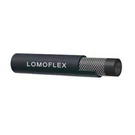
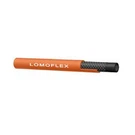


Hey there! As an industrial hose assembly supplier, I've seen all sorts of hoses in action. Industrial hose assemblies are super important in many industries, from manufacturing to construction. They're used to transfer fluids, gases, and even solids in different processes. In this blog, I'm gonna break down the different types of hoses you might come across in an industrial hose assembly.
1. Air Hoses
Air hoses are one of the most common types in industrial settings. They're used to transfer compressed air from a compressor to various pneumatic tools and equipment. Air Hose Assembly is a popular choice for many because it's designed to handle the pressure and flow requirements of compressed air systems.
These hoses are usually made from materials like rubber, PVC, or polyurethane. Rubber air hoses are flexible and can withstand a wide range of temperatures. They're great for heavy - duty applications where you need a durable hose that can handle rough handling. PVC air hoses, on the other hand, are lightweight and less expensive. They're often used in light - duty applications, like in small workshops or home garages. Polyurethane air hoses are known for their high abrasion resistance and flexibility. They're a good choice for applications where the hose might rub against other surfaces.
2. Water Hoses
Water hoses are used for a variety of purposes, such as watering plants, cleaning, and industrial processes that involve water transfer. In industrial settings, water hoses need to be able to handle different pressures and flow rates.
There are different types of water hoses, including suction hoses and discharge hoses. Suction hoses are used to draw water from a source, like a tank or a well. They need to be able to resist collapse under the negative pressure created during the suction process. Discharge hoses, on the other hand, are used to deliver water to a specific location. They're designed to handle the pressure generated by pumps or other water - moving equipment.
Water hoses can be made from materials like rubber, PVC, or polyethylene. Rubber water hoses are flexible and can handle high pressures. They're often used in heavy - duty industrial applications. PVC water hoses are lightweight and easy to handle. They're commonly used in residential and light - industrial applications. Polyethylene water hoses are resistant to chemicals and UV rays, making them a good choice for outdoor applications.

3. Chemical Hoses
Chemical hoses are used to transfer various chemicals, such as acids, alkalis, and solvents. These hoses need to be made from materials that are resistant to the specific chemicals they'll be handling.
The choice of material for a chemical hose depends on the type of chemical, its concentration, and the temperature and pressure of the transfer process. For example, Teflon (PTFE) hoses are highly resistant to a wide range of chemicals and can handle high temperatures. They're often used in high - end chemical processing applications. Rubber hoses made from materials like EPDM or nitrile can also be used for certain chemicals. EPDM is resistant to many acids and alkalis, while nitrile is resistant to oils and solvents.
4. Oil Hoses
Oil hoses are used to transfer different types of oils, such as lubricating oil, hydraulic oil, and fuel oil. These hoses need to be able to withstand the properties of the oil, including its viscosity, temperature, and chemical composition.
There are different types of oil hoses, including suction and discharge hoses. Suction oil hoses are used to draw oil from a storage tank or other source. They need to be able to resist collapse under the negative pressure created during the suction process. Discharge oil hoses are used to deliver oil to a specific location, such as an engine or a hydraulic system.
Oil hoses are typically made from materials like rubber or synthetic polymers. Rubber oil hoses are flexible and can handle high pressures. They're often used in automotive and industrial applications. Synthetic polymer hoses, such as nylon or polyester, are lightweight and have good chemical resistance. They're sometimes used in applications where weight is a concern.
5. Food and Beverage Hoses
Food and beverage hoses are used in the food and beverage industry to transfer products like milk, juice, beer, and other edible liquids. These hoses need to be made from materials that are safe for contact with food and beverages.
The materials used for food and beverage hoses must comply with strict regulations, such as those set by the FDA (Food and Drug Administration) in the United States. Common materials include silicone, PVC, and EPDM. Silicone hoses are flexible, heat - resistant, and have excellent chemical resistance. They're often used in high - temperature applications, like in baking or brewing. PVC food and beverage hoses are lightweight and easy to clean. They're commonly used in low - pressure applications. EPDM hoses are resistant to many chemicals and can handle a wide range of temperatures. They're a good choice for applications where a durable and versatile hose is needed.
6. Steam Hoses
Steam hoses are used to transfer steam in industrial processes, such as heating, sterilization, and power generation. Steam hoses need to be able to handle high temperatures and pressures.
These hoses are usually made from materials like rubber or synthetic polymers. Rubber steam hoses are flexible and can withstand high temperatures. They're often reinforced with multiple layers of fabric or wire to increase their strength and durability. Synthetic polymer steam hoses, such as PTFE, are also used in some applications. PTFE steam hoses have excellent chemical resistance and can handle very high temperatures.
7. Welding Hoses
Welding hoses are used in welding and cutting operations to transfer gases, such as oxygen and acetylene. These hoses need to be able to handle the high pressures and flammable nature of the gases.
Welding hoses are typically made from rubber or synthetic polymers. Rubber welding hoses are flexible and can withstand the rigors of welding operations. They're often color - coded to distinguish between different gases. For example, oxygen hoses are usually green, while acetylene hoses are red. Synthetic polymer welding hoses are lightweight and have good chemical resistance. They're sometimes used in applications where weight and durability are both important.
So, there you have it! These are some of the main types of hoses you'll find in an industrial hose assembly. Each type has its own unique properties and is designed for specific applications. If you're in the market for industrial hose assemblies, it's important to choose the right type of hose for your needs.
If you're interested in purchasing industrial hose assemblies, whether it's an air hose assembly or any other type, feel free to reach out to me. I can help you find the perfect hoses for your industrial processes. Just drop me a message, and we can start the conversation about your requirements. I'm here to make sure you get the best hoses at the best prices. Let's work together to find the right solutions for your business!
References
- Industrial Hose Handbook, various industry publications
- Manufacturer's specifications for different hose types