

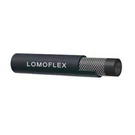
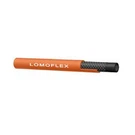


Hey there! As an air hose assembly supplier, I often get asked whether an air hose assembly can be used with a pneumatic tool. Well, the short answer is yes, but there's a whole lot more to it than that. In this blog post, I'm going to break down everything you need to know about using an air hose assembly with a pneumatic tool.
First off, let's talk about what an air hose assembly is. An Air Hose Assembly is a combination of a hose, fittings, and sometimes additional components like regulators or filters. It's designed to carry compressed air from a source, like an air compressor, to a pneumatic tool. Pneumatic tools, on the other hand, are powered by compressed air and are used in a wide range of industries, from automotive repair to construction.
So, why use an air hose assembly with a pneumatic tool? Well, there are several reasons. For starters, air hose assemblies provide a flexible and convenient way to deliver compressed air to the tool. Unlike hard - wired electrical tools, pneumatic tools can be easily moved around a work area without the need for multiple power outlets. This makes them great for jobs that require mobility, like painting a large surface or working on a construction site.
Another advantage is the power and performance that pneumatic tools offer. Compressed air can provide a consistent and reliable source of power, allowing pneumatic tools to operate at high speeds and with great force. And when you pair them with a quality air hose assembly, you can ensure that the air is delivered efficiently, maximizing the tool's performance.
But not all air hose assemblies are created equal. When choosing an air hose assembly for your pneumatic tool, there are a few key factors to consider.
Hose Material
The material of the hose is crucial. Common materials include rubber, PVC, and polyurethane. Rubber hoses are known for their flexibility and durability. They can withstand a lot of wear and tear, making them a great choice for heavy - duty applications. PVC hoses, on the other hand, are lightweight and relatively inexpensive. They're suitable for light - to medium - duty tasks. Polyurethane hoses offer a good balance between flexibility and strength, and they're also resistant to kinking, which is a big plus when working in tight spaces.

Hose Size
The size of the hose matters too. The diameter of the hose affects the amount of air that can flow through it. A larger diameter hose can deliver more air, which is important for high - demand pneumatic tools. If you use a hose that's too small for your tool, it can lead to a drop in pressure, reducing the tool's performance. You also need to consider the length of the hose. Longer hoses can result in more pressure loss, so you may need to choose a larger diameter hose if you're using a long one.
Fittings
The fittings on the air hose assembly are what connect it to the pneumatic tool and the air source. They need to be compatible with both the hose and the tool. There are different types of fittings, such as quick - connect fittings, which allow for easy and fast connection and disconnection of the tool. Make sure the fittings are made of high - quality materials and are properly sealed to prevent air leaks.
Pressure Rating
The pressure rating of the air hose assembly is another important factor. It indicates the maximum pressure that the hose can safely handle. You need to ensure that the pressure rating of the hose is higher than the operating pressure of your pneumatic tool. Using a hose with a lower pressure rating can be dangerous, as it may burst under the pressure.
Now, let's talk about some tips for using an air hose assembly with a pneumatic tool.
Maintenance
Regular maintenance is key to keeping your air hose assembly and pneumatic tool in good working condition. Inspect the hose for any signs of damage, such as cuts, abrasions, or leaks. Check the fittings to make sure they're tight and secure. If you notice any problems, replace the damaged parts immediately. Also, keep the hose clean and free from dirt and debris, as these can clog the hose and affect the air flow.
Storage
Proper storage is also important. When you're not using the air hose assembly, coil it up neatly and store it in a cool, dry place. Avoid storing it in direct sunlight or in areas where it can be exposed to extreme temperatures, as this can damage the hose material.
Safety
Safety should always be your top priority when using an air hose assembly with a pneumatic tool. Wear appropriate safety gear, such as safety glasses and ear protection. Make sure the air compressor is properly grounded and that all connections are secure before starting the tool. Never exceed the recommended pressure of the hose or the tool.
In conclusion, an air hose assembly can definitely be used with a pneumatic tool, and when you choose the right one and use it correctly, it can enhance the performance and efficiency of your pneumatic tools. Whether you're a professional tradesperson or a DIY enthusiast, having a quality air hose assembly is essential for getting the job done right.
If you're in the market for an air hose assembly for your pneumatic tools, we've got you covered. We offer a wide range of high - quality air hose assemblies that are designed to meet the needs of different pneumatic tools and applications. Our products are made from the best materials and are built to last.
If you have any questions or need help choosing the right air hose assembly for your pneumatic tool, don't hesitate to reach out. We're here to assist you and make sure you get the perfect fit for your needs. Contact us today to start the conversation about your air hose assembly requirements.
References
- "Pneumatic Tools: A Comprehensive Guide." Industrial Tools Magazine, 2022.
- "Air Hose Assembly Selection and Maintenance." Air Compression Journal, 2023.