

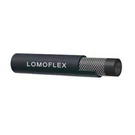
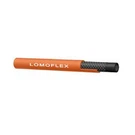


Hey there! I'm a supplier of suction and discharge hoses, and today I want to chat about how to adjust the suction and discharge pressure of a hose. It's a topic that's super important for anyone using these hoses, whether it's for water, oil, or other fluids.
First off, let's understand why adjusting the pressure is so crucial. The right pressure ensures that the hose works efficiently, extends its lifespan, and prevents any potential damage. If the pressure is too high, it can cause the hose to burst or leak, which can be a real headache. On the other hand, if the pressure is too low, the flow of the fluid might not be sufficient for the task at hand.
Understanding the Basics of Suction and Discharge Pressure
Suction pressure is all about how much force is needed to draw the fluid into the hose. Think of it like using a straw to drink a milkshake. You need to create enough suction to get the milkshake up the straw. In the case of a hose, a proper suction pressure is essential to start the flow of the fluid.
Discharge pressure, on the other hand, is the force with which the fluid is pushed out of the hose. It's like when you squeeze a ketchup bottle to get the ketchup out. The right discharge pressure ensures that the fluid reaches its intended destination effectively.
Factors Affecting Suction and Discharge Pressure
There are several factors that can affect the suction and discharge pressure of a hose. One of the main factors is the diameter of the hose. A smaller diameter hose will generally have a higher pressure, as the fluid has less space to flow through. Conversely, a larger diameter hose will have a lower pressure, but it can handle a larger volume of fluid.
The length of the hose also plays a role. The longer the hose, the more resistance the fluid will encounter, which can reduce the pressure. So, if you need to transport fluid over a long distance, you might need to adjust the pressure accordingly.
The type of fluid being transported is another important factor. Different fluids have different viscosities, which can affect how easily they flow through the hose. For example, oil is more viscous than water, so it will require more pressure to move through the hose.
Adjusting the Suction Pressure
To adjust the suction pressure, you first need to check the condition of the hose. Make sure there are no kinks or blockages that could restrict the flow of the fluid. If there are any, straighten the hose or remove the blockage.
You can also adjust the suction pressure by using a suction control valve. This valve allows you to regulate the amount of air that is drawn into the hose, which in turn affects the suction pressure. If you need more suction, you can open the valve wider. If you need less suction, you can close it a bit.
Another way to adjust the suction pressure is by changing the speed of the pump. If you have a pump that is connected to the hose, increasing the pump speed will generally increase the suction pressure. However, be careful not to overdo it, as too much pressure can damage the hose.
Adjusting the Discharge Pressure
When it comes to adjusting the discharge pressure, you can use a pressure relief valve. This valve is designed to release excess pressure if it gets too high. You can set the valve to a specific pressure level, and if the pressure exceeds that level, the valve will open and release the excess pressure.
You can also adjust the discharge pressure by changing the size of the nozzle at the end of the hose. A smaller nozzle will increase the pressure, as the fluid has to pass through a smaller opening. A larger nozzle will decrease the pressure, but it will allow for a greater flow rate.
Choosing the Right Hose for Your Needs
As a suction and discharge hose supplier, I know how important it is to choose the right hose for your specific needs. If you're dealing with water, you might want to check out our Suction and Discharge Water Hose. This hose is designed to handle water efficiently and can be adjusted to the right pressure for your application.
If you're working with oil, our Suction and Discharge Oil Hose is a great option. It's made from materials that are resistant to oil and can withstand the pressure required for oil transfer.
Tips for Maintaining the Right Pressure
To keep the suction and discharge pressure of your hose in check, it's important to regularly inspect the hose for any signs of wear and tear. Check for leaks, cracks, or any other damage that could affect the pressure.
Make sure to clean the hose regularly to prevent any blockages. If there are any debris or sediment in the hose, it can reduce the flow of the fluid and affect the pressure.


Also, keep an eye on the temperature of the fluid. High temperatures can cause the fluid to expand, which can increase the pressure in the hose. If you're working with a high-temperature fluid, you might need to adjust the pressure accordingly.
Conclusion
Adjusting the suction and discharge pressure of a hose is an important part of ensuring its proper operation. By understanding the factors that affect pressure, using the right tools to adjust it, and choosing the right hose for your needs, you can keep your hoses working efficiently and avoid any potential problems.
If you're in the market for suction and discharge hoses, don't hesitate to reach out. We're here to help you find the perfect hose for your application and provide you with all the support you need. Whether you're a small business or a large industrial operation, we've got you covered.
References
- "Industrial Hose Handbook" - A comprehensive guide on industrial hoses and their applications.
- "Fluid Mechanics for Engineers" - A textbook that covers the principles of fluid flow and pressure.