



What is the Minimum Bending Radius of a Wire Spiral Hose?
As a supplier of wire spiral hoses, one of the most frequently asked questions I encounter from customers is about the minimum bending radius of these hoses. Understanding the minimum bending radius is crucial for ensuring the proper functioning, longevity, and safety of wire spiral hoses in various applications. In this article, I will delve into what the minimum bending radius is, why it matters, factors that influence it, and how to determine the appropriate minimum bending radius for different types of wire spiral hoses.
Defining the Minimum Bending Radius
The minimum bending radius of a wire spiral hose refers to the smallest radius to which the hose can be bent without causing significant damage to its structure or performance. When a hose is bent beyond its minimum bending radius, several issues can arise. The internal wire reinforcement may become distorted, leading to a reduction in the hose's pressure-bearing capacity. The inner tube of the hose can also be pinched or kinked, restricting the flow of fluid through the hose and potentially causing blockages. Additionally, excessive bending can accelerate the wear and tear of the hose, shortening its service life and increasing the risk of leaks or failures.
Importance of Adhering to the Minimum Bending Radius
Adhering to the minimum bending radius is essential for several reasons. Firstly, it ensures the safe and reliable operation of the hydraulic system in which the hose is installed. By preventing damage to the hose, the risk of sudden failures, such as hose bursts or leaks, is significantly reduced. This is particularly important in applications where hydraulic systems are used in high-pressure environments, such as construction equipment, industrial machinery, and automotive applications.
Secondly, maintaining the proper bending radius helps to optimize the performance of the hose. When a hose is bent within its recommended minimum bending radius, the flow of fluid through the hose remains smooth and efficient. This results in better system performance, reduced energy consumption, and improved overall productivity.
Finally, following the minimum bending radius guidelines can help to extend the service life of the hose. By minimizing the stress and strain on the hose caused by excessive bending, the hose is less likely to experience premature wear and tear. This can save costs in the long run by reducing the frequency of hose replacements and minimizing downtime due to maintenance and repairs.
Factors Influencing the Minimum Bending Radius
Several factors can influence the minimum bending radius of a wire spiral hose. These include:
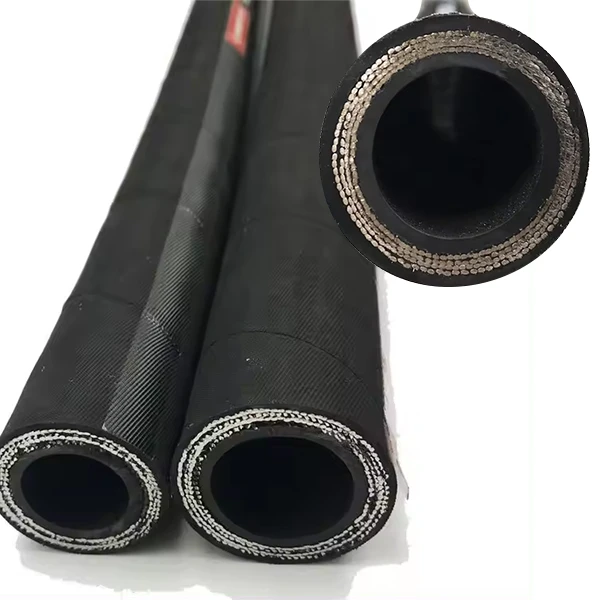
- Hose Construction: The construction of the hose, including the number of wire reinforcement layers, the type of wire used, and the thickness of the inner tube and outer cover, can affect its flexibility and minimum bending radius. Generally, hoses with more wire reinforcement layers or thicker walls tend to have a larger minimum bending radius.
- Hose Size: The diameter of the hose also plays a role in determining its minimum bending radius. Larger diameter hoses typically have a larger minimum bending radius compared to smaller diameter hoses.
- Operating Pressure: The operating pressure of the hydraulic system can influence the minimum bending radius. Higher pressure hoses may require a larger minimum bending radius to ensure that the hose can withstand the internal pressure without damage.
- Temperature: Extreme temperatures can affect the flexibility of the hose and its minimum bending radius. In cold temperatures, the hose may become stiffer, requiring a larger minimum bending radius. In hot temperatures, the hose may become more flexible, but it may also be more susceptible to damage if bent too sharply.
Determining the Minimum Bending Radius for Different Types of Wire Spiral Hoses
Different types of wire spiral hoses have different minimum bending radii. Here are some common types of wire spiral hoses and their typical minimum bending radii:
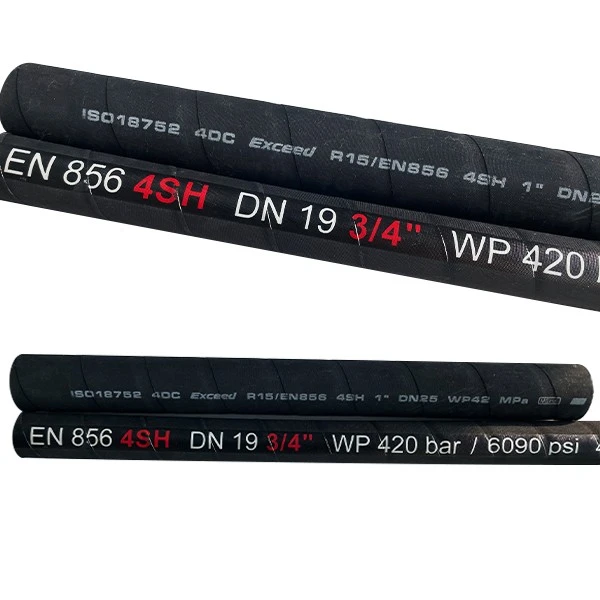
- Din En856 4sh: The Din En856 4sh hose is a high-pressure hydraulic hose designed for use in demanding applications. It typically has a minimum bending radius that ranges from 4 to 10 times the outside diameter of the hose, depending on the hose size and construction.
- Sae100 R15: The Sae100 R15 hose is another high-pressure hydraulic hose that is commonly used in industrial and mobile applications. It usually has a minimum bending radius of 3 to 8 times the outside diameter of the hose.
- Sae100 R12: The Sae100 R12 hose is a four-spiral wire-reinforced hydraulic hose that is suitable for medium to high-pressure applications. Its minimum bending radius typically ranges from 3 to 7 times the outside diameter of the hose.
It's important to note that these are just general guidelines, and the actual minimum bending radius may vary depending on the specific manufacturer and the design of the hose. Therefore, it's always recommended to refer to the manufacturer's specifications and guidelines for the exact minimum bending radius of a particular hose.
How to Ensure Proper Bending of Wire Spiral Hoses
To ensure the proper bending of wire spiral hoses and to prevent damage, the following tips can be followed:
- Use the Right Tools: When bending the hose, use appropriate bending tools, such as hose benders or mandrels, to ensure that the hose is bent to the correct radius. Avoid using sharp objects or excessive force that could damage the hose.
- Plan the Installation: Before installing the hose, carefully plan the routing and bending of the hose to ensure that it can be bent within its minimum bending radius. Avoid sharp bends or kinks in the hose, and provide sufficient clearance for the hose to move freely.
- Check the Bending Radius: During the installation process, check the bending radius of the hose at regular intervals to ensure that it remains within the recommended range. If necessary, make adjustments to the routing or bending of the hose to maintain the proper bending radius.
- Inspect the Hose Regularly: After the hose is installed, inspect it regularly for signs of damage or wear, such as kinks, bulges, or leaks. If any issues are detected, replace the hose immediately to prevent further damage or failures.
Conclusion
In conclusion, the minimum bending radius of a wire spiral hose is a critical parameter that must be carefully considered when selecting and installing hoses in hydraulic systems. By understanding what the minimum bending radius is, why it matters, and how to determine the appropriate minimum bending radius for different types of hoses, you can ensure the safe, reliable, and efficient operation of your hydraulic systems.
As a wire spiral hose supplier, we are committed to providing our customers with high-quality hoses and accurate information about their proper use and installation. If you have any questions about the minimum bending radius of our wire spiral hoses or need assistance in selecting the right hose for your application, please do not hesitate to contact us. We look forward to discussing your requirements and helping you find the best solution for your hydraulic needs.
References
- Hydraulic Hose Handbook, Various Manufacturers
- Industry Standards and Guidelines for Wire Spiral Hoses