



Detecting internal damage in a wire spiral hose is crucial for ensuring the safety and efficiency of hydraulic systems. As a wire spiral hose supplier, I understand the importance of maintaining the integrity of these hoses to prevent costly breakdowns and potential hazards. In this blog post, I'll share some effective methods for detecting internal damage in wire spiral hoses.
Understanding Wire Spiral Hoses
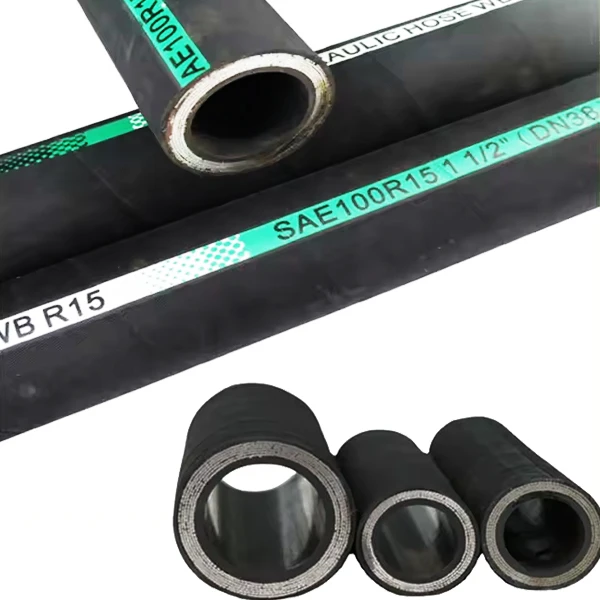
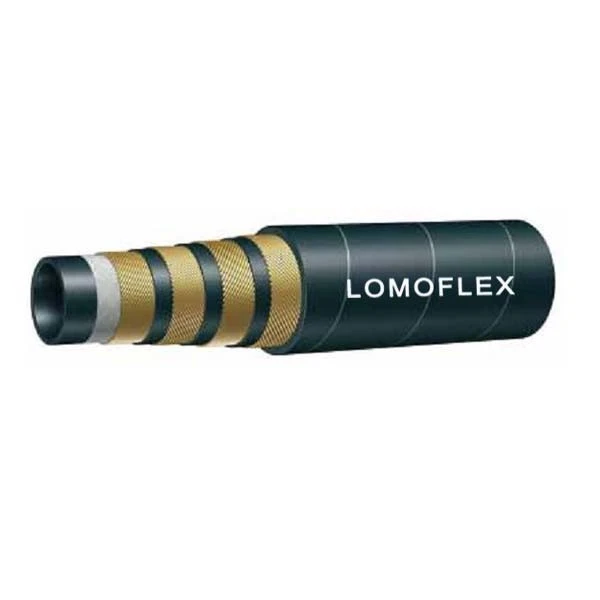
Wire spiral hoses are commonly used in hydraulic systems due to their high-pressure resistance and flexibility. They consist of an inner tube, one or more layers of wire spiral reinforcement, and an outer cover. The wire spiral reinforcement provides strength and support, allowing the hose to withstand high pressures. However, over time, these hoses can suffer from internal damage, which may not be visible from the outside.
Visual Inspection
The first step in detecting internal damage is a thorough visual inspection. Start by examining the outer cover of the hose for any signs of wear, cuts, abrasions, or bulges. These can be indicators of underlying internal damage. Pay close attention to areas where the hose bends or is exposed to high stress. Look for any signs of fraying or separation of the outer cover from the reinforcement layers.
While visual inspection can reveal some external damage, it may not always detect internal issues. For a more comprehensive assessment, you may need to use additional methods.
Pressure Testing
Pressure testing is a reliable method for detecting internal damage in wire spiral hoses. This involves subjecting the hose to a specified pressure and monitoring for any signs of leakage or pressure drop. To perform a pressure test, you'll need a pressure testing device and a suitable fluid, such as water or hydraulic oil.
First, connect the hose to the pressure testing device and fill it with the test fluid. Gradually increase the pressure to the specified test pressure and hold it for a set period. During this time, carefully inspect the hose for any signs of leakage, such as drips or bubbles. If there is a significant pressure drop during the test, it may indicate internal damage.
It's important to note that pressure testing should be conducted in accordance with industry standards and guidelines. Over-pressurizing the hose can cause further damage and compromise its integrity.
Ultrasonic Testing
Ultrasonic testing is a non-destructive testing method that can be used to detect internal damage in wire spiral hoses. This technique involves sending high-frequency sound waves through the hose and analyzing the reflections to identify any defects or abnormalities.
To perform ultrasonic testing, you'll need an ultrasonic testing device and a coupling agent, such as gel or oil, to ensure good contact between the transducer and the hose. The transducer is placed on the outer surface of the hose, and the ultrasonic waves are transmitted into the hose. The reflections are then analyzed to detect any changes in the material properties, which may indicate internal damage.
Ultrasonic testing is a highly sensitive method that can detect small defects and flaws in the hose. However, it requires specialized equipment and trained personnel to perform the test accurately.
X-ray Inspection
X-ray inspection is another non-destructive testing method that can be used to detect internal damage in wire spiral hoses. This technique involves passing X-rays through the hose and capturing the images on a film or digital detector. The images can then be analyzed to identify any internal defects, such as cracks, voids, or foreign objects.
X-ray inspection is a powerful tool for detecting internal damage, but it requires specialized equipment and safety precautions. It should only be performed by trained professionals in a controlled environment.
Thermal Imaging
Thermal imaging is a non-contact method that can be used to detect internal damage in wire spiral hoses. This technique involves using an infrared camera to detect changes in the temperature of the hose. Internal damage can cause changes in the heat transfer properties of the hose, resulting in temperature variations that can be detected by the thermal camera.
To perform thermal imaging, you'll need an infrared camera and a suitable environment. The camera is pointed at the hose, and the images are captured and analyzed to identify any hot spots or temperature gradients. These can be indicators of internal damage, such as friction or blockages.
Thermal imaging is a quick and non-invasive method for detecting internal damage, but it may not be as sensitive as other methods. It's best used in conjunction with other testing methods for a more comprehensive assessment.
Conclusion
Detecting internal damage in wire spiral hoses is essential for ensuring the safety and reliability of hydraulic systems. By using a combination of visual inspection, pressure testing, ultrasonic testing, X-ray inspection, and thermal imaging, you can identify and address internal damage before it leads to costly breakdowns or safety hazards.
As a wire spiral hose supplier, I'm committed to providing high-quality products and services to my customers. If you're in the market for wire spiral hoses or need assistance with hose inspection and maintenance, I encourage you to reach out to me for more information. I'll be happy to help you find the right solution for your needs.
References
- "Hydraulic Hose Handbook," Hydraulics & Pneumatics Magazine
- "Non-Destructive Testing Methods for Hydraulic Hoses," ASME Journal of Pressure Vessel Technology
- "Wire Spiral Hose Standards and Specifications," ISO 18752
Remember to replace the email link with the appropriate contact information for your business. Also, make sure to insert the provided hyperlinks at appropriate places in the text. For example, you can mention the hose types like "Some common types of wire spiral hoses include Din En856 4sh, Sae100 R12, and Sae100 R15."