

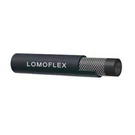
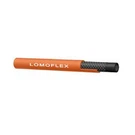


Hey there! I'm a supplier of fuel oil hoses, and today I want to chat about how a hose's bendability can have a huge impact on its use in complex piping systems.
Let's start by understanding what bendability means. Bendability refers to how easily a hose can be bent without kinking or losing its functionality. In complex piping systems, hoses often need to navigate around obstacles, connect different components that aren't in a straight line, and fit into tight spaces. So, a hose's ability to bend is super important.
Advantages of High Bendability
Flexibility in Installation
When it comes to installing hoses in complex piping systems, high bendability is a game - changer. You know, in a real - world industrial setting, there are all sorts of equipment and structures in the way. A highly bendable fuel oil hose can be easily maneuvered around these obstacles. For example, in a refinery, there are large tanks, pumps, and other machinery. A bendable hose can snake its way through the maze of equipment to connect different parts of the fuel transfer system. This flexibility saves a ton of time during installation. Instead of having to re - arrange equipment or create elaborate support structures to make a straight - line connection, you can simply bend the hose to fit the existing layout.


Reduced Stress on the Hose
Bending a hose creates stress on its material. If a hose isn't very bendable, the stress can be concentrated in certain areas when it's forced to bend. This can lead to premature wear and tear, cracking, and even leaks. On the other hand, a highly bendable hose distributes the stress more evenly along its length. For instance, when a fuel oil hose is bent around a sharp corner, a bendable hose will deform gradually, spreading the stress over a larger area. This means the hose is less likely to fail over time, which is crucial for maintaining the integrity of the piping system. A failed hose can result in fuel spills, which are not only a waste of resources but also pose a significant safety hazard.
Adaptability to Changing Conditions
Complex piping systems are not always static. They may need to be modified or expanded over time. A hose with good bendability can easily adapt to these changes. Say, if a new piece of equipment is added to the fuel transfer system, a bendable hose can be adjusted to connect it without having to replace the entire hose network. This adaptability makes the piping system more versatile and cost - effective in the long run.
Disadvantages of Low Bendability
Difficult Installation
Low - bendability hoses can be a nightmare to install in complex piping systems. You might find yourself struggling to make the hose fit into the required space. In some cases, it may be impossible to bend the hose enough to connect two components without kinking it. Kinking restricts the flow of fuel through the hose, reducing its efficiency and potentially causing damage to the hose itself. For example, if you're trying to connect a fuel tank to a generator in a confined engine room, a rigid hose may not be able to make the necessary turns, and you'll have to spend extra time and effort to find an alternative solution.
Increased Risk of Failure
As mentioned earlier, low - bendability hoses are more prone to stress concentration when bent. This can lead to structural damage over time. The areas where the stress is concentrated are more likely to develop cracks or leaks. In a fuel oil system, a leak can be extremely dangerous. It can cause fires, explosions, and environmental pollution. Additionally, if a hose fails, it can disrupt the entire operation of the piping system, leading to costly downtime for repairs.
Limited Design Options
When using low - bendability hoses, the design of the piping system is severely limited. You're pretty much stuck with straight - line connections or very gentle curves. This can make it difficult to optimize the layout of the system for maximum efficiency. For example, in a large - scale fuel storage facility, a lack of bendable hoses may prevent you from creating a more compact and efficient piping network, resulting in longer hose lengths and increased pressure drops.
Bendability in Different Types of Hoses
As a fuel oil hose supplier, I also deal with other types of hoses like Lpg Hose, Twin Welding Hose, and Rubber Air Hose. Each of these hoses has different bendability requirements based on their applications.
LPG Hoses
LPG hoses are used to transfer liquefied petroleum gas. In many cases, they need to be flexible enough to connect LPG cylinders to appliances in various settings, such as homes, restaurants, and industrial kitchens. High bendability is essential here because the hoses may need to be routed around furniture, appliances, or other obstacles. A bendable LPG hose can be easily adjusted to fit different installation scenarios, ensuring a safe and efficient gas transfer.
Twin Welding Hoses
Twin welding hoses are used in welding operations to supply gases like oxygen and acetylene. In a welding workshop, the hoses need to be able to move freely with the welder's torch. Good bendability allows the welder to work in different positions without being restricted by the hoses. It also reduces the risk of kinking, which could disrupt the gas flow and affect the quality of the weld.
Rubber Air Hoses
Rubber air hoses are commonly used in pneumatic tools and equipment. They need to be flexible to follow the movements of the tools. For example, in an automotive repair shop, an air hose for a pneumatic wrench needs to be bendable enough to reach different parts of a vehicle. A highly bendable rubber air hose makes the tools more maneuverable and increases the overall productivity of the work.
Choosing the Right Bendability for Your Piping System
When selecting a hose for a complex piping system, it's important to consider the specific requirements of the application. Here are some factors to keep in mind:
Space Constraints
If your piping system has limited space or requires tight bends, you'll need a hose with high bendability. Measure the available space and the angles at which the hose needs to bend to determine the appropriate level of flexibility.
Operating Conditions
The temperature, pressure, and type of fluid being transferred also affect the choice of hose bendability. For example, in high - pressure fuel oil systems, the hose needs to be able to withstand the pressure while still being bendable. Some hoses are designed to maintain their bendability even under extreme temperatures, which is important in applications where the environment can be very hot or cold.
Long - Term Use
Think about the long - term durability of the hose. A hose with good bendability that can distribute stress evenly will last longer and require fewer replacements. This can save you money in the long run on maintenance and replacement costs.
Conclusion
In conclusion, the bendability of a hose plays a crucial role in its use in complex piping systems. High bendability offers many advantages, such as easier installation, reduced stress on the hose, and adaptability to changing conditions. On the other hand, low bendability can lead to difficult installation, increased risk of failure, and limited design options. As a fuel oil hose supplier, I understand the importance of providing hoses with the right bendability for different applications. Whether you're in need of fuel oil hoses, LPG hoses, twin welding hoses, or rubber air hoses, choosing the right bendability is essential for the success of your piping system.
If you're looking for high - quality hoses with the perfect bendability for your complex piping system, don't hesitate to reach out. We're here to help you find the best solution for your needs. Let's start a conversation and see how we can make your piping system more efficient and reliable.
References
- "Handbook of Industrial Hoses" - A comprehensive guide on the properties and applications of different types of industrial hoses.
- "Pipe Fittings and Connectors: Design, Selection, and Installation" - Provides insights into the design and installation of piping systems, including the role of hoses.
- Industry reports on fuel transfer and pneumatic systems, which discuss the importance of hose bendability in real - world applications.