



In the world of industrial applications, the question of whether a special hydraulic hose can be used in food - grade applications is a crucial one. As a supplier of special hydraulic hoses, I've encountered this query numerous times from customers in the food and beverage industry. In this blog, I'll delve into the technical aspects, regulatory requirements, and practical considerations to provide a comprehensive answer.
Technical Characteristics of Special Hydraulic Hoses
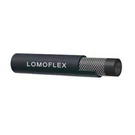
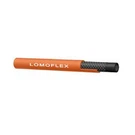
Special hydraulic hoses are designed to meet specific performance requirements in various industrial settings. They are typically engineered to withstand high pressures, extreme temperatures, and harsh environmental conditions. For example, Sae100 R7 Thermoplastic Hose and Sae100 R8 Thermoplastic Hose are two types of special hydraulic hoses that offer excellent flexibility, abrasion resistance, and chemical compatibility.


The construction of these hoses usually consists of an inner tube, reinforcement layer, and outer cover. The inner tube is in direct contact with the fluid being conveyed, and its material composition plays a vital role in determining the hose's suitability for food - grade applications. Common materials for the inner tube of special hydraulic hoses include synthetic rubber, thermoplastics, and fluoropolymers. Each material has its own set of properties, such as chemical resistance, temperature resistance, and flexibility.
Regulatory Requirements for Food - Grade Applications
When it comes to using hoses in food - grade applications, strict regulatory requirements must be met. These regulations are in place to ensure the safety and quality of the food products that come into contact with the hoses. In the United States, the Food and Drug Administration (FDA) has established guidelines for materials that can be used in food - contact applications. These guidelines specify the allowable substances, their limits, and the testing procedures that must be followed to demonstrate compliance.
In addition to FDA regulations, other international standards such as the European Union's Regulation (EC) No 1935/2004 and the German Federal Institute for Risk Assessment (BfR) also govern the use of hoses in food - grade applications. These standards cover a wide range of aspects, including the migration of substances from the hose material into the food, the resistance to microbial growth, and the overall safety of the hose.
Suitability of Special Hydraulic Hoses for Food - Grade Applications
Not all special hydraulic hoses are suitable for food - grade applications. The key factor is the material of the inner tube. For a hose to be used in food - grade applications, the inner tube must be made of a material that is approved for food contact. Some synthetic rubbers, such as nitrile rubber (NBR), are commonly used in hydraulic hoses but are not suitable for food - grade applications due to the potential for the migration of harmful substances into the food.
On the other hand, certain thermoplastics and fluoropolymers are more likely to meet the requirements for food - grade applications. For example, polyvinyl chloride (PVC) and polyethylene (PE) can be formulated to meet FDA and other international standards for food contact. Fluoropolymers, such as polytetrafluoroethylene (PTFE), are also widely used in food - grade hoses due to their excellent chemical resistance, non - stick properties, and low friction coefficient.
However, even if the inner tube material is approved for food contact, other factors such as the reinforcement layer and the outer cover must also be considered. The reinforcement layer should not release any harmful substances into the food, and the outer cover should be resistant to abrasion, chemicals, and environmental factors to prevent contamination of the food.
Practical Considerations in Food - Grade Applications
In addition to technical and regulatory requirements, there are several practical considerations when using special hydraulic hoses in food - grade applications. One of the main challenges is maintaining the cleanliness of the hoses. Food - grade hoses need to be regularly cleaned and sanitized to prevent the growth of bacteria, mold, and other microorganisms. This requires the use of appropriate cleaning agents and procedures that are compatible with the hose material.
Another practical consideration is the flexibility and durability of the hoses. In food - processing facilities, hoses may need to be bent, twisted, and moved around frequently. Therefore, the hoses should have sufficient flexibility to withstand these movements without kinking or breaking. At the same time, they should also be durable enough to resist wear and tear over a long period of time.
Conclusion
In conclusion, while some special hydraulic hoses can be used in food - grade applications, it is essential to carefully evaluate the hose's material composition, construction, and compliance with regulatory requirements. As a supplier of special hydraulic hoses, we understand the importance of providing our customers with hoses that meet the highest standards of safety and quality. We offer a range of hoses that are specifically designed for food - grade applications, including those made from FDA - approved materials.
If you are in the food and beverage industry and are looking for a reliable supplier of special hydraulic hoses for your food - grade applications, we would be happy to assist you. Our team of experts can help you select the right hose for your specific needs and ensure that it meets all the necessary regulatory requirements. Contact us today to start a discussion about your procurement needs and explore the options available to you.
References
- Food and Drug Administration (FDA). "Guidelines for Industry: Preparation of Premarket Submissions for Food Contact Substances: Chemistry Recommendations."
- European Union. Regulation (EC) No 1935/2004 on materials and articles intended to come into contact with food.
- German Federal Institute for Risk Assessment (BfR). "Recommendations for Food Contact Materials."