



As a supplier of oxygen acetylene hoses, I often get asked about the fire - resistance properties of these essential industrial tools. In this blog, I'll delve into the details of what makes an oxygen acetylene hose fire - resistant, the factors that influence its performance, and why it's crucial for various applications.
Understanding Oxygen Acetylene Hoses
Oxygen acetylene hoses are a vital component in many welding and cutting operations. They are designed to carry oxygen and acetylene gases from the storage cylinders to the welding or cutting torch. These hoses are typically made of rubber or synthetic materials, which are chosen for their flexibility, durability, and ability to withstand the pressures and chemical properties of the gases they carry. You can learn more about our Oxygen Acetylene Hose on our website.
Fire - Resistance Basics
Fire - resistance in an oxygen acetylene hose refers to its ability to withstand exposure to high temperatures and flames without catching fire, melting, or losing its structural integrity. This is a critical property because welding and cutting operations involve intense heat and open flames. A hose that is not fire - resistant can pose a significant safety hazard, potentially leading to fires, explosions, and serious injuries.
Material Composition and Fire - Resistance
The material used in the construction of an oxygen acetylene hose plays a crucial role in its fire - resistance. Most high - quality hoses are made from synthetic rubber compounds that are formulated to have excellent heat - resistant properties. These materials are designed to resist the ignition and spread of fire, even when exposed to high - temperature flames for extended periods.
For example, neoprene is a commonly used synthetic rubber in oxygen acetylene hoses. Neoprene has good resistance to heat, ozone, and chemicals, making it suitable for the harsh conditions of welding and cutting environments. It has a relatively high ignition temperature, which means it is less likely to catch fire when exposed to a flame.
Another material that can contribute to fire - resistance is the reinforcement layer within the hose. This layer is typically made of synthetic fibers such as polyester or aramid. These fibers provide strength and stability to the hose and can also enhance its fire - resistance. Aramid fibers, in particular, are known for their high - temperature resistance and are often used in applications where fire safety is a concern.

Design Features for Fire - Resistance
In addition to the material composition, the design of the oxygen acetylene hose can also impact its fire - resistance. Many hoses feature a multi - layer construction, with each layer serving a specific purpose. The outer layer is often designed to provide protection against abrasion, cuts, and environmental factors, as well as to enhance fire - resistance.
Some hoses have a special fire - resistant coating on the outer layer. This coating can act as a barrier, preventing the spread of fire and reducing the risk of the hose catching fire. The coating can also help to protect the inner layers of the hose from damage caused by heat and flames.
Testing and Certification
To ensure the fire - resistance of oxygen acetylene hoses, they are subject to rigorous testing and certification processes. These tests are designed to evaluate the hose's performance under various fire - related conditions, such as exposure to open flames, high - temperature heat sources, and radiant heat.
Hoses that meet the relevant safety standards and certifications are marked with specific labels or symbols. These markings indicate that the hose has been tested and approved for use in fire - prone environments. When purchasing an oxygen acetylene hose, it's important to look for these certifications to ensure that you are getting a high - quality, fire - resistant product.
Factors Affecting Fire - Resistance in Real - World Applications
While the material and design of an oxygen acetylene hose contribute to its fire - resistance, there are also several factors in real - world applications that can affect its performance.
Temperature and Duration of Exposure
The higher the temperature and the longer the exposure to fire, the more challenging it is for the hose to maintain its fire - resistance. In a welding or cutting operation, the heat generated can be extremely high, and if the hose is in close proximity to the flame for an extended period, it may be more likely to experience damage.
Physical Damage
Physical damage to the hose, such as cuts, abrasions, or punctures, can compromise its fire - resistance. A damaged hose may have weakened areas where the fire - resistant materials are no longer intact, making it more susceptible to catching fire. Regular inspection and maintenance of the hoses are essential to identify and address any physical damage promptly.
Chemical Exposure
The hoses may also be exposed to various chemicals in the welding and cutting environment. Some chemicals can react with the hose materials and reduce their fire - resistance. For example, certain solvents or cleaning agents can degrade the rubber or synthetic materials, making the hose more vulnerable to fire.
Comparison with Other Types of Hoses
It's interesting to compare the fire - resistance of oxygen acetylene hoses with other types of hoses, such as Rubber Water Hose and Twin Welding Hose.
Rubber water hoses are primarily designed for carrying water and are not typically exposed to the same high - temperature and fire - prone conditions as oxygen acetylene hoses. As a result, their fire - resistance requirements are much lower. They are usually made from materials that are more focused on flexibility and water - tightness rather than fire - resistance.
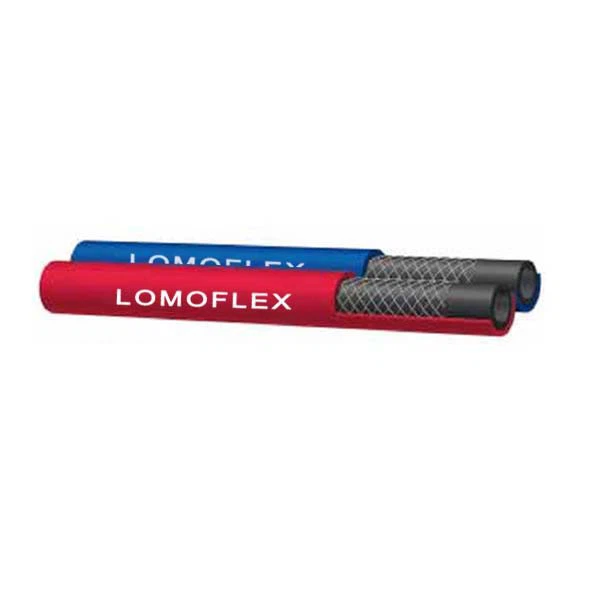
Twin welding hoses, on the other hand, are similar to oxygen acetylene hoses in that they are used in welding applications. However, the specific fire - resistance properties may vary depending on the design and material composition. Some twin welding hoses are designed to have enhanced fire - resistance to meet the specific needs of certain welding processes.
Importance of Fire - Resistance in Safety
The fire - resistance of oxygen acetylene hoses is of utmost importance in ensuring the safety of workers in welding and cutting operations. A fire - resistant hose can prevent fires and explosions, which can have catastrophic consequences. By using high - quality, fire - resistant hoses, companies can reduce the risk of workplace accidents and protect their employees and assets.
Contact for Procurement
If you are in the market for high - quality oxygen acetylene hoses with excellent fire - resistance properties, we are here to help. Our team of experts can provide you with detailed information about our products, answer your questions, and assist you in finding the right hose for your specific needs. We are committed to providing the best products and services to ensure your safety and satisfaction. Contact us today to start a procurement discussion.
References
- ASTM International. (Year). Standard Specification for Rubber Welding Hose.
- National Fire Protection Association. (Year). Fire Safety Standards for Industrial Welding and Cutting Operations.
- Hose Manufacturers Institute. (Year). Technical Guidelines for Oxygen Acetylene Hoses.