

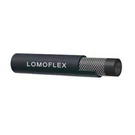
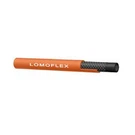


For those in the hydraulic industry, the SAE100R1AT hydraulic hose is a well - known component. As a supplier of SAE100R1AT hoses, I am often asked about the standards this hose meets. In this blog, I will delve into the various standards and explain their significance in ensuring the quality and performance of SAE100R1AT hoses.
SAE Standards
The Society of Automotive Engineers (SAE) has set specific standards for hydraulic hoses, and SAE100R1AT is no exception. The "SAE100R1" series is designed for general - purpose hydraulic applications. The "AT" in SAE100R1AT stands for "Anti - Abrasion Tube", which indicates a key characteristic of this type of hose.
Pressure Rating
One of the primary standards set by SAE for the SAE100R1AT hose is its pressure rating. These hoses are typically rated for working pressures up to a certain level, which is determined by the hose's construction and the materials used. For example, a standard SAE100R1AT hose might have a working pressure of around 2500 psi (pounds per square inch). This pressure rating ensures that the hose can safely handle the hydraulic fluid under normal operating conditions without bursting or leaking.
Temperature Range
The SAE also defines the temperature range within which the SAE100R1AT hose can operate effectively. Generally, the hose is designed to work in temperatures ranging from - 40°F to 212°F (- 40°C to 100°C). This wide temperature range makes the SAE100R1AT suitable for a variety of environments, from cold outdoor construction sites to warm industrial workshops. If the temperature exceeds this range, the performance of the hose may be affected. For instance, at extremely low temperatures, the rubber of the hose may become brittle, increasing the risk of cracking. At high temperatures, the rubber may soften and lose its ability to maintain the required pressure.
Burst Pressure
In addition to the working pressure, the SAE has a standard for the burst pressure of the SAE100R1AT hose. The burst pressure is the maximum pressure that the hose can withstand before it fails. Typically, the burst pressure of an SAE100R1AT hose is at least four times the working pressure. So, if the working pressure is 2500 psi, the burst pressure should be at least 10,000 psi. This large safety margin provides an extra layer of protection in case of sudden pressure spikes in the hydraulic system.
Construction Standards
The construction of the SAE100R1AT hose is also regulated by standards.
Inner Tube
The inner tube of the SAE100R1AT hose is made of synthetic rubber, which is resistant to the hydraulic fluids commonly used in the industry. The anti - abrasion feature of the inner tube is a key aspect of the SAE100R1AT. This anti - abrasion inner tube helps to prevent damage from particles in the hydraulic fluid, which could otherwise wear down the tube and cause leaks. The thickness of the inner tube is standardized to ensure proper fluid flow and pressure containment.
Reinforcement Layer
The reinforcement layer of the SAE100R1AT hose usually consists of one or two layers of high - tensile steel wire braid. The steel wire provides the hose with the strength to withstand the high pressures of the hydraulic system. The number of wire braids and the quality of the steel used are also regulated by standards. A proper reinforcement layer is essential for maintaining the shape of the hose under pressure and preventing it from collapsing or bulging.
Outer Cover
The outer cover of the SAE100R1AT hose is made of synthetic rubber, which is resistant to abrasion, ozone, and weathering. The outer cover protects the inner components of the hose from external damage. It has a certain thickness and hardness, which are specified in the standards. A durable outer cover ensures a long service life for the hose, especially in harsh working environments.
Comparison with Other Standards
It is also useful to compare SAE100R1AT with other similar hose standards, such as Din En857 1sc and Din En857 2sc.
Din En857 1sc
The Din En857 1sc standard is a European standard for hydraulic hoses. While it shares some similarities with the SAE100R1AT, there are also differences. For example, the pressure ratings and the construction details may vary. The Din En857 1sc hose is often used in European - based hydraulic systems, and its design may be more tailored to the specific requirements of European industries. However, both standards aim to provide reliable hydraulic hoses for general - purpose applications.
Din En857 2sc
The Din En857 2sc standard also pertains to hydraulic hoses. Compared to SAE100R1AT, the Din En857 2sc hose may have a different number of reinforcement layers or a different type of inner tube material. The Din En857 2sc is often designed for higher - pressure applications, as it typically has two layers of steel wire braid for better reinforcement.
Hydraulic Rubber Hose Sae100 R17
The Hydraulic Rubber Hose Sae100 R17 is another SAE - standard hose. It is designed for more severe applications compared to SAE100R1AT. The Sae100 R17 hose usually has a higher pressure rating and a more robust construction, such as a thicker inner tube and a greater number of reinforcement layers.
Importance of Meeting Standards
Meeting the SAE and other relevant standards for SAE100R1AT hoses is of utmost importance.
Safety
Standards ensure the safety of the hydraulic system. A hose that meets the pressure and burst - pressure standards is less likely to fail under normal operating conditions, reducing the risk of accidents such as hydraulic fluid leaks or explosions. The temperature - range standard also ensures that the hose can operate safely in different environments.
Performance
When a hose meets the construction standards, it performs optimally. The proper inner - tube design allows for smooth fluid flow, while the reinforcement layer provides the necessary strength. The outer - cover standard ensures that the hose is protected from external factors, maintaining its performance over time.
Compatibility
Standards also ensure compatibility with other components in the hydraulic system. A hose that meets the SAE100R1AT standards can be easily connected to other hydraulic fittings and components that are designed to work with this type of hose, ensuring a seamless and efficient hydraulic system.
Contact for Purchase and Consultation
If you are in need of high - quality SAE100R1AT hoses that meet all the relevant standards, I encourage you to reach out and start a conversation. Whether you have specific requirements for your hydraulic system or need advice on the best hose for your application, I am here to assist. Contact me to discuss your needs and explore how our SAE100R1AT hoses can meet your expectations.


References
- Society of Automotive Engineers (SAE) standards documentation for hydraulic hoses.
- European standards for hydraulic hoses (e.g., Din En857 series).
- Industry publications on hydraulic systems and hose technology.