

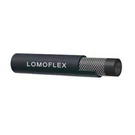



Hey there! As a supplier of suction and discharge water hoses, I've seen firsthand the challenges these hoses face in harsh environments. Ensuring their safety is crucial, not just for the longevity of the hoses but also for the smooth operation of various industrial and commercial applications. So, let's dive into how we can keep these hoses safe in tough conditions.
Understanding the Harsh Environment
First off, we need to know what kind of harsh environments we're dealing with. Harsh environments can include extreme temperatures, exposure to chemicals, abrasion, and high-pressure situations. For example, in an industrial setting, hoses might be exposed to corrosive chemicals, while in a construction site, they could be subject to rough handling and abrasion.
Extreme temperatures can be a real problem. In cold weather, the hose material can become brittle, making it more prone to cracking. On the other hand, high temperatures can cause the hose to soften and lose its structural integrity. Chemical exposure is another major concern. Certain chemicals can break down the hose material over time, leading to leaks and failures. Abrasion, whether from rubbing against rough surfaces or being dragged across the ground, can wear down the outer layer of the hose, weakening it.
Choosing the Right Hose
The first step in ensuring hose safety is choosing the right one for the job. Not all suction and discharge water hoses are created equal. You need to consider factors like the type of fluid being transported, the pressure requirements, and the environmental conditions.
For instance, if you're dealing with chemicals, you'll need a hose that's resistant to those specific chemicals. Our Suction and Discharge Water Hose is designed to handle a wide range of fluids, including water and some mild chemicals. It's made from high-quality materials that can withstand various environmental conditions.
If you're working in an area with a lot of abrasion, look for a hose with a thick outer layer or a special abrasion-resistant coating. We also offer Suction and Discharge Oil Hose for applications involving oil and other petroleum-based products. These hoses are designed to be resistant to oil and have the necessary strength to handle the pressure.
Installation and Maintenance
Proper installation is key to ensuring the safety of your suction and discharge water hoses. Make sure the hose is installed correctly, with no kinks or twists. Kinks can restrict the flow of fluid and put extra stress on the hose, increasing the risk of failure.


Regular maintenance is also essential. Inspect the hoses regularly for signs of wear and tear, such as cracks, leaks, or bulges. Check the fittings to make sure they're tight and secure. If you notice any problems, replace the hose or the fittings as soon as possible.
It's also a good idea to clean the hoses regularly, especially if they're used to transport dirty or corrosive fluids. This can help prevent the buildup of debris and chemicals, which can damage the hose over time.
Handling and Storage
How you handle and store your hoses can also have a big impact on their safety. When handling the hoses, be careful not to drag them across rough surfaces or expose them to sharp objects. Use proper lifting equipment to avoid putting too much stress on the hose.
When it comes to storage, keep the hoses in a cool, dry place away from direct sunlight and heat sources. Avoid storing them in a way that causes them to be bent or compressed for long periods of time. This can cause the hose to lose its shape and flexibility, making it more prone to damage.
Training and Education
Finally, it's important to train your employees on how to use and maintain the suction and discharge water hoses properly. Make sure they understand the potential hazards and know how to identify and address any problems. Provide them with the necessary tools and equipment to handle the hoses safely.
By investing in training and education, you can reduce the risk of accidents and ensure the long-term safety of your hoses.
Conclusion
Ensuring the safety of suction and discharge water hoses in a harsh environment is a multi-faceted process. It starts with choosing the right hose for the job, followed by proper installation, maintenance, handling, and storage. By taking these steps, you can minimize the risk of hose failure and keep your operations running smoothly.
If you're in the market for high-quality suction and discharge water hoses, we're here to help. Our hoses are designed to meet the highest standards of safety and performance. Contact us today to discuss your specific needs and find the right hose for your application.
References
- Industry standards and guidelines for suction and discharge hoses
- Manufacturer's specifications and recommendations for hose use and maintenance