

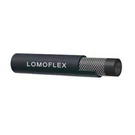
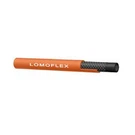


When it comes to compressed air systems, the question of whether an air hose assembly can be used is both relevant and crucial. As a supplier of Air Hose Assembly, I've encountered numerous inquiries regarding the compatibility and functionality of air hose assemblies within compressed air setups. In this blog, I'll delve into the details, exploring the suitability, benefits, and considerations of using air hose assemblies with compressed air systems.
Understanding Compressed Air Systems
Compressed air systems are widely used across various industries, from manufacturing and automotive to construction and food processing. These systems work by compressing air, which is then stored in tanks or used directly to power tools, equipment, and machinery. The key components of a compressed air system typically include an air compressor, storage tank, filters, regulators, and distribution lines.
The compressed air generated by the system needs to be transported safely and efficiently to the point of use. This is where air hose assemblies come into play. They serve as the vital link between the compressed air source and the equipment that utilizes the air.
Suitability of Air Hose Assemblies for Compressed Air Systems
Air hose assemblies are indeed well - suited for use with compressed air systems. They are designed to handle the specific pressures and flow rates associated with compressed air. Most air hose assemblies are constructed from materials that can withstand the rigors of compressed air, such as synthetic rubber, PVC, or polyurethane.
Synthetic rubber hoses, for example, offer excellent flexibility and durability. They can handle a wide range of temperatures and pressures, making them suitable for both indoor and outdoor applications. PVC hoses are lightweight and cost - effective, making them a popular choice for less demanding compressed air tasks. Polyurethane hoses, on the other hand, are known for their high abrasion resistance and long service life, which is ideal for industrial environments where the hose may be exposed to rough surfaces.
In addition to the material, the design of air hose assemblies is optimized for compressed air use. They are often equipped with fittings that provide a secure and leak - free connection. These fittings are available in various types, such as quick - connect fittings, which allow for easy and rapid attachment and detachment of the hose to the compressed air system.
Benefits of Using Air Hose Assemblies in Compressed Air Systems
1. Flexibility
One of the primary benefits of air hose assemblies is their flexibility. They can be easily routed around obstacles and can be extended or retracted as needed. This is particularly useful in industrial settings where equipment may need to be moved or repositioned frequently. For example, in an automotive repair shop, a flexible air hose assembly allows mechanics to move freely around a vehicle while using air - powered tools.
2. Safety
Air hose assemblies are designed with safety in mind. They are tested to ensure that they can handle the pressures generated by compressed air systems without bursting or leaking. Additionally, many hoses are equipped with safety features such as burst - resistant covers and anti - kink designs. These features help to prevent accidents and ensure the safe operation of the compressed air system.
3. Efficiency
By using an air hose assembly, the flow of compressed air can be more effectively controlled. The right hose diameter and length can be selected to match the requirements of the equipment being powered. This helps to minimize pressure drops and ensure that the equipment receives the optimal amount of compressed air, resulting in improved efficiency and performance.
4. Cost - Effectiveness
Compared to permanent piping systems, air hose assemblies are generally more cost - effective. They are relatively inexpensive to purchase and install, and they can be easily replaced if damaged. This makes them a practical choice for small and medium - sized businesses that may not have the budget for a large - scale compressed air piping system.
Considerations When Using Air Hose Assemblies with Compressed Air Systems
1. Pressure Rating
It is essential to select an air hose assembly with a pressure rating that is suitable for the compressed air system. The pressure rating indicates the maximum pressure that the hose can safely handle. Using a hose with a lower pressure rating than the system's operating pressure can lead to hose failure, which can be dangerous.

2. Temperature Range
The temperature of the compressed air and the environment in which the hose will be used should also be considered. Different hose materials have different temperature tolerances. For example, some hoses may become brittle in cold temperatures, while others may soften or degrade in high - temperature environments.
3. Hose Length and Diameter
The length and diameter of the air hose assembly can affect the performance of the compressed air system. A longer hose will result in a greater pressure drop, which can reduce the efficiency of the equipment. Similarly, using a hose with a diameter that is too small can also cause pressure drops. It is important to choose the appropriate length and diameter based on the requirements of the equipment and the distance between the compressed air source and the point of use.
4. Compatibility with Fittings
The fittings used with the air hose assembly must be compatible with both the hose and the compressed air system. Incorrect fittings can lead to leaks and reduced performance. It is recommended to use fittings that are specifically designed for the type of hose and the compressed air application.
Maintenance of Air Hose Assemblies in Compressed Air Systems
Proper maintenance of air hose assemblies is crucial to ensure their long - term performance and safety. Regular inspections should be carried out to check for signs of wear, damage, or leaks. Any damaged or worn parts, such as hoses or fittings, should be replaced immediately.
The hoses should be kept clean and free from debris. If the hose is exposed to chemicals or other contaminants, it may need to be cleaned or replaced to prevent degradation. Additionally, the hoses should be stored properly when not in use to prevent kinking, abrasion, and exposure to extreme temperatures.
Conclusion
In conclusion, air hose assemblies are a viable and beneficial option for use with compressed air systems. They offer flexibility, safety, efficiency, and cost - effectiveness. However, it is important to carefully consider factors such as pressure rating, temperature range, hose length and diameter, and fitting compatibility when selecting an air hose assembly. By following proper maintenance procedures, the lifespan and performance of the air hose assembly can be maximized.
If you're in the market for high - quality air hose assemblies for your compressed air system, I encourage you to reach out to discuss your specific requirements. Whether you're a small workshop or a large industrial facility, we have the expertise and products to meet your needs. Contact us to start a conversation about how our air hose assemblies can enhance the performance and safety of your compressed air system.
References
- Compressed Air and Gas Institute (CAGI). Compressed Air System Handbook.
- American Society of Mechanical Engineers (ASME). B31.9 - Building Services Piping Code.
- Hose Manufacturers Institute (HMI). Industry Standards for Hose Assemblies.