





Hey there! As a supplier of oxygen acetylene hoses, I've seen my fair share of damaged hoses over the years. And let me tell you, it can be a real pain in the neck when your hose starts acting up. But don't worry, I'm here to walk you through the process of repairing a damaged oxygen acetylene hose.
First things first, safety is always the number one priority. Before you even think about starting the repair process, make sure you've turned off the oxygen and acetylene tanks. This will prevent any potential gas leaks or explosions. Also, wear appropriate safety gear like gloves and goggles to protect yourself from any sharp edges or debris.
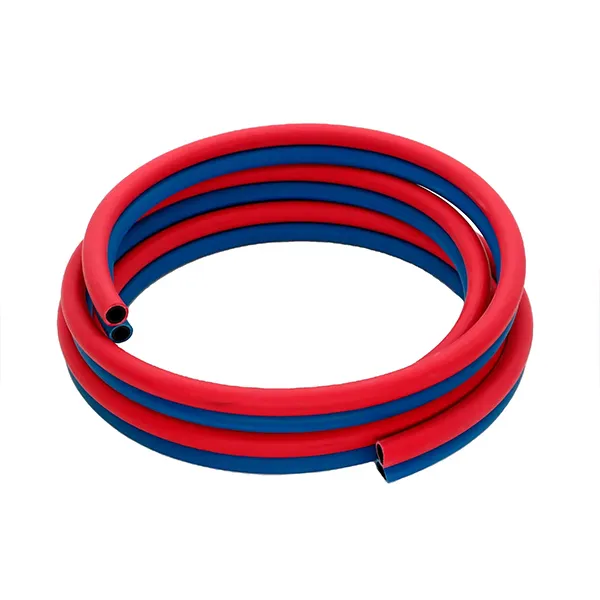

Once you've taken the necessary safety precautions, it's time to assess the damage. Look for any visible cuts, tears, or holes in the hose. If the damage is minor, like a small cut or abrasion, you might be able to patch it up. But if the hose is severely damaged, with large tears or multiple holes, it's probably best to replace it altogether.
For minor damage, you'll need a few tools and materials. You'll need a hose repair kit, which usually includes patches, clamps, and adhesive. You might also need a utility knife to trim any frayed edges. Start by cleaning the damaged area of the hose with a clean cloth to remove any dirt or debris. This will help the patch adhere better.
Next, cut a patch from the repair kit that's slightly larger than the damaged area. Apply the adhesive to both the patch and the damaged area of the hose, following the instructions on the adhesive. Make sure to spread the adhesive evenly. Then, carefully place the patch over the damaged area and press it down firmly. Use a clamp to hold the patch in place while the adhesive dries. This usually takes a few hours, so be patient.
If the damage is more severe, like a large tear, you might need to use a coupling to join two pieces of the hose together. In this case, you'll need to cut out the damaged section of the hose using a utility knife. Make sure to cut the hose as straight as possible. Then, slide the coupling onto one end of the hose. Apply a small amount of lubricant to the inside of the coupling to make it easier to slide on.
Next, insert the other end of the hose into the coupling. Make sure the ends of the hose are aligned properly. Then, use a clamp to secure the coupling in place. You can use a pair of pliers to tighten the clamp. This will create a tight seal and prevent any gas leaks.
After you've completed the repair, it's important to test the hose to make sure it's working properly. Reconnect the hose to the oxygen and acetylene tanks, but keep the tanks turned off for now. Use a soapy water solution to check for any leaks. Apply the solution to all the connections and the repaired area. If you see any bubbles forming, it means there's a leak. In this case, you'll need to tighten the connections or reapply the patch.
Once you're satisfied that there are no leaks, you can turn on the oxygen and acetylene tanks and test the torch. Make sure the flame is stable and there are no signs of any problems. If everything looks good, you're all set!
Now, I know that sometimes, even with the best repairs, a hose might not last forever. That's why we offer a wide range of high - quality oxygen acetylene hoses. And we also have other types of hoses like Fuel Oil Hose, Twin Welding Hose, and Rubber Air Hose. Our hoses are made from durable materials and are designed to withstand the rigors of industrial use.
If you're in the market for new hoses or have any questions about hose repair, don't hesitate to reach out. We're here to help you find the right hoses for your needs and provide you with the best advice on maintenance and repair. Whether you're a professional welder or a DIY enthusiast, we've got you covered.
In conclusion, repairing a damaged oxygen acetylene hose can be a bit of a hassle, but it's definitely doable with the right tools and know - how. Just remember to prioritize safety, assess the damage carefully, and follow the proper repair procedures. And if you ever need new hoses, we're your go - to supplier.
References
- Welding Equipment Handbook
- Industrial Hose Maintenance Guide