



As a wire braid hose supplier, ensuring the compatibility of our products with various fluids is of utmost importance. In this blog, I'll share some key steps and considerations on how to check the compatibility of a wire braid hose with a fluid. This knowledge will not only help our customers make the right choices but also ensure the safe and efficient operation of their systems.
Understanding the Basics of Compatibility
Before delving into the checking process, it's essential to understand what compatibility means in the context of wire braid hoses and fluids. Compatibility refers to the ability of the hose materials, including the inner tube, outer cover, and reinforcement layers, to withstand the chemical and physical effects of the fluid without significant degradation. If a hose is not compatible with a fluid, it can lead to issues such as swelling, cracking, leakage, and reduced service life.
Identifying the Fluid Properties
The first step in checking compatibility is to accurately identify the properties of the fluid that will be flowing through the hose. Here are some key aspects to consider:

Chemical Composition
The chemical nature of the fluid is a crucial factor. Different fluids, such as hydraulic oils, fuels, water, and chemicals, have distinct chemical compositions that can interact differently with the hose materials. For example, petroleum - based hydraulic oils may have different compatibility requirements compared to synthetic hydraulic fluids. It's important to know if the fluid contains any additives, solvents, or corrosive substances.
Temperature Range
The operating temperature of the fluid can significantly affect the hose's compatibility. High temperatures can accelerate chemical reactions between the fluid and the hose materials, leading to faster degradation. On the other hand, low temperatures can make the hose materials brittle and more prone to cracking. Determine the minimum and maximum temperatures that the fluid will reach during normal operation.
Pressure
The pressure of the fluid in the system is another critical parameter. High - pressure applications require hoses with sufficient strength and resistance to prevent bursting. The pressure can also influence the rate of fluid permeation through the hose walls, which may be a concern for some fluids.
Selecting the Right Hose Materials
Based on the fluid properties, we need to select the appropriate hose materials. Here are the main components of a wire braid hose and their compatibility considerations:
Inner Tube
The inner tube is in direct contact with the fluid, so its material must be highly resistant to the fluid's chemical and physical effects. Common materials for inner tubes include nitrile rubber (NBR) for general - purpose hydraulic applications, fluorocarbon rubber (FKM) for high - temperature and chemical - resistant applications, and ethylene - propylene diene monomer (EPDM) for water - based fluids.
Reinforcement Layers
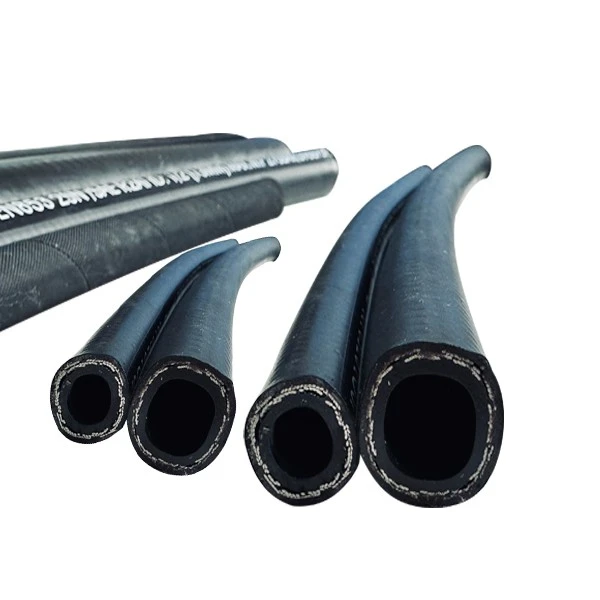
The wire braid in the hose provides strength and pressure resistance. The type of wire and its coating can also affect compatibility. For example, stainless steel wire is more resistant to corrosion than carbon steel wire, which may be a better choice when dealing with corrosive fluids.
Outer Cover
The outer cover protects the hose from external factors such as abrasion, weathering, and ozone. It should also be compatible with the environment in which the hose will be used. Materials like chloroprene rubber (CR) are commonly used for outer covers due to their good resistance to abrasion and weather.
Conducting Compatibility Tests
In some cases, it may be necessary to conduct compatibility tests to ensure the hose's performance. Here are some common testing methods:
Immersion Tests
Immersion tests involve submerging a sample of the hose material in the fluid for a specified period at a controlled temperature. After the immersion period, the sample is inspected for changes in appearance, such as swelling, discoloration, or cracking. Physical properties like hardness, tensile strength, and elongation can also be measured before and after the test to determine the degree of degradation.
Flow Tests
Flow tests simulate the actual operating conditions of the hose. The fluid is pumped through the hose at the expected pressure and temperature, and the hose is monitored for any signs of leakage, pressure drop, or other performance issues. This test can provide valuable information about the hose's long - term compatibility and performance.
Referring to Industry Standards and Specifications
There are several industry standards and specifications that can help in determining the compatibility of wire braid hoses with fluids. For example:
- Sae100 R5 is a standard that defines the requirements for certain types of wire braid hoses used in hydraulic applications. It provides guidelines on the materials, dimensions, and performance characteristics of the hoses, which can be used as a reference for compatibility.
- Din En857 1sc is a European standard that specifies the requirements for single - wire - braid hydraulic hoses. It includes information on the compatibility of the hoses with different fluids and operating conditions.
- Din En853 1sn is another European standard for single - wire - braid hydraulic hoses. It provides detailed specifications for the hose construction, materials, and performance, which can assist in ensuring compatibility.
Consulting with Experts
If you're still unsure about the compatibility of a wire braid hose with a fluid, it's a good idea to consult with experts. Our team at the company has extensive experience in the wire braid hose industry and can provide professional advice based on your specific requirements. We can help you analyze the fluid properties, select the appropriate hose materials, and recommend the best testing methods.
Making a Purchase Decision
Once you've determined the compatibility of the wire braid hose with the fluid, you can make an informed purchase decision. Consider factors such as the quality of the hose, the reputation of the supplier, and the cost. At our company, we offer a wide range of high - quality wire braid hoses that are designed to meet the diverse needs of our customers. We are committed to providing excellent customer service and ensuring that our products meet the highest standards of quality and performance.
If you're interested in purchasing wire braid hoses for your application, we encourage you to contact us for further discussions. Our sales team will be happy to assist you in selecting the right products and providing you with a competitive quote.
References
- Hydraulic Hose Handbook, Parker Hannifin Corporation
- Hose Assembly Design and Application Guide, Eaton Corporation
- Rubber Handbook, van der Does Rubber Consultants