

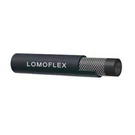
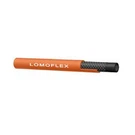


Hey there! As a supplier of oxygen acetylene hoses, I've seen firsthand how crucial it is to ensure the quality of these hoses. After all, they play a vital role in many industrial applications, and any issues with their quality can lead to serious safety hazards. So, in this blog post, I'm going to share some tips on how to check the quality of an oxygen acetylene hose.


1. Visual Inspection
The first step in checking the quality of an oxygen acetylene hose is a thorough visual inspection. Start by looking at the outer surface of the hose. It should be smooth and free from any cuts, abrasions, or bulges. These can be signs of damage that could compromise the integrity of the hose.
If you notice any cracks or splits, that's a major red flag. Even small cracks can grow over time, leading to leaks. And when it comes to oxygen and acetylene, leaks can be extremely dangerous. So, if you see any cracks, it's best to replace the hose immediately.
Also, check the color of the hose. Oxygen hoses are typically green, while acetylene hoses are red. This color - coding is important for safety reasons, so make sure the colors are correct and not faded.
2. Check the Fittings
The fittings on an oxygen acetylene hose are just as important as the hose itself. They should be securely attached to the hose and free from any signs of corrosion or damage.
Inspect the threads on the fittings. They should be clean and undamaged. If the threads are worn or stripped, it can lead to a poor connection, which may result in leaks. You can use a thread gauge to check the accuracy of the threads.
The O - rings on the fittings are also crucial. They create a seal to prevent gas from leaking. Make sure the O - rings are in good condition, without any signs of cracking or drying out. If an O - ring is damaged, it should be replaced.
3. Pressure Testing
Pressure testing is a key step in determining the quality of an oxygen acetylene hose. You can use a pressure testing kit to check if the hose can withstand the required pressure.
First, make sure the hose is properly connected to the testing equipment. Then, gradually increase the pressure to the recommended level for the hose. The hose should hold the pressure without any visible signs of bulging or leaking.
It's important to follow the manufacturer's guidelines for pressure testing. Over - pressurizing the hose can cause damage, while under - pressurizing may not accurately test its strength. If the hose fails the pressure test, it should not be used and should be replaced.
4. Flexibility and Durability
An oxygen acetylene hose needs to be flexible enough to be easily maneuvered in different work environments. Try bending the hose at various angles. It should be able to bend without kinking or cracking.
Also, consider the durability of the hose. It should be resistant to abrasion, ozone, and other environmental factors. You can check the manufacturer's specifications to see what kind of environmental conditions the hose is designed to withstand. For example, if the hose will be used in a harsh industrial environment, it should have a high level of resistance to chemicals and rough handling.
5. Material Quality
The material of the hose is a major factor in its quality. High - quality oxygen acetylene hoses are usually made from rubber or a synthetic rubber compound.
Rubber hoses, like the Rubber Air Hose, are known for their flexibility and durability. They can withstand a wide range of temperatures and pressures. Synthetic rubber compounds are often used to enhance the hose's resistance to chemicals and other environmental factors.
You can also look at the inner lining of the hose. It should be smooth and free from any impurities. A rough or uneven inner lining can cause gas flow problems and increase the risk of leaks.
6. Twin Welding Hose Considerations
If you're using a Twin Welding Hose, there are some additional things to check. The two hoses should be securely bonded together. Check for any signs of separation between the hoses.
Also, make sure that each hose in the twin set is properly labeled for oxygen and acetylene. This is important for safety and to ensure that the gases are flowing through the correct hoses.
7. Compatibility
The oxygen acetylene hose must be compatible with the equipment it will be used with. Check the manufacturer's specifications to make sure the hose can handle the flow rate and pressure requirements of your welding or cutting equipment.
For example, if you have a high - powered welding machine, you'll need a hose that can handle a higher flow rate of oxygen and acetylene. Using an incompatible hose can lead to poor performance and safety issues.
8. Storage and Handling
Proper storage and handling of the oxygen acetylene hose can also affect its quality. When not in use, the hose should be stored in a cool, dry place away from direct sunlight and heat sources. Exposure to extreme temperatures can damage the hose material.
Avoid dragging the hose across rough surfaces, as this can cause abrasions. Also, make sure the hose is not twisted or kinked when it's being stored or used.
Conclusion
Checking the quality of an oxygen acetylene hose is a multi - step process that requires careful attention to detail. By following these tips, you can ensure that your hoses are safe and reliable for your industrial applications.
If you're in the market for high - quality oxygen acetylene hoses, or other types of hoses like Rubber Water Hose, I'm here to help. We offer a wide range of hoses that meet the highest quality standards. If you have any questions or are interested in purchasing, feel free to reach out and start a conversation about your specific needs. We can work together to find the perfect hose solutions for your business.
References
- Welding Equipment Manufacturer's Association (WEMA) guidelines on hose safety and quality.
- Occupational Safety and Health Administration (OSHA) regulations regarding the use of oxygen acetylene hoses.
- Manufacturer's product manuals for oxygen acetylene hoses.