




As a supplier of SAE100 R5 hydraulic hoses, I understand the importance of maintaining these products in optimal condition. SAE100 R5 hoses are commonly used in hydraulic systems, and proper cleaning is crucial for their performance, longevity, and safety. In this blog, I will share some effective methods on how to clean SAE100 R5 hoses.
Understanding SAE100 R5 Hoses
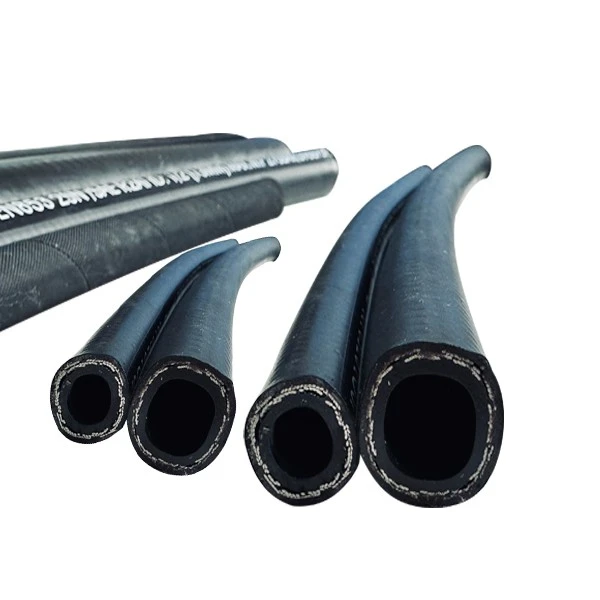
Before diving into the cleaning process, it's essential to have a basic understanding of SAE100 R5 hoses. These hoses are designed for low - to medium - pressure hydraulic applications. They typically have a synthetic rubber inner tube, a single wire braid reinforcement layer, and a synthetic rubber cover. The combination of these materials provides flexibility, durability, and resistance to various hydraulic fluids.
The quality and cleanliness of SAE100 R5 hoses can significantly impact the performance of hydraulic systems. Contaminants such as dirt, debris, and hydraulic fluid residues can cause wear and tear on the hoses, leading to leaks, reduced flow rates, and even system failures. Therefore, regular cleaning is a necessary maintenance step.
Pre - cleaning Precautions
Safety should always be the top priority when cleaning SAE100 R5 hoses. First of all, make sure the hydraulic system is shut down and depressurized. This prevents any unexpected fluid release that could cause injury. Wear appropriate personal protective equipment (PPE), including gloves and safety glasses, to protect yourself from hydraulic fluids and cleaning chemicals.
Inspect the hoses for any visible signs of damage, such as cuts, abrasions, or bulges. If any damage is found, it's recommended to replace the hose instead of attempting to clean it, as a damaged hose may not function properly even after cleaning.
Step - by - Step Cleaning Process
1. External Inspection and Initial Cleaning
Start by visually inspecting the external surface of the SAE100 R5 hose. Remove any loose dirt, dust, or debris using a soft - bristle brush or a dry cloth. This preliminary cleaning helps to prevent scratching the hose surface during the subsequent cleaning steps.
If the hose is heavily soiled, you can use a mild soap solution. Mix a small amount of mild detergent with water in a bucket. Dip a clean cloth or sponge into the solution and gently wipe the entire length of the hose. Rinse the hose thoroughly with clean water to remove the soap residue.
2. Cleaning the Inner Tube
The inner tube of the SAE100 R5 hose can accumulate hydraulic fluid residues and contaminants over time. To clean the inner tube, you can use a specialized hydraulic hose cleaning kit. These kits usually come with a cleaning solution specifically formulated for hydraulic hoses and a flushing device.
First, connect the flushing device to one end of the hose. Pour the appropriate amount of cleaning solution into the device. Start the flushing process, allowing the cleaning solution to flow through the inner tube of the hose. The cleaning solution will dissolve the contaminants and carry them out of the other end of the hose.
It's important to follow the manufacturer's instructions when using the cleaning solution. Some solutions may require a specific contact time to effectively clean the inner tube. After flushing with the cleaning solution, rinse the inner tube with clean hydraulic fluid to remove any remaining cleaning solution residues.
3. Cleaning the Fittings
The fittings on SAE100 R5 hoses are critical components that need to be kept clean. Use a small brush or a cleaning pick to remove any dirt or debris from the threads and sealing surfaces of the fittings. You can also soak the fittings in a cleaning solution for a short period to remove stubborn contaminants.
After cleaning, dry the fittings thoroughly with a clean cloth. Apply a small amount of anti - seize compound to the threads to prevent corrosion and make future disassembly easier.
4. Drying the Hose
Once the cleaning process is completed, it's crucial to dry the SAE100 R5 hose thoroughly. Excess moisture can lead to corrosion and the growth of mold and mildew, which can damage the hose over time.
Hang the hose in a well - ventilated area and allow it to air dry naturally. Avoid exposing the hose to direct sunlight or high - heat sources, as this can cause the rubber materials to degrade.
Comparing with Similar Products
In the hydraulic hose market, there are several similar products to SAE100 R5, such as Din En853 1sn, Din En857 2sc, and Din En853 2sn. While the basic cleaning principles are similar, there are some differences in their construction and application scenarios.
Din En853 1sn hoses are single - wire braid hydraulic hoses, similar to SAE100 R5 in terms of the reinforcement layer. However, they may have different inner tube and cover materials, which can affect the choice of cleaning agents. Din En857 2sc hoses have a double - wire spiral reinforcement, making them more suitable for high - pressure applications. The cleaning process for these hoses may require more powerful cleaning solutions due to the higher - pressure nature of their use. Din En853 2sn hoses are also double - wire braid hoses, and their cleaning may need to pay more attention to the protection of the double - braid structure.
Importance of Regular Cleaning
Regular cleaning of SAE100 R5 hoses offers numerous benefits. Firstly, it extends the service life of the hoses. By removing contaminants, the wear and tear on the hose materials are reduced, which means the hoses can last longer. Secondly, it improves the performance of the hydraulic system. Clean hoses ensure a smooth flow of hydraulic fluid, reducing pressure drops and improving the overall efficiency of the system. Finally, it enhances safety. Leaky or damaged hoses can pose a significant safety risk in a hydraulic system. Regular cleaning helps to identify and prevent such issues.
Conclusion
Cleaning SAE100 R5 hoses is a vital maintenance task that requires careful attention to detail. By following the steps outlined in this blog, you can ensure that your SAE100 R5 hoses remain in excellent condition, providing reliable performance in your hydraulic systems.
If you are in need of high - quality SAE100 R5 hoses or have any questions about their maintenance and cleaning, I encourage you to contact us for a purchase consultation. Our team of experts is always ready to assist you.

References
- Manufacturer's manuals of SAE100 R5 hydraulic hoses
- Technical documents on hydraulic system maintenance