

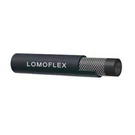
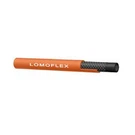


Troubleshooting problems with a suction and discharge oil hose is a crucial skill for anyone involved in the handling and transfer of oil. As a supplier of high - quality Suction and Discharge Oil Hose, I understand the importance of ensuring these hoses perform optimally. In this blog post, I'll share some practical steps and tips on how to troubleshoot common issues with suction and discharge oil hoses.
1. Visual Inspection
The first step in troubleshooting any hose problem is a thorough visual inspection. Start by examining the entire length of the hose. Look for signs of physical damage such as cuts, abrasions, bulges, or cracks. Cuts and abrasions can occur due to rough handling, contact with sharp objects, or improper storage. These can lead to oil leakage, which not only causes environmental hazards but also reduces the efficiency of the oil transfer process.
Bulges in the hose are often an indication of internal damage or excessive pressure. If the reinforcement layer inside the hose is damaged, the pressure from the oil can cause the outer layer to bulge. Cracks can develop over time due to exposure to extreme temperatures, chemicals, or UV radiation. If you notice any of these signs, it's important to take immediate action. Depending on the severity of the damage, you may need to repair or replace the hose.
2. Check for Blockages
Blockages are a common problem in suction and discharge oil hoses. A blockage can prevent the proper flow of oil, reducing the efficiency of the transfer system. To check for blockages, start by disconnecting the hose from the equipment at both ends. Then, use a flashlight to look inside the hose. If you see any debris, such as dirt, rust, or solidified oil, it's likely that there is a blockage.
You can try to remove the blockage by using a long, flexible rod or a high - pressure air or water jet. If the blockage is close to the end of the hose, you may be able to reach it with a stick or a wire. However, if the blockage is deep inside the hose, you may need to use a more powerful method. In some cases, if the blockage cannot be removed, the hose may need to be replaced.
3. Examine the Connections
Loose or damaged connections can also cause problems with suction and discharge oil hoses. Check the connections at both ends of the hose to ensure they are tight and secure. Look for signs of leakage around the connections. If you notice any oil seeping out, it's likely that the connection is not properly tightened or that there is a damaged sealing gasket.
To fix a loose connection, use a wrench to tighten the fittings. If the gasket is damaged, replace it with a new one. Make sure to use the correct size and type of gasket for your specific hose and connection. Additionally, check for any corrosion or wear on the fittings. Corroded fittings can weaken the connection and increase the risk of leakage. If necessary, clean or replace the fittings.
4. Evaluate the Pressure
Incorrect pressure can have a significant impact on the performance of suction and discharge oil hoses. If the pressure is too high, it can cause the hose to burst or develop bulges. On the other hand, if the pressure is too low, it may result in inefficient oil transfer.


To evaluate the pressure, use a pressure gauge. Connect the pressure gauge to the hose at a suitable point in the system. Compare the reading on the pressure gauge with the recommended pressure range for your specific hose. If the pressure is outside the recommended range, you need to adjust it. This may involve adjusting the settings on the pumping equipment or checking for any restrictions in the system that could be affecting the pressure.
5. Consider the Temperature
Temperature can also affect the performance of suction and discharge oil hoses. Extreme temperatures can cause the hose material to become brittle or soft, leading to cracks or leaks. If the hose is exposed to high temperatures, it may expand, which can put additional stress on the connections.
Check the temperature of the oil and the surrounding environment. Make sure the hose is rated for the temperature conditions in which it is operating. If the temperature is too high, you may need to use a heat - resistant hose or install a cooling system. If the temperature is too low, the oil may become more viscous, which can increase the pressure in the hose. In this case, you may need to use a heater to warm the oil or choose a hose that is more suitable for cold temperatures.
6. Check for Compatibility
It's essential to ensure that the suction and discharge oil hose is compatible with the type of oil being transferred. Different types of oil have different chemical properties, and using an incompatible hose can cause the hose material to degrade over time.
Check the specifications of your hose to make sure it is designed for the specific type of oil you are using. If you are unsure, consult the manufacturer's guidelines or contact a technical expert. Using an incompatible hose can lead to premature failure, leakage, and potential safety hazards.
7. Look for Wear and Tear
Over time, suction and discharge oil hoses will experience wear and tear. This can be due to normal use, exposure to the elements, or repeated bending and flexing. Check the hose for signs of wear, such as thinning of the outer layer, fraying of the reinforcement, or loss of flexibility.
If you notice significant wear and tear, it's a good idea to replace the hose before it fails completely. Regularly scheduled maintenance and inspection can help you identify wear and tear early and take appropriate action.
8. Seek Professional Help
If you have tried all the troubleshooting steps above and are still unable to resolve the problem, it may be time to seek professional help. A professional technician with experience in working with suction and discharge oil hoses can often diagnose and fix the problem more quickly and effectively.
They have the tools and expertise to perform more in - depth tests and repairs. Additionally, if the hose is still under warranty, contacting the manufacturer or a certified service provider may be necessary to ensure that the warranty remains valid.
Conclusion
Troubleshooting problems with a suction and discharge oil hose requires a systematic approach. By following these steps, you can identify and resolve common issues, ensuring the safe and efficient operation of your oil transfer system. As a supplier of Suction and Discharge Oil Hose, we are committed to providing high - quality products and support to our customers. If you are experiencing problems with your oil hoses or are looking to purchase new ones, don't hesitate to contact us for professional advice and assistance. We also offer a range of Suction and Discharge Water Hose for other fluid transfer needs.
We look forward to the opportunity to collaborate with you on your hose requirements. Whether you need guidance on hose selection, troubleshooting, or simply want to discuss your specific project, our team is here to help. Reach out to us today to start the conversation and explore how our products can meet your needs.
References
- Industrial Hose Handbook.
- Manufacturer's specifications for suction and discharge oil hoses.
- Technical resources from the American Society of Mechanical Engineers (ASME) related to fluid transfer systems.