

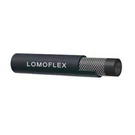
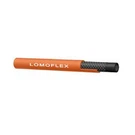


To keep your SAE100R1AT hydraulic hoses in top - notch condition, proper cleaning is essential. As a well - established SAE100R1AT supplier, I understand the significance of maintaining these hoses and am here to share a detailed guide on how to clean them effectively.
Understanding SAE100R1AT Hoses
Before delving into the cleaning process, it's important to know what SAE100R1AT hoses are. These are single wire braid hydraulic hoses designed to handle moderate pressures in a wide range of hydraulic systems. They are commonly used in construction, manufacturing, and agricultural equipment due to their flexibility and reliability.
Pre - cleaning Considerations
- Shut Down and Isolate the System
Before you start cleaning the SAE100R1AT hoses, ensure that the hydraulic system is completely shut down, and the power source is disconnected. Depressurize the system to avoid any potential spills or injuries during the cleaning process. - Inspect the Hoses
Take a close look at the hoses for any visible signs of damage such as cuts, abrasions, or leaks. If you notice significant damage, the hose may need to be replaced rather than just cleaned. - Gather the Necessary Supplies
You will need mild detergent, water, a soft - bristle brush, a clean cloth or towel, and in some cases, a specialized hydraulic cleaning solution. If the hoses are severely contaminated, a high - pressure water gun can also be useful.
Step - by - Step Cleaning Process
Surface Cleaning
- Rinse with Water
Begin by rinsing the hoses with clean water. This will remove loose dirt, dust, and debris from the surface. Use a garden hose or a low - pressure water source for this initial rinse. Make sure to cover the entire length of the hose, including the fittings. - Prepare the Cleaning Solution
In a large bucket, mix a small amount of mild detergent with water. The detergent should be gentle enough not to damage the hose material but strong enough to remove grease and oil stains. You can also use a specialized hydraulic cleaning solution, following the manufacturer's instructions regarding dilution. - Scrub the Hoses
Dip the soft - bristle brush into the cleaning solution and gently scrub the hoses. Start from one end and work your way to the other, paying special attention to areas that are heavily soiled. For stubborn stains, apply a bit more pressure, but be careful not to scratch the hose surface. - Rinse Again
After scrubbing, thoroughly rinse the hoses with clean water to remove all traces of the cleaning solution. Make sure no soap residue is left on the hoses, as it can attract more dirt over time.
Interior Cleaning (When Necessary)
- Disconnect the Hoses
If the hydraulic system allows for it, and you suspect that the interior of the hoses is contaminated, carefully disconnect the hoses from the system. This step should be done with caution, following proper safety procedures. - Flush the Hoses
Use a suitable flushing fluid, such as hydraulic oil or a recommended cleaning fluid. Connect a flushing pump to one end of the hose and allow the fluid to flow through the hose at a moderate pressure. This will help to remove any debris, sludge, or contaminants that may have accumulated inside the hose. - Repeat the Flush
Depending on the level of contamination, you may need to repeat the flushing process several times. Each time, use fresh flushing fluid to ensure thorough cleaning. - Reconnect the Hoses
Once the interior is clean, carefully reconnect the hoses to the hydraulic system, making sure all connections are secure.
Drying and Post - cleaning Inspection
- Dry the Hoses
Use a clean cloth or towel to wipe the hoses dry. If possible, allow the hoses to air - dry completely before reinstalling them in the system. This will prevent the growth of mold and mildew inside the hoses. - Inspect Again
After the hoses are dry, conduct a final inspection. Check for any remaining signs of dirt, damage, or leaks. Make sure the fittings are clean and in good condition.
Comparing with Other Hydraulic Hoses
While the cleaning process for SAE100R1AT hoses has been detailed above, it's interesting to note how it compares to other types of hydraulic hoses. For example, the Din En857 2sc is a double wire braid hydraulic hose. It may require a more thorough cleaning due to its higher pressure - handling capabilities and more complex structure.


The Sae100 R5 is a single wire spiral hydraulic hose. Its cleaning process is somewhat similar to SAE100R1AT, but the spiral design may need special attention to ensure the removal of all contaminants.
The Din En853 1sn is another single wire braid hose. Similar cleaning methods can be applied, but due to different construction materials and specifications, adjustments may be needed.
Importance of Regular Cleaning
Regular cleaning of SAE100R1AT hoses offers several benefits. Firstly, it extends the lifespan of the hoses by preventing the build - up of corrosive substances and contaminants that can weaken the hose material over time. Secondly, it helps to maintain the efficiency of the hydraulic system. Clean hoses reduce the risk of blockages and ensure smooth flow of hydraulic fluid, which in turn improves the overall performance of the equipment.
Contact for Purchase and Consultation
If you're in need of high - quality SAE100R1AT hoses or have any questions about cleaning, installation, or maintenance, don't hesitate to reach out. We are committed to providing the best products and services to meet your hydraulic hose needs. Whether you are a large - scale industrial manufacturer or a small - business owner, we have the right solution for you.
References
- Hydraulic Hose Handbook: A comprehensive guide to hydraulic hoses, their properties, and maintenance.
- Manufacturer's specifications for SAE100R1AT hydraulic hoses.