



As a reputable supplier of oxygen acetylene hoses, I understand the critical importance of maintaining these hoses in optimal condition. Regular cleaning of the inside of oxygen acetylene hoses not only ensures their efficient performance but also extends their lifespan and enhances safety during welding operations. In this blog post, I will share some practical and effective methods on how to clean the inside of oxygen acetylene hoses.
Why Cleaning Oxygen Acetylene Hoses is Necessary
Oxygen acetylene hoses are constantly exposed to various contaminants during their use. Over time, these contaminants can accumulate inside the hoses, leading to reduced gas flow, increased pressure drop, and potential safety hazards. For example, dust, debris, and moisture can clog the hoses, causing uneven gas distribution and affecting the quality of the welding process. Additionally, the presence of oil or grease in the oxygen hose can pose a serious fire or explosion risk, as oxygen supports combustion. Therefore, regular cleaning is essential to prevent these issues and maintain the integrity of the hoses.
Pre - cleaning Preparations
Before you start cleaning the oxygen acetylene hoses, it is crucial to take some necessary precautions. First, ensure that the hoses are disconnected from the oxygen and acetylene cylinders and the welding equipment. This will prevent any accidental release of gas during the cleaning process. Next, inspect the hoses for any visible signs of damage, such as cuts, abrasions, or bulges. If you find any damaged areas, it is recommended to replace the hoses immediately to avoid potential safety risks.
You will also need to gather the necessary cleaning supplies. These may include a cleaning solution specifically designed for oxygen acetylene hoses, a soft - bristled brush, a compressed air source, and clean, dry rags. Make sure to choose a cleaning solution that is compatible with the materials of the hoses and does not leave any residue that could contaminate the gas.
Step - by - Step Cleaning Process
Flushing with Compressed Air
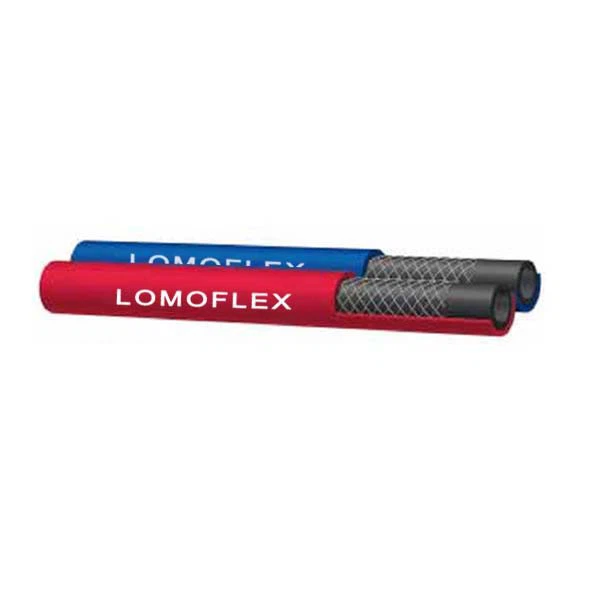
The first step in cleaning the inside of oxygen acetylene hoses is to flush them with compressed air. This will help to remove loose dust, debris, and moisture from the hoses. Connect the compressed air source to one end of the hose and cover the other end with a clean cloth to prevent the contaminants from blowing out directly. Slowly open the valve of the compressed air source and let the air flow through the hose for several minutes. You may need to flex the hose gently to dislodge any stubborn debris. Repeat this process for the other hose if you are using a twin - hose setup like the Twin Welding Hose.
Using a Cleaning Solution
After flushing with compressed air, it is time to use a cleaning solution to remove any remaining contaminants. Dilute the cleaning solution according to the manufacturer's instructions. Pour a small amount of the diluted cleaning solution into one end of the hose. You can use a funnel to make this process easier. Then, use a soft - bristled brush to gently scrub the inside of the hose. Be careful not to damage the inner lining of the hose. Move the brush back and forth along the length of the hose to ensure thorough cleaning.
Once you have scrubbed the hose, let the cleaning solution sit inside the hose for a few minutes to allow it to dissolve any stubborn contaminants. After that, drain the cleaning solution from the hose by holding the hose vertically with the open end down. You may need to squeeze the hose gently to help the solution flow out completely.
Rinsing with Water
After draining the cleaning solution, rinse the hose thoroughly with clean water. Connect a water source to one end of the hose and let the water flow through the hose for several minutes. Make sure to flush out all the remaining cleaning solution and contaminants. You can also use a compressed air source to blow out any excess water from the hose.
Drying the Hoses
Proper drying is crucial to prevent the growth of mold and mildew inside the hoses. Use clean, dry rags to wipe the outside of the hoses. Then, use a compressed air source to blow air through the hoses to remove any remaining moisture. You can also hang the hoses in a well - ventilated area to allow them to air - dry completely. Make sure the hoses are completely dry before reconnecting them to the cylinders and the welding equipment.
Special Considerations for Different Types of Contaminants
Oil and Grease
If the hoses are contaminated with oil or grease, it is especially important to take extra precautions. Oil and grease can react violently with oxygen, so it is essential to remove them completely. In addition to the regular cleaning process, you may need to use a degreasing agent that is safe for use with oxygen acetylene hoses. Follow the manufacturer's instructions carefully when using the degreasing agent. After cleaning, make sure to rinse the hoses thoroughly to remove any traces of the degreasing agent.

Rust and Corrosion
If the hoses show signs of rust or corrosion, you may need to use a rust - removing solution. However, be careful when using such solutions as they may damage the hoses if not used correctly. It is advisable to test the solution on a small, inconspicuous area of the hose first to ensure compatibility. After removing the rust, rinse the hoses thoroughly and dry them to prevent further corrosion.
Maintenance Tips for Long - Term Hose Performance
In addition to regular cleaning, proper maintenance is key to ensuring the long - term performance of oxygen acetylene hoses. Store the hoses in a cool, dry place away from direct sunlight and heat sources. Avoid bending or kinking the hoses during storage or use, as this can damage the inner lining and reduce the gas flow. Inspect the hoses regularly for any signs of wear and tear, and replace them as needed.
If you are using hoses in harsh environments, such as in construction sites or industrial settings, you may need to clean them more frequently. Also, consider using protective covers or sleeves to prevent damage to the hoses from abrasion, cuts, and other physical damage.
Conclusion
Cleaning the inside of oxygen acetylene hoses is a vital part of maintaining their performance and safety. By following the steps outlined in this blog post, you can effectively remove contaminants from the hoses and ensure their long - term reliability. As a supplier of high - quality oxygen acetylene hoses, we are committed to providing you with the best products and support. If you have any questions about hose cleaning, maintenance, or if you are interested in purchasing our products such as Twin Welding Hose, Fuel Oil Hose, or Rubber Air Hose, please feel free to contact us for further discussion and procurement negotiation.
References
- Welding Safety Standards and Guidelines, National Fire Protection Association
- Oxygen Acetylene Hose Manufacturer's Manuals