

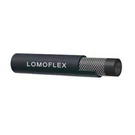
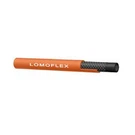


Hey there! As a supplier of oxygen acetylene hoses, I've seen my fair share of hoses in different conditions. Figuring out when it's time to replace an oxygen acetylene hose is super important for safety and efficiency. So, let's dive into how you can tell if your hose needs to be swapped out.
Visual Inspection
The first and easiest way to check your oxygen acetylene hose is through a visual inspection. Start by looking at the outer surface of the hose. If you see any cracks, cuts, or abrasions, that's a big red flag. Cracks can be caused by a bunch of things like exposure to sunlight, extreme temperatures, or rough handling. Even small cracks can lead to gas leaks over time, which is a major safety hazard.
For example, if you notice a crack on the side of the hose, it might seem minor at first, but those tiny openings can allow oxygen or acetylene to escape. And we all know that oxygen and acetylene are highly flammable gases, so any leak is a serious deal.
Another thing to look for is wear and tear. If the hose has been in use for a long time, you might notice that the outer layer is starting to look worn down. This can happen in areas where the hose rubs against other objects or is constantly bent. If the wear is severe enough, it can weaken the hose and make it more likely to fail.
Also, check for any signs of swelling or bulging. A swollen hose could indicate that there's a problem with the internal structure. It might be due to a blockage or a chemical reaction inside the hose. Swelling can cause the hose to burst under pressure, which is extremely dangerous.
Flexibility and Stiffness
The flexibility of the hose is another important factor. A good oxygen acetylene hose should be flexible enough to bend without kinking. If you try to bend the hose and it feels stiff or brittle, that's a sign that it might be time for a replacement.
Over time, the rubber in the hose can break down, especially if it's exposed to harsh chemicals or extreme temperatures. This breakdown can cause the hose to lose its flexibility. When a hose is stiff, it's more likely to crack or break when you try to move it around.
On the other hand, if the hose is too flexible and seems to have lost its shape, that's also a problem. It could mean that the internal reinforcement has been damaged, and the hose might not be able to withstand the pressure.
Connection Points
Don't forget to check the connection points of the hose. The fittings at the ends of the hose are crucial for a secure and leak - free connection. Look for any signs of corrosion or damage on the fittings. Corrosion can make the fittings loose, which can lead to gas leaks.
If the fittings are damaged, it's important to replace them right away. Sometimes, you might be able to replace just the fitting without having to replace the entire hose. But if the damage is severe, it's better to replace the whole thing to ensure safety.
Also, make sure that the connections are tight. A loose connection can cause gas to escape, and it can also affect the performance of your welding equipment. You can use a wrench to tighten the connections, but be careful not to over - tighten them, as this can damage the fittings.
Pressure Testing
Pressure testing is a more advanced way to determine if your oxygen acetylene hose is still in good condition. You can use a pressure gauge to check the pressure inside the hose. If the pressure drops quickly, it could mean that there's a leak somewhere in the hose.
However, pressure testing should be done carefully. You need to make sure that you're using the right equipment and following the proper safety procedures. If you're not comfortable doing it yourself, it's best to have a professional do it for you.
Chemical Compatibility
Oxygen and acetylene are reactive gases, and the hose needs to be compatible with them. If the hose has been exposed to chemicals that it's not designed to handle, it can cause damage. For example, some solvents can break down the rubber in the hose.
If you suspect that the hose has been exposed to incompatible chemicals, it's a good idea to replace it. Using a hose that's been damaged by chemicals can be extremely dangerous, as it can lead to gas leaks and even explosions.
Age of the Hose
The age of the hose is also an important consideration. Even if the hose looks okay on the outside, it might still be time to replace it if it's been in use for a long time. Most manufacturers recommend replacing oxygen acetylene hoses every few years, depending on the usage and conditions.
Over time, the materials in the hose will naturally degrade. Even if you take good care of the hose, the constant exposure to oxygen, acetylene, and other elements will eventually wear it down.
Why Replacement Matters
Replacing a worn - out oxygen acetylene hose is not just about safety. It can also improve the performance of your welding equipment. A new hose will provide a more consistent flow of gas, which can lead to better welds.


If you're using a hose that's on its last legs, you might notice that the flame is unstable or that the welding process is not as efficient. By replacing the hose, you can ensure that your equipment is working at its best.
Other Related Hoses
If you're in the market for hoses, you might also be interested in Lpg Hose, Rubber Water Hose, or Twin Welding Hose. These hoses have different applications, but the principles of inspection and replacement are similar.
Contact for Purchase
If you think it's time to replace your oxygen acetylene hose or you're interested in any of our other hoses, don't hesitate to reach out. We're here to help you find the right hose for your needs. Whether you're a professional welder or a DIY enthusiast, we've got the products and expertise to keep you safe and productive.
References
- Welding Safety Standards Handbook
- Industrial Hose Manufacturer's Guides
- Safety Guidelines for Oxygen and Acetylene Usage