

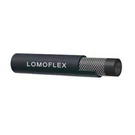



Are there any regulations regarding the use of rubber air hoses?
As a supplier of rubber air hoses, I often encounter inquiries from customers about the regulations surrounding the use of these essential industrial components. Rubber air hoses are widely used in various industries, including manufacturing, construction, automotive, and agriculture, to convey compressed air for a multitude of applications. Understanding the regulations governing their use is crucial for ensuring safety, compliance, and optimal performance.
International and National Standards
On an international level, the International Organization for Standardization (ISO) has developed a series of standards related to rubber hoses, including those for air applications. ISO 2398 specifies the requirements for rubber hoses and hose assemblies for compressed air, covering aspects such as dimensions, performance, and marking. These standards provide a common framework for manufacturers, ensuring that rubber air hoses meet a certain level of quality and safety across different countries.
In the United States, the Occupational Safety and Health Administration (OSHA) has established regulations to protect workers from hazards associated with the use of compressed air systems, including rubber air hoses. OSHA's standards require employers to ensure that hoses are in good condition, free from defects, and properly maintained. For example, hoses must be inspected regularly for signs of wear, damage, or leakage, and any defective hoses must be replaced immediately.
Pressure and Temperature Ratings
One of the most critical aspects of using rubber air hoses safely is adhering to their pressure and temperature ratings. Each hose is designed to operate within specific pressure and temperature limits, and exceeding these limits can lead to hose failure, which may result in serious injuries or property damage.
The pressure rating of a rubber air hose indicates the maximum pressure it can safely withstand. This rating is typically marked on the hose itself, along with other important information such as the manufacturer's name, size, and date of manufacture. It is essential to select a hose with a pressure rating that is appropriate for the intended application. For example, if you are using a hose in a high-pressure pneumatic system, you will need a hose with a higher pressure rating.
Similarly, the temperature rating of a rubber air hose specifies the range of temperatures within which the hose can operate safely. Extreme temperatures can affect the performance and durability of the hose, causing it to become brittle or soft. When selecting a hose, consider the ambient temperature of the operating environment, as well as any potential heat sources or cold conditions that the hose may be exposed to.
Hose Selection and Installation
Proper hose selection and installation are also crucial for ensuring compliance with regulations and preventing accidents. When choosing a rubber air hose, consider factors such as the application, the type of compressed air system, the required length and diameter of the hose, and the environmental conditions.
It is important to use hoses that are specifically designed for air applications and are compatible with the type of compressed air being used. For example, some hoses are designed for use with oil-free compressed air, while others can tolerate the presence of oil. Using the wrong type of hose can lead to contamination of the compressed air system and may also affect the performance and lifespan of the hose.
During installation, ensure that the hose is properly connected to the compressed air system using the appropriate fittings and couplings. Make sure that the connections are tight and secure to prevent air leakage. Additionally, avoid bending or kinking the hose, as this can restrict the flow of air and increase the risk of hose failure.
Maintenance and Inspection
Regular maintenance and inspection of rubber air hoses are essential for ensuring their continued safe and reliable operation. As mentioned earlier, OSHA requires employers to conduct regular inspections of hoses to identify any signs of wear, damage, or leakage.


Inspections should include a visual examination of the hose for cuts, abrasions, bulges, or other signs of damage. Check the fittings and couplings for tightness and any signs of corrosion or wear. Additionally, perform a pressure test on the hose to ensure that it is holding pressure properly.
If any defects are found during the inspection, the hose should be repaired or replaced immediately. Minor repairs, such as patching a small hole or replacing a damaged fitting, can sometimes be done in-house. However, for more significant damage, it is recommended to replace the entire hose to ensure safety.
Industry-Specific Regulations
In addition to the general regulations and standards mentioned above, some industries may have specific regulations regarding the use of rubber air hoses. For example, in the food and beverage industry, hoses used for conveying compressed air must meet strict hygiene and safety standards to prevent contamination of the products.
Similarly, in the automotive industry, hoses used in pneumatic systems must be able to withstand the high temperatures and pressures associated with engine operation. These hoses may also need to be resistant to oil, fuel, and other chemicals commonly found in automotive environments.
Our Product Range
At our company, we offer a wide range of high-quality Rubber Air Hose that are designed to meet the diverse needs of our customers. Our hoses are manufactured in accordance with international standards and are tested to ensure their performance and reliability.
In addition to our standard rubber air hoses, we also offer specialized hoses for specific applications, such as Lpg Hose and Fuel Oil Hose. These hoses are designed to withstand the unique challenges associated with handling liquefied petroleum gas (LPG) and fuel oil, respectively.
Conclusion
In conclusion, there are indeed regulations regarding the use of rubber air hoses, both at the international and national levels. These regulations are in place to ensure the safety of workers, protect the environment, and prevent property damage. As a supplier of rubber air hoses, we are committed to providing our customers with high-quality products that meet or exceed these regulations.
If you have any questions about the regulations regarding the use of rubber air hoses or need assistance in selecting the right hose for your application, please do not hesitate to contact us. Our team of experts is always ready to help you find the best solution for your needs. We look forward to the opportunity to work with you and provide you with the highest level of service and support.
References
- International Organization for Standardization (ISO). (Year). ISO 2398: Rubber hoses and hose assemblies for compressed air - Specification.
- Occupational Safety and Health Administration (OSHA). (Year). Standards for compressed air systems.