

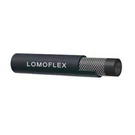
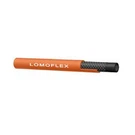


Hey there! As a supplier of rubber air hoses, I know firsthand how crucial it is to ensure a tight seal when connecting these hoses. A leaky connection can lead to all sorts of problems, from reduced efficiency to safety hazards. In this blog post, I'm gonna share some tips and tricks on how to achieve that perfect, airtight seal every time.
Understanding the Basics of Rubber Air Hoses
Before we dive into the sealing techniques, let's take a quick look at what rubber air hoses are and why they're so popular. Rubber air hoses are flexible tubes made from natural or synthetic rubber compounds. They're used in a wide range of applications, from industrial machinery to automotive systems, to transfer compressed air from one place to another.
One of the key advantages of rubber air hoses is their flexibility, which allows them to be easily routed around obstacles and connected to different types of equipment. They're also resistant to abrasion, chemicals, and extreme temperatures, making them suitable for use in harsh environments.
If you're in the market for a rubber air hose, check out our Rubber Air Hose selection. We offer a variety of sizes and configurations to meet your specific needs.
Preparing the Hoses and Fittings
The first step in ensuring a tight seal is to properly prepare the hoses and fittings. Here's what you need to do:
Clean the Hoses and Fittings
Before connecting the hoses, make sure they're clean and free of dirt, debris, and oil. Use a clean cloth or a mild detergent to wipe down the surfaces of the hoses and fittings. This will help to remove any contaminants that could prevent a proper seal.
Inspect the Hoses and Fittings
Check the hoses and fittings for any signs of damage, such as cracks, cuts, or worn-out threads. If you notice any damage, replace the damaged parts before proceeding. Using damaged hoses or fittings can lead to leaks and other problems.
Lubricate the Fittings
Applying a small amount of lubricant to the fittings can help to make the connection easier and more secure. Use a lubricant that's compatible with the rubber material of the hoses. Avoid using petroleum-based lubricants, as they can damage the rubber.
Choosing the Right Fittings
The type of fittings you use can have a big impact on the quality of the seal. Here are some things to consider when choosing fittings:
Size and Compatibility
Make sure the fittings are the right size and type for your hoses. Using fittings that are too small or too large can result in a loose or leaking connection. Check the specifications of your hoses and fittings to ensure compatibility.
Quality and Durability
Invest in high-quality fittings that are made from durable materials. Look for fittings that are corrosion-resistant and have a tight seal. Cheap or low-quality fittings may not provide a reliable seal and may need to be replaced more frequently.
Type of Connection
There are several types of connections available for rubber air hoses, including threaded connections, quick-connect fittings, and barbed fittings. Choose the type of connection that's best suited for your application. For example, quick-connect fittings are ideal for applications where you need to make frequent connections and disconnections, while threaded connections are more suitable for permanent installations.
Making the Connection
Once you've prepared the hoses and fittings and chosen the right type of connection, it's time to make the connection. Here's how:
Threaded Connections
If you're using threaded connections, make sure the threads are clean and free of debris. Apply a small amount of thread sealant to the male threads to help prevent leaks. Then, screw the fittings onto the hoses by hand until they're snug. Use a wrench to tighten the fittings further, but be careful not to over-tighten them, as this can damage the threads or the hoses.
Quick-Connect Fittings
Quick-connect fittings are easy to use and can be connected and disconnected quickly. To connect a quick-connect fitting, simply insert the hose into the fitting until it clicks into place. Make sure the connection is secure by pulling on the hose gently.
Barbed Fittings
Barbed fittings are commonly used for low-pressure applications. To connect a barbed fitting, slide the hose onto the barbs until it's fully seated. Use a hose clamp to secure the hose to the fitting. Make sure the clamp is tightened securely, but not so tight that it damages the hose.
Testing the Seal
After making the connection, it's important to test the seal to make sure there are no leaks. Here's how:
Pressure Test
If you have a pressure gauge, you can perform a pressure test to check for leaks. Connect the pressure gauge to the hose and apply pressure to the system. Monitor the pressure gauge for any drops in pressure, which could indicate a leak. If you notice a drop in pressure, check the connection for leaks and make any necessary adjustments.
Soap Bubble Test
Another way to test for leaks is to use the soap bubble test. Mix a small amount of soap and water in a spray bottle. Spray the soapy water onto the connection and look for bubbles. If you see bubbles, it means there's a leak. Tighten the connection or make any necessary repairs to fix the leak.
Maintaining the Seal
Once you've achieved a tight seal, it's important to maintain it over time. Here are some tips for maintaining the seal:
Regular Inspections
Inspect the hoses and fittings regularly for any signs of wear or damage. Look for cracks, cuts, or leaks, and replace any damaged parts immediately.
Proper Storage
When not in use, store the hoses and fittings in a cool, dry place. Avoid exposing them to direct sunlight, heat, or chemicals, as these can damage the rubber and affect the quality of the seal.
Avoid Over-Bending
Avoid over-bending the hoses, as this can cause the rubber to crack or split. Make sure the hoses are routed in a way that allows for proper flexibility and movement.
Conclusion
Ensuring a tight seal when connecting a rubber air hose is essential for the proper functioning of your system. By following the tips and techniques outlined in this blog post, you can achieve a reliable and leak-free connection every time.
If you have any questions or need help choosing the right rubber air hoses or fittings for your application, don't hesitate to contact us. We're here to help you find the best solutions for your needs.
Thanks for reading!


References
- "Rubber Hoses: A Guide to Selection and Use." Industrial Hose Association.
- "How to Connect and Seal Rubber Hoses." DIY Home Improvement Magazine.